In Bloom by Nirvana Lyrics Meaning – Delving Deep into the Grunge Anthem’s Poetic Psyche
Lyrics
Spring is here again, reproductive glands
He’s the one who likes all our pretty songs
And he likes to sing along, and he likes to shoot his gun
But he knows not what it means, knows not what it means
And I say, he’s the one who likes all our pretty songs
And he likes to sing along, and he likes to shoot his gun
But he knows not what it mean, knows not what it means
And I say, yeah
Mmm
Mmm
Mmm
We can have some more, nature is a whore
Bruises on the fruit, tender age in bloom
He’s the one who likes all our pretty songs
And he likes to sing along, and he likes to shoot his gun
But he knows not what it means, knows not what it means
And I say, he’s the one who likes all our pretty songs
And he likes to sing along, and he likes to shoot his gun
But he knows not what it means, knows not what it means
And I say, yeah
Mmm
Mmm
Mmm
He’s the one who likes all our pretty songs
And he likes to sing along, and he likes to shoot his gun
But he knows not what it means, knows not what it means
And I say, he’s the one who likes all our pretty songs
And he likes to sing along, and he likes to shoot his gun
But he knows not what it means, knows not what it means
Knows not what it means, knows not what it means
And I say, yeah
Mmm
Mmm
Mmm
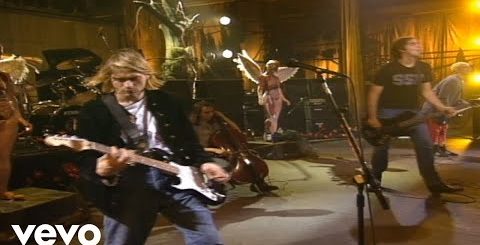
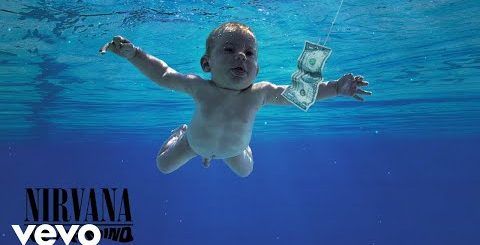
Nirvana’s ‘In Bloom’ is a song that shakes the foundations of what we might consider the allure of grunge music. The early ’90s saw the rise of this genre, marked by its raw sound and introspective lyrics, and Nirvana was at the forefront of this revolution. Their song ‘In Bloom’ from the iconic album ‘Nevermind’ encapsulates not just this era’s sonic essence but also serves as a critique of its zeitgeist.
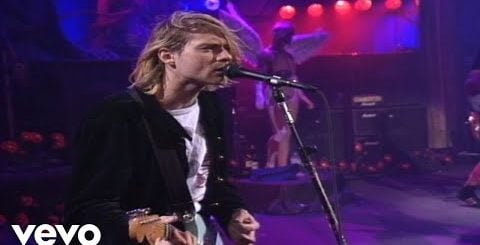
Kurt Cobain, the enigmatic frontman, was known for embedding layers of meaning into apparently simple lyrics. ‘In Bloom’ speaks with a quiet violence, a subtle revelation of the complex relationship between the artist, their creation, and their audience. Below, we unravel the threads that compose the fabric of this grunge masterpiece.
The Duality of Spring: Growth and Decay in a Single Breath
The striking opening lines highlight a stark dichotomy: ‘Sell the kids for food, weather changes moods / Spring is here again, reproductive glands.’ These words paint a picture of renewal and reproduction, typical of spring, but there’s an immediate tension with the idea of selling children—something fresh and promising—for sustenance, suggesting a darker aspect to this supposed renewal.
Cobain juxtaposes the natural, cyclical appearance of spring with the morbid implications of consumption, perhaps informing us about the music industry, where young talents are often exploited, their fresh creativity and innocence ‘sold’ for capitalistic gain. This metaphor sets the tone for the scrutiny that’s to follow.
The Casual Listener: Engaging Without Understanding
At the heart of ‘In Bloom’ is the chorus, focusing on the ‘one’ who enjoys the band’s music without truly grasping its depth or meaning: ‘He’s the one who likes all our pretty songs / And he likes to sing along, and he likes to shoot his gun / But he knows not what it means.’ Cobain’s repetition of this stanza throughout the song amplifies this central theme of disconnection and highlights a sense of frustration.
The ‘he’ in the song has been interpreted by some as a representation of fairweather fans or those who superficially attach themselves to a subculture. These lyrics subtly chastise the listener who can appreciate only the melody, rhythm, or ‘cool factor’ of the music, without engaging with its emotional or intellectual core.
Sonic Metaphors: When Nature Echoes Humanity
The line ‘We can have some more, nature is a whore’ is a brusque metaphor, equating the exploitation of natural resources to the commodification of intimacy. Cobain draws a parallel to society’s insatiable appetite, particularly the music industry’s practice of milking artists dry, squeezing every ounce of marketable substance from their work.
The mention of ‘Bruises on the fruit, tender age in bloom’ continues this theme, reflecting how young, vulnerable individuals are often left bruised by their experiences in the ruthless entertainment industry. The phrase ‘tender age in bloom’ simultaneously evokes a sense of potential that is vulnerable to the ravages of external forces.
A Chorus That Echoes Through Generations
The simplicity and catchiness of the chorus make ‘In Bloom’ memorable, but these attributes mask the biting commentary hidden within. The words ‘And I say, yeah’ punctuate these sentiments, perhaps an affirmation or resignation to the reality laid bare through the lyrics.
Cobain, who often grappled with the pressure of his growing fame and the misunderstanding of his work, uses ‘In Bloom’ as a canvas to express the conflict of wanting his music to be heard while apprehending the shallowness with which it might be received. This interplay between music and lyrics is what gives ‘In Bloom’ a timeless resonance.
Unearthing the Hidden Meanings Within Repetition and Melody
Nirvana’s ‘In Bloom’ is as much about the instrumental energy as it is about the lyrics. Cobain’s voice, the distinctive guitar work, and the steady percussion create an atmosphere of haunting resonance. The seeming repetition of lyrics and melody is deliberate, urging listeners to look deeper into the significance of each verse.
The lines ‘But he knows not what it means, knows not what it means’ are delivered with a sense of weariness, almost surrender, underscoring the disconnect between artist and audience. These repeated refrains become a rallying cry for those yearning for genuine connection and understanding beyond the superficial consumption of art.