Motion Picture Soundtrack by Radiohead Lyrics Meaning – Unveiling the Layers of Heartache and Redemption
Lyrics
Help me get back to your arms
Cheap sex and sad films
Help me get where I belong
I think you’re crazy, maybe
I think you’re crazy, maybe
Stop sending letters
Letters always get burned
It’s not like the movies
They fed us on little white lies
I think you’re crazy, maybe
I think you’re crazy, maybe
I will see you in the next life
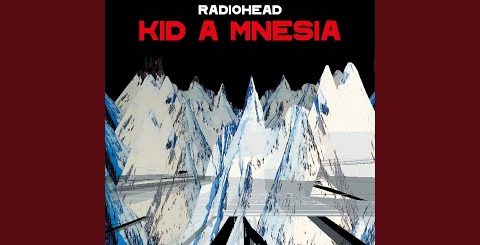
Radiohead’s ‘Motion Picture Soundtrack’ closes their epochal album ‘Kid A’ with a hauntingly delicate farewell. At first glance, the track may come across as a somber ballad, but its layered composition folds into a tight embrace of sorrow and the elusive promise of solace. The lyrics, minimal yet poignant, serve as brushstrokes of longing and resignation painted against an ethereal sonic canvas.
As Thom Yorke’s voice drifts through the verses, the harp accompanies the melody, sketching a cinematic soundscape that gently alludes to our deepest experiences of loss and yearning. There’s an intimate grandeur in this song, one that extends an invitation to listeners to dissect and absorb its profound understanding of human emotion.
A Red Wine Elixir for the Soul: Dissecting Escapism
Starting with a potent concoction of ‘Red wine and sleeping pills,’ the song immerses us in the protagonist’s attempt to bridge the gap between emotional turmoil and a fleeting sense of peace. These substances act as a temporary remedy, an escape from the haunting void left by a departed lover. It’s this raw honesty about escapism – using vivid dependencies to stitch up the heart – that makes the verse emblematic of the human condition.
Cheap thrills and B-grade entertainment follow suit in the attempt to numb the pain, invoking the shadowy corners of the human psyche where we all hope to hide, to find reprieve. Yet, there’s an underlying irony here that Radiohead uncovers; these artificial aids are no real substitute for genuine connection – they’re just another scene in a life that feels too much like fiction.
Caught in the Reel: The Allure of the Unreal
‘It’s not like the movies,’ Thom Yorke croons, a penetrating line that encapsulates the album’s critique on artifice and society’s mass consumption of fiction. The romanticization of life through silver screen narratives sets expectations unrealistically high. Radiohead’s lyrics strip this illusion, deconstructing the ‘little white lies’ we’ve been fed – the tropes that dictate how love and loss should look and feel.
The sentiment echoes through time, a reminder that the human experience cannot be scripted, edited, and re-shot. There’s no studio magic in the real world; pain and disillusionment don’t fade out with the closing credits. In articulating this, Radiohead crafts a paradox where the song itself becomes a motion picture soundtrack to the authentic stories we live.
The Epistle of Estrangement – Why Letters Get Burned
Communication with the absent other turns futile in ‘Stop sending letters,’ a futile grasp at connection ultimately abandoned. The ritual of writing as catharsis transforms into a pyre — letters become kindling for the fire of one’s unrequited or lost love. There’s a mournful recognition in the act of burning letters, acknowledging the cessation of dialogue, the finales of relationships.
And yet, even as the verses beautifully depict this abandonment, they invite a discourse on how we often cling to the ashy remnants of what was. Radiohead’s treatment of the sentiment is both a bald representation of despair and a resilient assertion that some bonds, no matter how strained or broken, linger through the embers.
Unearthed Sincerity: The Hidden Meaning Behind ‘I Think You’re Crazy, Maybe’
The repeating lines, ‘I think you’re crazy, maybe,’ serve a dual purpose. On one hand, they appear as a speculation of the other’s mental state, a reflection on the irrational behaviors brought on by love. On the other, they could be read as the internal musings of the singer – a self-directed thought that ponders over their own sanity within the confines of heartbreak.
The ambiguous ‘maybe’ softens the statement, adding layers of uncertainty — it’s not an accusation but a musing, a possibility that can neither be confirmed nor denied. This interplay of sincerity and sanity, where madness is synonymous with the intensity of feeling, reveals an intricate depth within the song’s brief lyricism.
In Promise of Tomorrow: ‘I Will See You in the Next Life’
The cathartic climax of the soundtrack arrives in the form of a serene afterthought, ‘I will see you in the next life.’ It’s a line that resonates with listeners, echoing through the silence that follows. Radiohead touches upon spirituality and transcendence without tipping into dogma. This isn’t mere religiosity; it’s the existential hope that there’s another chance beyond this life to find what’s been lost.
More than a suggestion of reincarnation or afterlife, it’s a parting gesture, a heartfelt bookmark placed in a narrative paused too soon. This assurance – whether it’s a metaphor for recovery, an alternative path, or a literal belief in a beyond – acts as a balm. In embracing this bittersweet departure, Radiohead offers up a universal solace: the continuum of connection, of love that extends beyond the final note.