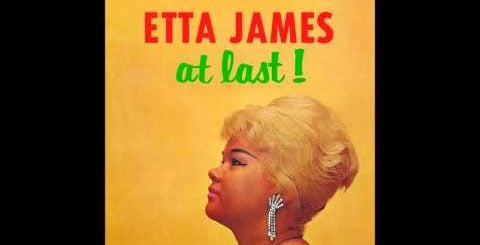
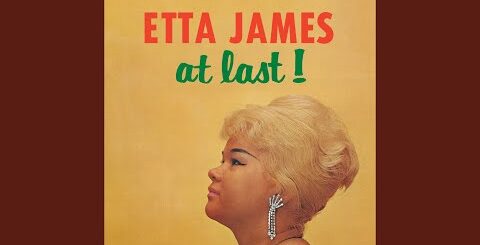
At Last by Etta James Lyrics Meaning – Unveiling the Soul of a Timeless Love Anthem
Lyrics
My love has come along
My lonely days are over
And life is like a song
Oh yeah, yeah
At last
The skies above are blue
My heart was wrapped up in clover
The night I looked at you
I found a dream
That I could speak to
A dream that I can call my own
I found a thrill
To press my cheek to
A thrill that I’ve never known
Oh yeah, yeah
You smiled, you smiled
Oh and then the spell was cast
And here we are in Heaven
For you are mine
At last
Etta James’s ‘At Last’ is not merely a song, it’s the embodiment of love’s triumphant arrival, the epitome of a soulful anthem that has serenaded countless hearts since its release. This classic track is much more than its melody and lyrics; it’s a beacon for the lovesick and a testament to the enduring quest for romantic fulfillment.
Within the song’s sultry sway lies an ocean of emotion, each wave a note, each current a word, all converging into a story that resonates on a universal frequency. ‘At Last’ is a narrative of love’s timeless journey, and unraveling its meanings provides a deeper appreciation for its place in the pantheon of classic love ballads.
A Sonic Bloom: The Song’s Evolution and Impact
First penned in 1941, but immortalized by Etta James in 1960, ‘At Last’ has journeyed through time, capturing the essence of love across generations. The song’s adaptation by James transformed it from a gentle tune into a powerful soul hit, its emotional depth amplified by her unmatched vocal prowess.
James breathed life into the lyrics, making each word throb with a fervor that spoke to the hearts of the hopeful. The vibrato of her voice still echoes in the halls of love’s greatest moments, making ‘At Last’ an indispensable soundtrack for weddings, slow dances, and the tender embraces of lovebirds everywhere.
Breaking Down the Barriers: At Last’s Crossover Appeal
At a time when music was stratified by race and relegated to defined genres, ‘At Last’ soared over these boundaries and resonated with people from all walks of life. Etta James’s rendition challenged the status quo, proving that soul music could captivate a mainstream audience hungry for authenticity and passion.
Its appeal lay in its ability to capture a universal feeling, the allure of love achieved, a concept anyone, regardless of background, could understand and desire. It’s this accessibility that has enabled ‘At Last’ to endure, preserving its place as a timeless anthem, coveted and covered by artists across genres.
Loneliness to Euphoria: The Emotional Odyssey in ‘At Last’
The song’s opening lines ‘At last, my love has come along; My lonely days are over’ encapsulate a migration from solitude to bliss. Etta James’s own life, marked by a search for stability and affection, mirrors the lyrics’ transition from longing to finding a home in another’s heart.
This emotional odyssey is universally relatable, a sentiment that has allowed ‘At Last’ to transcend its era and become an evergreen beacon of hope for anyone who has yearned for that ultimate emotional connection. Its portrayal of serenity in union captures the zenith of the human experience—true love.
Heavenly Imagery and the Hidden Meaning of Serendipity
An analysis of ‘The skies above are blue’ and ‘You smiled, and then the spell was cast’ suggests more than just the bliss of love. It hints at the serendipitous nature of love, the serenity found when two souls destined to intertwine finally align. It’s the musical incarnation of that magical moment when everything falls into place.
James’s declaration of finding a ‘dream that I can call my own’ adds a personalized depth to the song—each listener can attach their own dream, their own narrative of love fulfilled, to the lyrics. Therein lies the song’s hidden meaning: the universality of seeking and eventually grasitating that elusive, yet perfect fit of romantic destiny.
Echoes That Resonate: The Song’s Most Memorable Lines
‘You smiled, you smiled, oh and then the spell was cast’—this line is a bolt of lightning that captures the instant of unfurling affection. This memorable moment encapsulated in song is but a split second in time, magnified to eternity, a testament to the song’s emotive leverage.
‘For you are mine at last’ serves as the coup de grâce, the soaring refrain that signifies more than just a conclusion; it’s the song’s climax and the listener’s catharsis. It’s the sweet release after a crescendo of yearning, and perhaps the most powerful demonstration of the song’s thesis: in love, the end is just as beautiful as the journey.