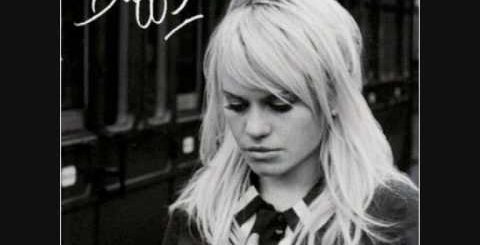
Warwick Avenue by Duffy Lyrics Meaning – Unveiling Heartache on a London Track
Lyrics
Meet me by the entrance of the tube
We can talk things over a little time
promise me you won’t step by the line
When I get to Warwick Avenue
Please drop the past and be true
Don’t think we’re OK just because I’m here
You hurt me bad but I won’t shed a tear
I’m leaving you for the last time baby
You think you’re loving but you don’t love me
I’ve been confused outta’ my mind lately
You think you’re loving but I want to be free
Baby you’ve hurt me
When I get to Warwick Avenue oh
We’ll spend an hour but no more than two
Our only chance to speak once more
I showed you the answers now here’s the door
When I get to Warwick Avenue
I’ll tell you baby, that we’re through
I’m leaving you for the last time baby
You think you’re loving but you don’t love me
I’ve been confused outta my mind lately
You think you’re loving but you don’t love me
I want to be free, baby you’ve hurt me
All the days spent together, I wish for better
But I didn’t want the train to come, now it’s departed
I’m broken hearted, seems like we never started
All those things here together, when I wished for better
And I didn’t want the train to come
You think you’re loving, but you don’t love me
I want to be free
Baby, you’ve hurt me, you don’t love me
I want to be free, baby you’ve heard me
In the realm of soulful ballads, Duffy’s ‘Warwick Avenue’ emerges as a poignant anthem of personal liberation entangled in the throes of emotional turmoil. The track, a single from her 2008 debut album ‘Rockferry,’ doesn’t just resonate; it embodies the spirit of a haunting journey towards self-recovery.
With an almost cinematic quality, the song cradles listeners through Duffy’s evocative storytelling, painted against the backdrop of a London underground station. As we sift through the layers of this artistic expression, let’s unfold the profound narrative encapsulated within each verse, chorus, and stirring inflection of Duffy’s emotive performance.
From the Underground Depths: A Love Story’s Swansong
The genius of ‘Warwick Avenue’ lies in its quintessential breakup setting. Duffy doesn’t just sing about heartbreak; she situates us on the platform of a definitive moment. It’s a tale of an ending foretold, not amidst the chaos of a lover’s quarrel but in the poignant calm of a last meeting at an ordinary place — a tube station.
The beauty of this chosen location is its public anonymity. Warwich Avenue, a functional spot in the rush of London life, becomes an unexpected stage for heartache. By descriptively pulling us to a specific geographic point, Duffy creates a vivid parallel to the inevitable juncture in a relationship — the moment of departure. It’s about hitting a dead end and finding the courage to say it’s over.
Time’s Cruel Bargain: An Hour, No More, No Less
There’s an unspoken brutality in the temporality of Duffy’s ultimatum. ‘We’ll spend an hour but no more than two,’ she decrees with a mixture of resignation and resolve. It’s as if she’s quantifying the end, allocating just enough time for closure, but not a second more to indulge in reminiscence.
This artificial timeframe isn’t just about the physical encounter; it’s a metaphor for the relationship itself. One might argue that the duration symbolizes its transient nature, and the sessions of hope spent fruitlessly trying to mend what’s broken. Time, as we see, becomes another casualty in the battle of love.
The Bittersweet Symphony of Unrequited Love
‘You think you’re loving, but you don’t love me,’ Duffy croons, capturing the essence of unrequited love with heartbreaking clarity. Here lies the song’s clenched fist—the devastating realization that affection, as perceived by her partner, is a mere shadow of what she yearns for.
The lyrics mirror the struggle of being trapped in a facade, where one’s understanding of love is starkly misaligned with their partner’s. It is about the internal conflict of walking away from love that once brought solace and now serves as an empty shell of what was promised.
Echoes of Resilience: Wishing for Better, Settling for None
Despite the lonesome narrative, ‘Warwick Avenue’ resonates a certain strength. Duffy doesn’t just lament the love lost but also underlines the hope that once sustained her. ‘All the days spent together, I wish for better,’ these lyrics echo a stand against settling, against enduring the dysfunctional.
This refusal to succumb to mediocrity in love signifies a turning point—the embrace of self-worth over the comfort of familiarity. It’s a painful yet empowering decision to abandon the tracks laid down by another and embark on a solitary journey unbound by the whims of a wayward lover.
Peeling Back the Layers: The Hidden Meaning Behind Sunsets and Parting Trains
Beyond its initial heartbreak veneer, ‘Warwick Avenue’ is inherently a song about emancipation. Duffy’s repeated assertions of wanting to ‘be free’ are a declaration of independence not just from a failing relationship, but also from the expectations and limitations placed upon her.
In every refrain of ‘Baby, you’ve hurt me,’ there is a subtext of growth through pain. The track, in its veiled complexity, elicits a sense of optimism. While the train at Warwick Avenue signifies the end of her romantic journey, it also marks the start of self-discovery—a ride towards the sunrise of her own narrative.