Spiderhead by Cage the Elephant Lyrics Meaning – Unraveling the Web of Intrigue
Lyrics
(Say you wanted to)
You are the bullet in my head
(Ah)
And as you stand over my grave
(Tell me it’s okay)
You’ll pause the lips upon my face
(Ah)
Either I’m in heaven, or I’m in hell
Am I losing my mind, yeah
(Cause I can’t tell)
I’ve been waiting for answers for way too long
Seems I’m always waiting around
Spiders in my head, spiders in my mind
You may take my eyes, but baby I’m not blind
It all works out all right
You know I’m gonna be all right
You may take my eyes, but baby I’m not blind
I think your mother wants me dead
(Say you wanted to)
I am a schizophrenic man
(Ah)
I wouldn’t change you if I could
(Say you wanted to)
Treat me good I’ll play it cool
Spiders in my head, spiders in my mind
You may take my eyes, but baby I’m not blind
It all works out all right
You know I’m gonna be all right
You may take my eyes, but baby I’m not blind
Spiders in my head, spiders in my mind
You may take my eyes, but baby I’m not blind
It all works out all right
You know I’m gonna be all right
You may take my eyes, but baby I’m not blind
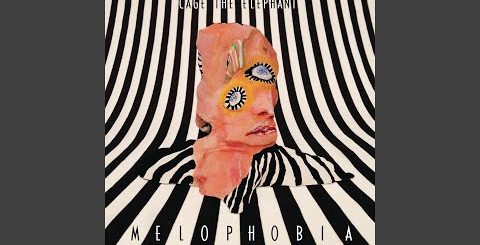
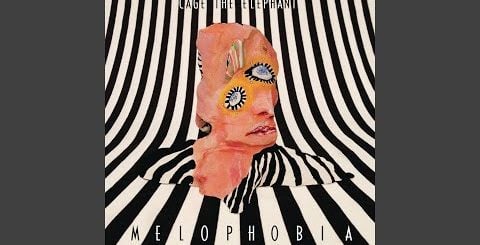
Cage the Elephant, known for their indomitable presence in the alternative rock scene, often threads complex emotional dialogues through the seemingly simple fabric of their songs. ‘Spiderhead’ from their 2013 release ‘Melophobia’ is no exception. This track, buzzing with frenetic energy, mirrors the chaos of entrapment in a web crafted by own thoughts and external manipulation.
Below the surface of its infectious melody, ‘Spiderhead’ spins a narrative thick with metaphorical lyricism, exploring themes of control, perception, and internal struggle. But like any work of art, the true depth of this song can only be appreciated when it’s dissected and examined from multiple perspectives. We’ll delve into the perplexing realm of ‘Spiderhead’ and attempt to demystify the maze woven by Cage the Elephant.
The Eternal Conflict: Perception vs. Reality
The chorus hinges upon a profound dichotomy; a person whose vision may be compromised (‘You may take my eyes’) but asserts an unwavering self-awareness (‘baby I’m not blind’). This succinct yet powerful declaration can be perceived as a larger metaphor for the battle between how others view us and our intrinsic sense of self. The feeling of ‘spiders in my head, spiders in my mind,’ suggests a tormenting anxiety, a mental entanglement that feels as if one is prey within their own cognitive web.
Writhing amid personal doubts and the piercing gaze of scrutiny, the protagonist of the song embodies resilience. It’s a statement about the human spirit’s ability to perceive truth even when reality is blurred or manipulated by external forces—in this case, the ‘spiders’ that instigate fear and confusion.
Digging into the Graveyard Scene
The opening stanzas present an eerie setting—a conversation with the dead, the mention of a grave, and the chilling prophecy ‘I am the one you left for dead.’ The juxtaposition of death and intimacy (‘You’ll pause the lips upon my face’) evokes a haunting image of betrayal and abandonment.
This relationship with death points to a reckoning with something unchangeable. It’s an unwavering bullet—a final ending, a cease in the verse of life’s song—but it’s also an awakening, a realization of being stuck in a situation where one feels like they’re in a purgatory, wading between ‘heaven’ and ‘hell.’
Sardonic Serenades to Maternal Malice
One of the song’s more intriguing lines, ‘I think your mother wants me dead,’ pivots the narrative to introduce a familial dimension. This offhand remark, oozing with dark humor and sardonic wit, might reveal a twisted tale of love, or perhaps animosity, that stretches beyond the protagonist and involves significant others in his life.
While seemingly flippant, the line paints a vivid picture of paranoia where outside opinion influences and corrodes one’s self-image and relationships. It amplifies the intensity of despair felt when not just strangers, but those closely tied to our personal lives, seemingly harbor ill intentions.
Unraveling the Schizophrenic Confessions
‘I am a schizophrenic man,’ the lyrics confess in a rare moment of self-revelation, doubling down on the complexity of the spider metaphor. Schizophrenia, often misunderstood, is about fragmented thought processes and perception of reality. Cage the Elephant uses this as a lens to explore the fractured psyche of the narrator.
This powerful acknowledgment of mental health struggles is, in a way, liberating. It juxtaposes the chaos of the mind with the acceptance of one’s imperfect state. By not wishing to change even when given the opportunity (‘I wouldn’t change you if I could’), the song delivers a message of self-acceptance and the enduring human capacity to ‘play it cool’ amidst disorders and adversities.
The Memorable Lines that Keep Crawling Back
‘You may take my eyes, but baby I’m not blind,’ reverberates through the track as a persistent refrain. It’s a line that sticks, refusing to be brushed away. With each repetition, the assertion grows stronger, imbuing the listener with the notion that there is something intrinsically untouchable within us all—a core self that no external force can corrupt or claim.
In its defiant simplicity, this line becomes a mantra for anyone who has ever felt overpowered or undermined. The reassurance that ‘it all works out alright’ is both a hopeful promise and a defiant proclamation that no matter what spiders may lurk in our minds, we’ll spin our own webs of resilience and clarity.