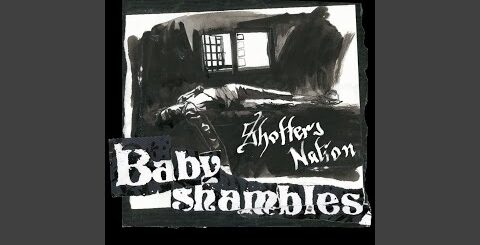
Delivery by Babyshambles Lyrics Meaning – The Melancholic Dispatch from Pete Doherty’s Heart
Lyrics
Cast adrift of the shores of shorty’s nation
I had a lick, it caved my skull in like a brick
Call now, what use am I to anyone
I’m fucked, forlorn, frozen beneath the summer
Don’t sing along or you’ll get what I got
So, here comes a delivery
Straight from the heart of my misery
So, here comes a delivery
Straight from my heart to you
Yeah you, now you, now you, you finally left school
Oh, what on earth do you intend to do?
See if you can take the man go downtown
Where all your skins and mods, you get together
Make pretend it’s 1969 forever
Find a girl, have a drink, have a dance and play
It’s a song that deliver me
Straight from the harshness of misery
Is a song that you’ll ever hear
Straight from my heart to you
Yes, here comes a delivery
Straight from the heart of my misery
Or a song might deliver me
Straight from my heart to you
Yes, here comes a delivery
Straight from the heart of the misery
Here comes a delivery
Straight from my heart to you
Babyshambles’s song ‘Delivery’ is more than just a striking composition with a catchy tune; it’s a raw missive encapsulating frontman Pete Doherty’s battle with his inner demons and the fraught journey towards deliverance. Delving into the track’s verses, we uncover layers of meaning that resonate with the torments of youth, the struggle for authenticity, and the unsparing reality of personal downfall.
The song is a striking portrayal of a man wrestling with the suffocating grip of desolation. The lyrics take listeners on a journey that vacillates between the shores of despair and the faint glimmer of hope that shines through the song’s ostensibly upbeat tempo. ‘Delivery’ emerges as a paradoxical anthem for the disillusioned, a cry for redemption riddled with the sting of introspective self-awareness.
The Anatomy of Despondency in Rhythmic Verses
At its core, ‘Delivery’ seems to be an exploration of Doherty’s personal struggles, made public through the poetry of his songwriting. The opening lines toss us into the tumultuous sea of ‘shorty’s nation’, an ambiguous referent that could allude to a stunted growth in terms of personal development or a relationship that’s failed to flourish. The mention of a ‘lick’ that ‘caved my skull in like a brick’ symbolizes a sudden, devastating realization or event that has left the protagonist’s psyche dented and disoriented.
This raw revelation sets the tone for the rest of the song, as listeners are escorted through a landscape that is at once barren and replete with the detritus of broken dreams. Doherty masterfully articulates the suffocating feeling of uselessness that accompanies a profound existential crisis with the line ‘what use am I to anyone’, a stark admission of perceived worthlessness.
From Thawed Despair to Icy Resilience
The line ‘fucked, forlorn, frozen beneath the summer’ conjures an image of a man unable to escape his own chilling desolation, even under the guise of brighter days. This contrasts sharply with the traditional association of summer with warmth and rejuvenation, suggesting that the melancholy Doherty experiences is impervious to seasonal change – it’s a perpetual winter in the chambers of his heart.
Although Doherty warns ‘don’t sing along or you’ll get what I got’, it is an irresistible invitation for the listener to join in his sorrowful chorus, acknowledging the infectious nature of his melancholic disposition. The irony of this proclamation is that it serves to draw us in closer, binding our own sense of despair with his.
Nostalgia’s Siren Call Versus the Brutality of the Present
Doherty’s reference to ‘skins and mods’ resurrects the subcultures of the 1960s, evoking a nostalgic yearning for an era symbolized by cultural rebellion and unity in divergent identities. His romantic portrayal of the past with ‘Make pretend it’s 1969 forever’ pits an idealized history against a much bleaker present, serving as a reminder of the raw deal today’s youth have been handed.
The period Doherty alludes to is brimming with idealism and change, a stark contrast to the disillusionment he feels. With dashed hopes and erratic escapisms, the protagonist seeks solace in temporal pleasures (‘Find a girl, have a drink, have a dance and play’), a fleeting remedy for a deeper malaise.
A Haunting Chorus: The Unforgiving Echo of Misery
‘So, here comes a delivery / Straight from the heart of my misery’ – the recurring hook serves as the song’s haunting heartbeat, a relentless reminder of the artist’s pained state of existence. The delivery here is not just a parcel of words or melodies but an embodiment of a wayward soul’s lament, the output of an internal senate where suffering presides.
The clever play of the word ‘delivery’ pertains not only to the act of conveying something but could also be interpreted as ‘deliverance’ or salvation that the artist seeks from his predicaments. Doherty dexterously plays with this dual sense, using the ‘delivery’ as a means to connect his personal afflictions with the listener’s empathic receptors.
A Melancholic Anthem’s Timeless Capture
Pete Doherty has often been depicted as the poster boy for the tortured artist trope, and ‘Delivery’ is a quintessential example encapsulating his struggle with fame, substance abuse, and the relentless scrutiny of public life. It’s a zeitgeist of his era, a touchstone for those who find themselves lost in the transition from reckless youth to jaded adulthood.
Through its memorable lines and evocative imagery, the song achieves a timeless quality, captivating the hearts of its listeners, whether they’re fans of the early 2000s indie scene or newcomers discovering the potency of Doherty’s songwriting prowess. ‘Or a song might deliver me / Straight from my heart to you’ – in these lines lives the hope that through the communion of music, there’s a chance for understanding, a brief respite from our collective afflictions.