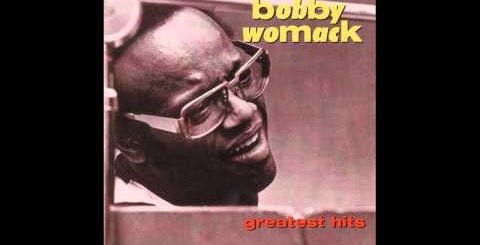
Across 110th Street by Bobby Womack Lyrics Meaning – Unveiling the Struggle for Survival
Lyrics
Woo, ooh
I was the third brother of five
Doing whatever I had to do to survive
I’m not saying what I did was alright
Tryna break out of the ghetto was a day to day fight
Been down so long, getting up didn’t cross my mind
But I knew there was a better way of life, and I was just trying to find
You don’t know what you’ll do until you’re put under pressure
‘Cross 110th Street is a hell of a tester
Across 110th Street
Pimps trying to catch a woman that’s weak
Across 110th Street
Pushers won’t let the junkie go free
Across 110th Street
Woman trying to catch a trick on the street, ooh baby
Across 110th Street
You can find it all in the street
Woo, ooh, oh
I got one more thing I’d like to talk to y’all about right now
Hey brother, there’s a better way out
Snorting that coke, shooting that dope, man, you’re copping out
Take my advice, it’s either live or die
You’ve got to be strong if you wanna survive
The family on the other side of town
Would catch hell without a ghetto around
In every city you’ll find the same thing going down
Harlem is the capital of every ghetto town
Help me sing it
Across 110th Street
Pimps trying to catch a woman that’s weak
Across 110th Street
Pushers won’t let the junkie go free, oh
Across 110th Street
A woman trying to catch a trick on the street, ooh baby
Across 110th Street, look
You can find it all in the street
Yes, you can
Oh, look around you, look around you, look around you
Look around you, uh, yeah
Woo, ooh
In 1972, soul legend Bobby Womack painted an aural portrait of survival and desperation with his seminal hit ‘Across 110th Street.’ More than just a soulful groove, this song is a narrative, a vivid commentary on the life that pulsates through the veins of one of New York City’s most notorious dividing lines – the border that the song’s title references. The uptown street became synonymous with the sharp divide between the affluence of Manhattan and the poverty of Harlem, but Womack’s lyrics transcend geography to become a universal cry from the margins.
Womack’s ballad is rich in storytelling, perfectly encapsulating the complexity of inner-city life, the systemic oppression, and the sheer will to escape it. It serves as a time capsule for a period of tumultuous social change in America, speaking to both personal and communal struggles. It’s a classic urban tale of resilience which, while seemingly resigned to the harsh realities, is simultaneously defiant and hopeful.
The Soul of the Streets: 110th as More Than a Border
To truly grasp the essence of ‘Across 110th Street,’ one must understand its setting. The street itself is not merely a physical line that blocks off neighborhoods on a map; it’s the symbol of a deep economic and social chasm. In the early ’70s, this area was rife with the ravages left by declining industry, lack of resources, and a populace grappling with the realities of a racialized America.
Womack crafts this boundary as a living entity – a witness to the struggle, an arena for hustlers, a zone where dreams and despair intertwine. His lyrics don’t just describe a place; they create a character out of it, a character that is both battlefield and protagonist, survivor and statistic.
A Gritty Fight for Dignity: Unpacking the Struggle
From the opening line, ‘I was the third brother of five, doing whatever I had to do to survive,’ Womack connects intimately with his audience. There’s an immediate understanding that this isn’t a story of comfort. It’s about grappling with the cards you’re dealt, where ethics become malleable in the face of poverty.
His lyrics marry the personal with the political, reminding listeners that while the struggle is deeply individual, it is also inextricably tied to larger forces – systemic racial and economic inequalities that have cornered many into untenable living situations. Womack isn’t claiming that all then-actions are justified, but he casts light on the context that makes such choices conceivable – the reality of the ghetto and its relentless pressures.
More Than Pimps and Pushers: The Song’s Hidden Message
It’s easy to misconstrue ‘Across 110th Street’ as a mere exposé of the hustlers’ life – the pimps, the pushers, and the women of the street. However, to listen carefully is to discern a deeper, more poignant narrative, that of a community’s fight for survival and respect. Crucial to this is Womack’s own reframing as he sings from a place of empathy rather than judgment.
This isn’t just a song about the people who have succumbed to the streets, but a salute to the resilience it takes to wake every morning and face that world. Womack doesn’t glamorize street life; rather, he portrays it as it is – brutal, unforgiving, and often the only option available.
The Anthem’s Most Piercing Lines – Breakdowns That Hit Home
‘Across 110th Street is a hell of a tester.’ This line epitomizes the core message of the song: life in the ghetto is the ultimate test of one’s tenacity and endurance. The image of 110th Street as a crucible is powerful, suggesting that to cross it – one way or another – is to undergo a brutal examination of will.
Equally impactful, the verse ‘Hey brother, there’s a better way out,’ speaks to Womack’s tacit offer of a lifeline, like a sage acknowledging the hardship but hinting at possibilities of redemption and hope. For listeners caught in the grind, it’s a glimmer of light through which they could channel their own escape.
Legacy and Impact: ‘Across 110th Street’ Resonates Across Ages
Decades after its release, Womack’s ‘Across 110th Street’ remains more than just a song to groove to. It has achieved a rarefied status as both an anthem for social realities and a testament to individual and collective struggle. It’s a narrative steeped in authenticity, delivered with soul and injected with an unpolished truth that continues to strike chords in hearts across the globe.
The song’s legacy is multifaceted: it’s been covered, sampled, and referenced in various media, demonstrating its powerful resonance across cultures and eras. ‘Across 110th Street’ stands as a timeless ode to the human struggle, an unvarnished elegy for those pushing past the barriers of their circumstances and a reminder that, in Womack’s own words, ‘you can find it all in the street.’