Tears in the Typing Pool by Broadcast: Lyrics Meaning – Unraveling the Mosaic of Melancholy
Lyrics
The finishing time
The long distance runner
Has stopped on the corner
But I won’t give up
Although I’ve stopped too
Before the end of me and you
The patchwork explains
The land is unchanged
Interpret the rooms
My tears in the typing pool
The letters are sighing
The ink is still drying
I told you the truth
And now I sigh too
The page turns on me and you
Across that white plain
The land is unchanged
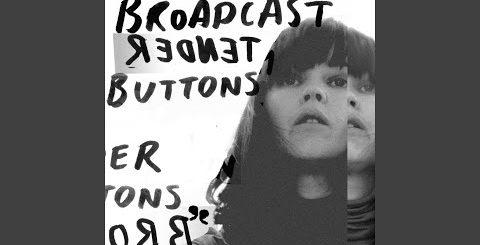
Broadcast’s evocative track ‘Tears in the Typing Pool’ from their 2005 album ‘Tender Buttons’ is a heart-rending piece that invites listeners into a world of introspection and quiet grief. Trish Keenan’s haunting vocals float over minimalist instrumentation, weaving together a tapestry of imagery and emotion that is both enigmatic and stirring.
The song’s nuanced lyrics conjure a sense of finality and loss, engaging with themes that extend beyond the surface-level interpretation. There is an underlying complexity, a poetic hermeticism that demands the audience to look closer, to listen harder, and to dive into the depths of this aural pool to discover its true essence.
The Marathon of the Heart: A Dissection
Keenan’s reference to a ‘long distance runner’ who has ‘stopped on the corner’ strikes as an allegory for a relationship reaching its final sprint. It’s not the exhaustion of the run that halts this racer, but it seems to be a choice, a moment of realization where continuing seems futile. This resignation is palpable, yet there’s stubborn resistance in the lines ‘But I won’t give up / Although I’ve stopped too,’ denoting a complexity to the resignation experienced.
Poignantly, this conflict between will and reality is not just an exercise in futility but reflects the profound human struggle with attachment, expectation, and the eventual acceptance of change in life’s constant marathon.
The Patchwork of Persistence Amidst Desolation
In the lyric ‘The patchwork explains / The land is unchanged,’ there is a tension between movement and stillness. Patchwork, often associated with different pieces stitched together to create a whole, could symbolize the various attempts to mend or sustain what has been. And yet despite all efforts, the fabric of their shared reality — ‘the land’ — remains the same, untouched by the efforts to alter its course.
Thus, the song narrates an emotional landscape where persistence may not alter the physical one; it becomes a testament to the enduring human spirit amidst the static backdrop of indifferent reality.
Sighing Letters and Drying Ink: The Weight of Words Left Behind
The evocative image of ‘tears in the typing pool’ speaks to a sense of mundane tragedy. The scene is almost filmic – clerical workers silently crying over typewriters, a metaphor for the unvoiced sorrows that people carry with them. ‘The letters are sighing / The ink is still drying,’ suggests a recent confession, a truth revealed that hangs heavy in the air, its repercussions not yet fully realized.
This metaphor extends to the notion that words once put to paper cannot be taken back; they are fixed, drying into a permanence that can haunt both writer and recipient. The sorrowful lyrics powerfully encapsulate the anxiety of communication and the permanency of our spoken and unspoken languages.
A Palette of White: Unchangeableness and the Blank Slate
The track ends on a note that simultaneously feels like a beginning and an end: ‘Across that white plain / The land is unchanged.’ The ‘white plain’ suggests a vast emptiness, but also a blank slate, contrasting with ‘The land is unchanged,’ which conveys a sense of hopelessness or perhaps a resigned peace with the inertia of life’s landscape.
It’s within this dichotomy that the song finds its devastating beauty, leaving it up to the listener to decide whether this emptiness represents a new beginning to be written upon or the stark unchanging reality of closure.
Seeking the Poet’s Codex: The Hidden Meaning within ‘Tears in the Typing Pool’
If there’s a cipher to Broadcast’s ‘Tears in the Typing Pool,’ it lies in the visceral and pictorial quality of its lyrics. It plays out like a collage of melancholic vignettes, inviting interpretation and inviting the listener to imprint their own experiences onto the melancholy backdrop.
The song thus becomes much more than a lyrical composition; it’s a mirror held up to the audience, reflecting personal tales of loss, endurance, and the bittersweet nature of human connections. Each line is a thread in a tapestry, which when pulled, unravels a different story for each who listens.