Hateful by The Clash Lyrics Meaning – Unpacking the Existential Anthems of Punk
Lyrics
What man?
The man who keeps me from the lonely, the only
He gives me what I need
What you need? What you got?
I need it all so badly
Oh, anything I want he gives it to me
Anything I want he gives it, but not for free
It’s hateful
And it’s paid for and I’m so grateful to be nowhere
This year I’ve lost some friends
Some friends? What friends?
I dunno, I ain’t even noticed
You see, I gotta go out again
Again? My friend
I gotta see the main man
Oh, anything I want he gives it to me
Anything I want he gives it, but not for free
It’s hateful
And it’s paid for and I’m so grateful to be nowhere
Oh, anything I want he gives it to me
Anything I want he gives it, but not for free
It’s hateful
And it’s paid for and I’m so grateful to be nowhere
I killed all my nerves
My nerves? What swerves?
And I can’t drive so steady, and already
I’ve lost my memory
My mind? Behind!
I can’t see so clearly
Oh, anything I want he gives it to me
Anything I want he gives it, but not for free
Anything I want, anything I want, anything I want, anything I want, anything I want
The Clash’s ‘Hateful’ is an insidious piece of punk poetry that surfaces the complexities of human need and dependency within society. On a surface level, it’s a raucous, electrifying track, but beneath the pulsating riffs and Joe Strummer’s snarling vocals lies a tale of introspection and societal critique.
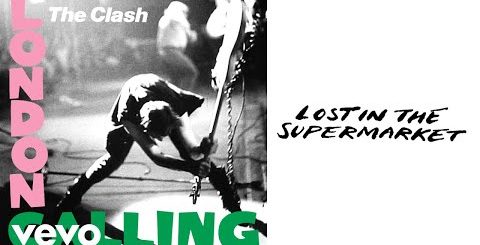
This audacious number from their pivotal 1979 album, ‘London Calling,’ teeters between a confession of personal vices and a scathing commentary on the transactional nature of relationships, be it with people or substances. It is an undiluted window into humanity’s ceaseless yearning for something – anything – regardless of the price.
A Clash of Desires and Dependencies: Interpretation of Cravings
The repeated refrain, ‘Oh, anything I want he gives it to me,’ evokes an insatiable yearning for fulfillment. The lyrics dwell on the paradox of human desire, presenting a subject that is constantly seeking comfort from an unnamed ‘man,’ a metaphor for any auxiliary means of fulfillment – drugs, relationships, material gains.
Strummer’s tone exudes a raw urgency, voicing the grip that this dependency has over the protagonist’s life. While the song’s addiction theme is evident, it transcends physical cravings, touching on the deeper human compulsion to fill emotional voids.
The Cost of Contentment: Dissecting ‘It’s Hateful’
The word ‘hateful’ punctuates the verses like a stark confession, suggesting both the nature of the dependency and the self-awareness of the speaker. Although the ‘man’ provides what’s needed, it comes at a cost – monetary or otherwise, hinting at a broader societal system where nothing comes without strings attached.
Despite the provisions, the repeated proclamation of the transactions being ‘hateful’ betrays a resentment or a moral discomfort with the very system that sustains the protagonist’s needs. The ambivalence towards this dependency is palpable, mirroring society’s often troubled relationship with consumerism and immediate gratification.
The Anthemic Cry of Disconnection: ‘I’m so grateful to be nowhere’
Seemingly contradictory, the line ‘I’m so grateful to be nowhere’ reflects a subtle irony and a deep-seated disaffection with the present. Appreciation for anonymity or the absence of social ties underscores the desire for nonconformity, a thematic staple of punk rock ethos.
In the broader context, it is a profound statement on the disillusionment with societal expectations and the liberation found in detachment, a recurring theme in The Clash’s narrative arsenal aimed at deconstructing the tenets of establishment.
Fraying at the Edges: ‘I killed all my nerves’
The line ‘I killed all my nerves’ reads as an admission of the destructive consequences of living on the edge. Here, Strummer paints a picture of a mind fraying from too much indulgence, too much seeking, and too little finding, mirroring the disintegration of purpose in an overstimulated society.
The mention of lost memory and the inability to drive straight can be interpreted as the cognitive dissonance one experiences when trying to navigate systems built on exploitation and excess, where losing one’s clarity and sense of direction becomes inevitable.
The Hidden Meaning: Dissecting ‘What man?’ and ‘What friends?’
Throughout the song, a skeptical voice prompts the singer with questions such as ‘What man?’ and ‘Some friends? What friends?’ These interruptions not only frame the protagonist’s confessions but also act as society’s echo, challenging the listener to question the authenticity of one’s dependencies and connections.
These rhetorical interjections serve as a reminder that a person’s perceived support system or sources of pleasure might be as fleeting as their next fix. They emphasize the transient nature of such relationships, be they with people, substances, or the fleeting solace procured from material goods.