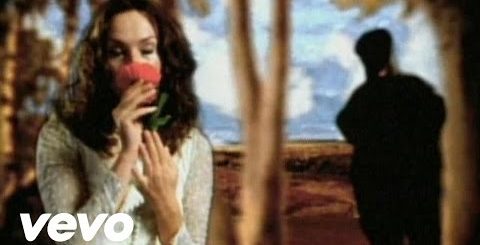
156 by Mew Lyrics Meaning – Unraveling the Emotional Labyrinth in a Nordic Soundscape
Lyrics
And when the lights are off
I can watch you move
Hear the wind whispering your name
Twice the encouragement
Of the real you
Callie if you really want me to
I can always get you down
If you get the money for me
Callie in the summer rain
You will be kept dry you see
If you got the money for me
Making amends for distant wrong
Sincere
You can run away
Leave your books behind you
But you should look back twise
Just to be on the save side
From my boat I can see your house
But now the lights are off
And there is no one home
You are just like an avalanche
Cold as I might have guessed
But at least I’m covered up for now
In a big, big way
I am really small
I get off my feet
But I’m still distant
Don’t you just love goodbyes?
Callie let us get it over with
I can always get you down
If you got the money for me
Callie in the summer rain
You will be kept dry you see
If you got the money for me
Most of our lives we try so hard
To find the time
I won’t care for you
Like I’m really supposed to
There are things I’ll do
That could really hurt you
Don’t you just love goodbyes?
156
Like a ship cresting waves in a tempest-tossed sea, the song ‘156’ by Mew offers a glimpse into a complex emotional odyssey that is rich with metaphor and melodic intensity. The track, which hails from the Danish outfit’s 2003 album ‘Frengers,’ intertwines the aspects of yearning, the ethereality of connections, and the stark realism of relationships gone awry.
The enigmatic title ‘156’ itself serves as an invitation into the intricacies of this sonic voyage. With its layers of dreamy guitars, syncopated rhythms and Jonas Bjerre’s haunting falsetto, the canvas is set. The lyrics paint broad strokes of intimacy and alienation, weaving a tale that suggests much more than the sum of its words.
Peering into Privacy: Surveillance or Longing?
The striking opening line of ‘156’ sets a tone of voyeurism, as the narrator views an unseen figure in the privacy of their home—’From my boat I can see your house.’ This imagery evokes feelings of detachment and an unfulfilled desire to connect. It reflects a kind of surveillance culture that has permeated society, but here it is more intimate—a singular person watching, perhaps craving companionship yet unable to bridge the physical gap.
Coupled with the act of watching is the silent communication of the elements—the ‘wind whispering your name’—linking nature with the personal, suggesting a yearning that flows deep like a river, touching on our universal need for connection and the lengths we may go to maintain an emotional proximity, even at a distance.
The Alchemy of Encouragement and the Cost of Connection
The ‘twice the encouragement’ stanza suggests duality. It could imply a need for validation rewritten by the seductive allure of material exchange—’If you get the money for me.’ Relationships transmute into transactions, with ‘Callie’ acting as a cipher for the object of the narrator’s desires. Yet, the name Callie itself, Greek for ‘beautiful’, implies an attraction that goes beyond mere materialism.
The role of money in affording protection—’You will be kept dry you see’—plays upon the age-old adage of ‘everything has a price,’ a cynical view of interactions that is more barter than bond. It probes at the commodification of affection, surfacing a dark undercurrent that juxtaposes the warmth of human relations against the cold hard currency of necessity.
Distant Wrongs and the Illusion of Amends
A reflective pause in the song’s bridge, ‘Making amends for distant wrong,’ paints a picture of introspection and penance. It is sincere regret—a call to acknowledge one’s past mistakes without resorting to self-inflicted exile. The idea of leaving one’s ‘books behind’ signifies abandoning learned experiences, suggesting a possibility of starting new or erasing personal history.
Yet, there’s a word of caution against total abandonment of the past—’But you should look back twice just to be on the safe side.’ Even as one attempts to make amends, the song seems to advise prudence and awareness: the past may offer wisdom for future choices. Redemption is a complex tapestry where forgetting can be folly.
Avalanches and the Emotional Terrain
The metaphor of an ‘avalanche’ in the lyrics is compellingly ambiguous—simultaneously representing the chaotic potential of emotions while connoting a certain frigid indifference—’Cold as I might have guessed.’ This juxtaposition of heat and cold within emotional relationships harmonizes with the Nordic undertones of Mew’s musical style. A perceived stoicism may veil a roiling inner turmoil.
The admission ‘I am really small’ touches a vein of vulnerability. It speaks to the universal sentiment of insignificance against the complexities of the human experience. The individual’s efforts feel dwarfed by the greater forces of nature or fate, evoking empathy for the lonely voyage we all undertake in the quest for connection.
The Poignant Irony of Partings
The recurring line ‘Don’t you just love goodbyes?’ rings with an ironic undertone. Within its casual delivery lies a probing question about the paradoxical nature of farewells—highlighting that often the most profound emotional truth is tinged with sarcasm. It’s a testament to the song’s central theme; the navigation of the emotional spectrum involved in departures, be they temporary or permanent.
Each delivery of the line feels more charged than the last, as the singer contemplates the formalities and tacit contracts that goodbyes often entail. It’s a nod to the universality of moving on and the inevitable encounters with the end. Even in conclusion, ‘156’ maintains an enigmatic air, ending on a bittersweet note, fading out like a memory—one that is reflective of the complexities and contradictions of human connections.