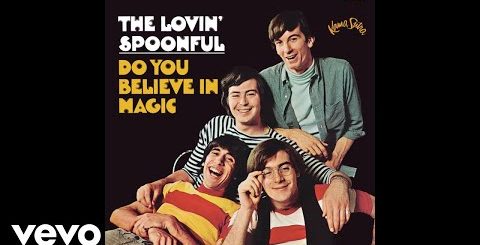
Summer in the City by The Lovin Spoonful Lyrics Meaning – Unveiling the Urban Heatwave
Lyrics
Back of my neck gettin’ dirty and gritty
Been down, isn’t it a pity?
Doesn’t seem to be a shadow in the city
All around, people lookin’ half dead
Walkin’ on the sidewalk, hotter than a match head
But at night, it’s a different world
Go out and find a girl
Come on, come on, and dance all night
Despite the heat, it’ll be alright
And babe, don’t you know it’s a pity
The days can’t be like the nights
In the summer in the city
In the summer in the city
Cool town, evening in the city
Dressed so fine and lookin’ so pretty
Cool cat lookin’ for a kitty
Gonna look in every corner of the city
‘Til I’m wheezing like a bus stop
Runnin’ upstairs, gonna meet you on the rooftop
But at night, it’s a different world
Go out and find a girl
Come on, come on, and dance all night
Despite the heat, it’ll be alright
And babe, don’t you know it’s a pity
The days can’t be like the nights
In the summer in the city
In the summer in the city
Hot town, summer in the city
Back of my neck gettin’ dirty and gritty
Been down, isn’t it a pity?
Doesn’t seem to be a shadow in the city
All around, people lookin’ half dead
Walkin’ on the sidewalk, hotter than a match head
But at night, it’s a different world
Go out and find a girl
Come on, come on, and dance all night
Despite the heat, it’ll be alright
And babe, don’t you know it’s a pity
The days can’t be like the nights
In the summer in the city
In the summer in the city
As the scorching sun climbs high and the streets soak up the heat, ‘Summer in the City’ by The Lovin’ Spoonful captures more than just the temperature of the concrete jungle. Released in 1966, this anthem of urban summertime remains as evocative today as it was more than half a century ago, seething with the sultry tension of heated pavements and the night’s promises.
The contrast between the smoggy, stifling daytime and the liberating coolness of evening offers rich ground for exploration. The song is more than a mere depiction of weather patterns—it’s a metaphor for the human experience in the pressure cooker of city life. Let’s delve into the deeper meanings behind the catchy riffs and memorable lines of this classic hit.
The Sweltering Melody of Daily Grind
From the opening drumbeat, the song thrusts us into the relentless hustle of midsummer urban living. The visceral imagery of necks sweating and grit sticking is immediate, a physical sensation that most city dwellers can relate to. ‘Summer in the City’ doesn’t hold back in painting a picture of discomfort and the omnipresent yearning for a respite.
What’s particularly striking about these opening lines is how deftly they intertwine the personal and the collective experience. The song’s protagonist seems lost in the crowd, just another weary soul seeking escape from the high-temperature reality of a sun-baked metropolis.
A Nightlife Oasis: The Urban Transformation
The narrative takes a palpable turn as dusk falls. The song’s protagonist breaks free from the sweltering chains of daylight. The night is their realm, a different world where possibilities abound, and the heat of the moment transcends the day’s oppressive temperatures.
The nighttime scenes described in the song suggest a cultural oasis amid the burning desert of daytime city life. It encapsulates a shared urban understanding that the real living doesn’t start until the sun retreats. Passion, excitement, and vitality—all are night’s rewards for those who endure the day.
The Lyrical Longing in ‘Days Like Nights’
The repetitious plea, ‘Babe, don’t you know it’s a pity, The days can’t be like the nights,’ reveals a deep yearning for the freedom and adventure found in the cloak of darkness. The emphasis on ‘babe’ here might not just address a love interest but reaches out to anyone trapped in the daily grind, searching for that spark to ignite their life.
This sentiment mirrors an all-too-common wish to bring the vivacity of our best moments into the tedious routine of our days. It’s a call to action, reminding us that life is always a balance between survival and the pursuit of happiness.
Decoding the Hidden Urban Blues
Beyond its summer anthem facade, ‘Summer in the City’ harbors a deeper layer of social commentary. The lines speak to the isolation and hardship of city life, a place where people can appear ‘half dead’ amid the bustle. It’s a critique folded into the fabric of an upbeat track, hiding in plain sight.
The song captures the essence of the human condition within the context of urbanity—acknowledging the existence of a grittier side of life with an almost existential acceptance. The Lovin’ Spoonful vividly illustrates the stark disparity between the escapist nightlife and the oppressive heat of daylight hours.
The Enduring Heat of Iconic Beats
Half a century later, ‘Summer in the City’ still resonates with listeners, not just for its distinctive keyboard riff or catchy chorus, but for its ability to represent universal feelings of struggle, desire, and liberation. It’s a sonic time machine, transporting generations to the heat of a 1960s summer night.
Yet, the true staying power of this song lies not in its nostalgia, but in its timeless relevance. As long as there are cities, summer heat, and human yearning, ‘Summer in the City’ will remain an enduring emblem of the push and pull between daily monotony and nightly relief.