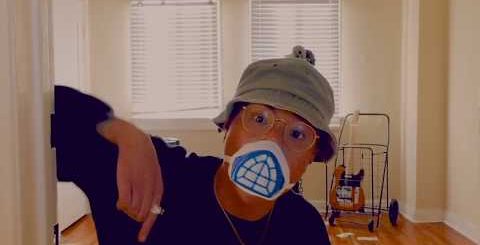
Only in the West by YEEK Lyrics Meaning – Dissecting the Struggle and Euphoria of Coastal Living
Lyrics
Thinkin’ about what I’ma do
Music don’t pay the bills
Music don’t pay for food
Homies sell hella drugs
Only ’cause they have to, and that sucks
They got cars and I ride the bus
Unless I’m on a board, wheels, and trucks
I got the west coast blues
I got the west coast blues
I got the west coast blues
I got the west coast blues
Yeah, hey
Yeah, yeah
Okay, uh-huh
Yeah, yeah, yeah, yeah, yeah
Yeah, yeah, yeah, yeah, sing
Oh no, she’s sniffin’ her cars keys
Hit the tree, now riding with molly
Mushroom for a road trip snack
Won’t live life unless it’s fast
Pull up, now she’s drinkin’ my bottle
My guess? She’s probably a model
I don’t know how to act
So I grabbed her by the ass
I got the west coast blues
I got the west coast blues
I got the west coast blues
I got the west coast blues
I got the west coast blues
I got the west coast blues
I got the west coast blues
I got the west coast blues
“Bakar is never ’round when you need him, um
I don’t know
I don’t know what else to tell you
I don’t trust these bitches that’s-
That’s how I feel when I wake up
That’s how I feel when I go to sleep
And that’s it”
“What are you doing?”
YEEK’s ‘Only in the West’ is not just a song; it’s a poignant narrative exploring the quintessence of West Coast life beyond the glitter of Hollywood. With its laid-back beat and introspective lyrics, YEEK delves into the deeply rooted issues, juxtaposing the allure of the West with the personal battles faced by its inhabitants. At first listen, it’s an easygoing track about the everyday, but diving deeper reveals the layers of complexity.
Through his verses, YEEK uncovers a storyline that is all too familiar to locals: the grind, the hustles, the fast life, and the blue tinges of a life in the shadows of fame. Weaving the personal with the universal, YEEK captures the nuances of pursuing dreams where stars are born, and sometimes, where they dim.
The Paradox of Dreams vs. Reality
At the heart of ‘Only in the West’ lies the quintessential lure of the West Coast – the land of dreams where ambition is supposed to thrive unchecked. Yet, YEEK sings a different tune. Confined within his room, reflecting on his life’s direction, he confronts a brutal truth where passion doesn’t equate to a livelihood. ‘Music don’t pay the bills, music don’t pay for food,’ he laments, highlighting the stark dichotomy between the art which fuels his soul and the financial demands of existence.
The disparity between dreams and reality takes a darker tone as he notes, ‘Homies sell hella drugs / Only ’cause they have to, and that sucks.’ Here the imagery is powerful, breaking the illusion of the sunny paradise and presenting an alternative West Coast narrative, one that zeroes in on survival over idealized dreams.
Unmasking the Culture of Vice and Excess
While the West has been romanticized for its beaches and sunsets, YEEK doesn’t shy away from exposing the underbelly. The lyrics, ‘Oh no, she’s sniffin’ her car keys / Hit the tree, now riding with molly,’ serve as a vivid tableau of a culture steeped in excess and substance-fueled escapism. It’s not just a depiction of hedonism; it’s a critical examination of a society where living life ‘fast’ is not a choice but a necessity to keep up with the glamorous façade.
This indulgence extends to the objectification encountered in these hedonistic scenarios, ‘So I grabbed her by the ass.’ It’s a line that stings with the uncomfortable reality of interpersonal relationships on the West Coast, where superficiality can often trump meaningful connection.
Exposing the Hidden Fragility of West Coast Cool
Beneath its surf and skate culture, ‘Only in the West’ hints at a hidden fragility. YEEK repeatedly sings about the ‘West Coast blues,’ a phrase that evokes the unique brand of melancholy exclusive to this region. Blues music typically speaks to universal struggles, and the repetition here sows a feeling of a persistent, inescapable gloom, an emotional undercurrent that runs counter to the sunlit optimism often associated with the area.
The ‘West Coast blues’ is more than a catchy chorus; it captures the exhaustion of keeping up appearances, the strain of struggling under the weight of an image that the West Coast sells to the world. In YEEK’s portrayal, these blues are an anthem for the unseen, the unglamorous, and the reality of living in a place that’s praised predominantly for its surface-level appeal.
Unforgettable Lines: The Echoes of Disenchantment
A powerful line, ‘Bakar is never ’round when you need him,’ punctuates the song, its intimacy jarring against the preceding upbeat tempo. It enunciates a personal sense of abandonment within a wider narrative of disenchantment. YEEK’s voicing of distrust towards the end, ‘I don’t trust these bitches that’s-‘ cuts through the dreamy lilt of the track, leaving the thought hanging, uncompleted, much like many promises of the West.
The track closes out with the voice of a woman questioning, ‘What are you doing?’ – it’s abrupt, disorienting, and snaps the listener back to reality. It can be seen as an incitation to reflect, a challenge to the listener to consider their own actions within the dizzying, demanding whirl of West Coast life.
The Song’s Hidden Meaning: A Reflection on Isolation
Beyond its veneer of a contemplative tune about West Coast culture, ‘Only in the West’ covertly serves as a meditation on isolation. Starting in solitude, ‘Sittin’ alone in my room,’ and ending with the unanswered question, ‘What are you doing?’ YEEK encapsulates the solitary journey amidst a bustling world. This framework introduces a broader theme: the struggle of maintaining one’s identity in the face of overwhelming external pressures.
The subtle genius of ‘Only in the West’ lies in how it speaks to the lonely and the misunderstood. Not everyone will make it in the land of sun and celebrities, and YEEK voices this narrative without abandoning hope – there is a certain power in acknowledging the blues while continuing to sing them, an ultimate act of resiliency and perhaps, defiance.