Lovesong of the Buzzard by Iron & Wine Lyrics Meaning – Unraveling the Layers of Folkloric Metaphors
Lyrics
Lucy in the shade of the dogwood blooms
Yesterday the solace of a poison fish
Tomorrow I’ll be kissing on her blood red lips
No one is the savior they would like to be
The love song of the buzzard in the dogwood tree
With a train of horses laughing through the traffic line
And the cradle’s unimaginative sense of time
Springtime and the promise of an open fist
A tattoo of a flower on a broken wrist
Lucy tells me jokingly to wipe her brow
With a pocket map to heaven and the sun goes down
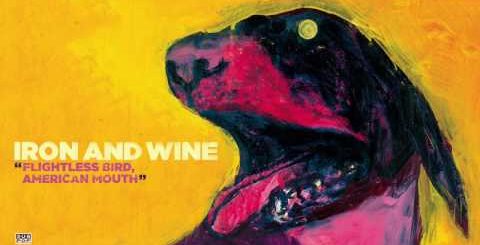
In the pantheon of modern folk, few songs cast as enigmatic and poignant a shadow as Iron & Wine’s ‘Lovesong of the Buzzard.’ With its haunting melody and evocative lyrics, the track from the album ‘The Shepherd’s Dog’ invites a deeper exploration into the heart of its narrative.
Beneath the seductive lilt of Sam Beam’s voice — the creative force behind Iron & Wine — lies a rich tapestry of symbols, each verse a thread winding through the existential and the earthy. It’s a song that captures the ephemeral dance between life’s stark realities and the sweet, fleeting moments that give it meaning.
Between Dogwood Blooms: The Setting of Serenity and Decay
Opening with an evocative scene, ‘Lovesong of the Buzzard’ weaves the imagery of Lucy in the shadow of dogwood blooms. The dogwood, a symbol perennially entwined with themes of rebirth and resurrection in the spring, sets the stage for a contemplation of cycles. Yet, the mention of failing light undercuts the serenity, introducing a sense of foreboding that permeates the track.
The contrast between the life-affirming dogwood and the song’s darker undercurrents speaks to the juxtaposition of vitality and decay. This dualism suggests an acceptance of life’s inherent dichotomy, encapsulating the beauty found within the fleeting nature of existence.
Navigating Time’s Illusion: The Unimaginative Cradle
The cradle’s ‘unimaginative sense of time’ perhaps reflects on the predictability with which life’s stages unfold, monitored more by societal expectation than personal desire. Iron & Wine invite us into a nuanced discussion about the linear nature of time and our place within its confines, asking us to consider whether we are ever truly in sync with its march.
Within these lines lies a lamentation for lost spontaneity and the mechanical progression from birth to death, untouched by the individual spirit. This leads the listener to muse on their own perceptions of time, and whether to view life as a sequence of predetermined stages or as a more malleable journey.
The Buzzard’s Ballad: An Ode to the Inevitable
Central to the song is the ‘love song of the buzzard,’ a motif that suggests a love affair with death or the acceptance of it. The buzzard, a bird often associated with scavenging and the life cycle’s end, paradoxically sings of love within the dogwood tree, emblematic of rebirth.
This beautiful contradiction points to the embrace of transformation and the renewal that follows decay. It is a hearty acceptance of the ultimate fate that befalls all living things, intertwined with the beauty of continuation and the persistence of life.
Lucy’s Levity: Wit in the Face of Waning Light
The character Lucy, present amidst the symbolic weight of the surroundings, offers a light-hearted direction to ‘wipe her brow’ with a ‘pocket map to heaven.’ This points to a recognition of life’s hard truths handled with humor and grace, an antidote to the existential weight the song carries.
Lucy embodies resilience and a sardonic acceptance of life’s ironies. Even as the sun sets, signaling the day’s end, her jest cements her as a figure of strength and perhaps an anchor within the song’s meditation on life’s impermanence.
Decoding the Hidden Messages: Folklore and Modernity Intertwined
The allure of ‘Lovesong of the Buzzard’ lies in its layered lyricism, where every line is a riddle woven of folk tradition and contemporary angst. Iron & Wine masterfully tie the ancient to the present, allowing the song to transcend its temporal bindings.
The hidden message seems to be one of universality, as if these scenes and sentiments have played out across ages, with different casts but the same core chorus. This timelessness is what makes the song resonate deeply with those who listen closely, offering a glimpse into the collective soul of human experience.