
Can’t Find My Way Home by Blind Faith Lyrics Meaning – Navigating the Psychedelic Labyrinth of the Human Psyche
Lyrics
Somebody must change
You are the reason I’ve been waiting all these years
Somebody holds the key
Well, I’m near the end and I just ain’t got the time
And I’m wasted and I can’t find my way home
I can’t find my way home
But I can’t find my way home
But I can’t find my way home
But I can’t find my way home
Still I can’t find my way home
And I’ve done nothing wrong
But I can’t find my way home
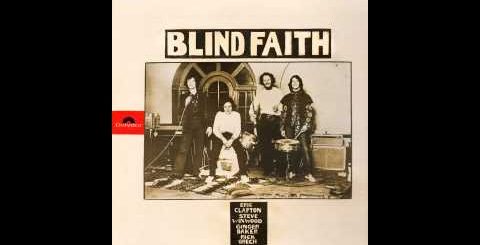
In the pantheon of rock anthems that delve into the human condition, Blind Faith’s ‘Can’t Find My Way Home’ stands as a hauntingly beautiful odyssey. Wrapped in the allure of gentle guitar riffs and the plaintive vocals of Steve Winwood, the song’s seismic effect on the psyche is hard to overstate. Released in 1969, during a period rife with sociopolitical changes and personal revolutions, its words resonate with the timeless struggle of seeking direction and purpose.
Beyond the haze of its initial release, the song has transcended generations, eclipsing the band’s short-lived existence. It’s a track that holds a mirror to the listener’s soul, asking poignant questions about destiny, agency, and life’s often meandering journey. Here we delve into the song’s rich tapestry of meaning, exploring the profound message beneath its surface and the reasons why it continues to reverberate through the hollows of time.
A Throne Abandoned: The Call for Change
The opening line, ‘Come down off your throne,’ issues a stark summons. It’s an invitation to humility, to shed the constructs of ego that keep us isolated from change. Though initially it might seem directed at a specific ‘you,’ there’s an implication that we are all ensnared by inertia, reluctant monarchs of our complacency, overlooking our need for transformation.
Stepping off this throne requires a certain vulnerability, a willingness to evolve. The song suggests that the catalyst for this change has been waiting in the wings—perhaps a person, an event, or an inner realignment. In its plea, ‘Somebody must change,’ we understand that progress is not just desired; it is essential.
The Winding Road to Redemption
The line ‘I’m near the end and I just ain’t got the time’ reverberates with a sense of urgency. This isn’t just about finding one’s literal home, but an existential yearning for homecoming, for reconciling with our true selves. The ‘end’ can be interpreted as the conclusion of a life phase, or the diminishing patience for enduring a state of disarray.
As the refrain repeats ‘But I can’t find my way home,’ the song envelops the listener in a shared sense of disorientation. In a world that increasingly feels labyrinthine, cluttered with distractions, the quest for a sense of place and peace is daunting. It’s as if the song is mapping the contours of our collective wanderings, yearning for a path that leads to solace.
The Intoxication of Life and It’s Puzzling Maze
Describing himself as ‘wasted’, the narrator encapsulates more than the state of inebriation—it’s a metaphor for the squandered time and potential in the struggle to comprehend life’s direction. There’s an ache here, a pronouncement of being consumed by something larger than oneself, whether it’s the zeitgeist or inner turmoil. This admission of being lost is both literal and allegorical.
To be ‘wasted’ hints at a feeling that one’s prime has been diluted amid chaos, yet the refusal to settle in being directionless also emerges. It’s the recognition of this intoxicating confusion of existence that becomes a sobering call to seek clarity amidst the noise.
The Search for the Key Holder
Central to the song is the mystery of the ‘key holder,’ the ambiguous savior who could provide direction. This elusive figure is at once a beacon of hope and a source of despair. The lyrics unfold a pursuit for someone or something—a muse, enlightenment, love—that can offer navigation through the hazy terrain of life.
But the journey towards self-discovery is often solitary, and the song’s portrayal of the key holder as a figure outside oneself begs the question: can we ever truly find guidance from another, or is the way home an introspective quest that each must undertake alone?
Unraveling the Tapestry: The Song’s Unspoken Commentary
Lyrically, the song eschews verbosity and chooses a spartan elegance that leaves much to interpretation. ‘And I’ve done nothing wrong’ speaks to the innocence of the seeker, the unjustified sense of displacement that pervades the human experience. This touches upon the absurdism of existential philosophies—a confrontation with a universe that neither punishes nor rewards logic.
While appearing simple on the surface, the song’s message is far from black and white. It dips into the psyche, unearthing the fears, doubts, and yearnings that underlie the quest to connect with something greater. ‘Can’t Find My Way Home’ becomes a mirror to the endless search for meaning in a world that doesn’t always provide clear roads or signposts.


Jonathan Kleck at Kleck files or Jonathan Kleck uncensored has answered all these questions through a gift of f sight given to him from the all eternal self existing One.