Trash by Suede Lyrics Meaning – A Dive into the Heart of Youthful Rebellion and Identity
Lyrics
The tasteless bracelets and the dye in our hair
Maybe it’s our kookiness
Or maybe, maybe it’s our nowhere towns
Our nothing places and our cellophane sounds
Maybe it’s our looseness
But we’re trash, you and me
We’re the litter on the breeze
We’re the lovers on the streets
Just trash, me and you
It’s in everything we do
It’s in everything we do
Oh maybe, maybe it’s the things we say
The words we’ve heard and the music we play
Maybe it’s our cheapness
Or maybe, maybe it’s the times we’ve had
The lazy days and the crazes and the fads
Maybe it’s our sweetness
But we’re trash, you and me
We’re the litter on the breeze
We’re the lovers on the streets
Just trash, me and you
It’s in everything we do
It’s in everything we do
We’re trash, you and me
We’re the lovers on the streets
We’re the litter on the breeze
Just trash, me and you
It’s in everything we do
It’s in everything we do
Oh, you and me, yeah
You and me
(We’re the litter on the breeze)
Oh, you and me, yeah
You and me
(It’s in everything we do)
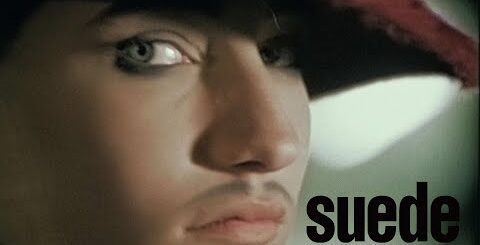
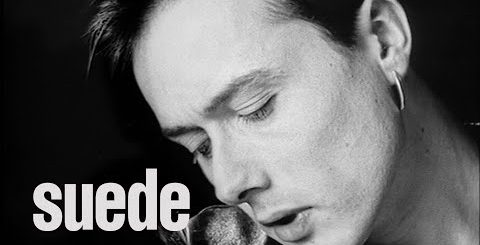
Suede’s audacious anthem ‘Trash’ resonates as an unapologetic soundtrack to the misspent youth. Released in 1996, as a central piece of the band’s ‘Coming Up’ album, it swiftly became an emblem of ’90s Britpop and a declaration of existence for the outsiders. From the outset, the song’s jangling guitar and Brett Anderson’s distinctive voice capture the listener, leading into an experience that’s both retrospective and provocative.
But beneath the glam hooks and catchy choruses, ‘Trash’ is an intricate tapestry of social commentary, a dissection of the youth’s embrace of their own so-called degeneracy. What at first seems like a superficial jaunt through teenage vanity and ennui reveals itself as a deep-seated celebration of identity, community, and survival amidst a society that often dismisses its young as inconsequential. Let’s unfold the layers hidden within its lyrics.
A Portrait of Subcultural Splendor
Suede paints a picture of rebellious youth culture with ‘Trash,’ glorifying the ‘tasteless bracelets and the dye in our hair.’ These lines are a portrayal not of mere fashion choices but of flags flown by individuals claiming their space in the cultural landscape. The song acknowledges the ‘kookiness’ and individuality of its characters, suggesting a deeper sense of pride found in the alternative and the anti-establishment.
This celebration of diversity within subcultures underlines a fundamental truth: for those who don’t fit within the mainstream’s narrow confines, the symbolic ‘trash’ becomes a treasure. The song validates that everything from unconventional towns to the surreal ‘cellophane sounds’ of their music is intrinsic to their identity, and by doing so, Suede crafts an anthem that empowers the sidelined and the different.
The Compelling Irony of Self-Identification
The chorus resounds with the assertion of being ‘trash, you and me,’ invoking a sense of unity and shared identity among those who often find themselves on society’s fringes. By appropriating the term ‘trash,’ a label traditionally used to belittle and devalue, Suede inverts its meaning, creating a badge of honor. The lovers and dreamers—characters in this song—are the flotsam and jetsam of culture, freely blowing with the ‘litter on the breeze,’ yet in their drift, they find liberation.
The reclamation of words meant to harm as words of power is a tactic long employed by many social groups. By echoing this sentiment, ‘Trash’ delivers a subversive and socially resonant message that goes beyond the scope of music, into the realms of protest and empowerment.
The Intimate Reflection of ‘The Times We’ve Had’
While externally ‘Trash’ seems to be a battle cry for the disaffected youth, at its core, it ruminates on personal experiences and emotional vulnerabilities. It’s not merely about the ‘cheapness’ or the trends, but the ‘lazy days and the crazes and the fads’ that make up the lived experiences of individuals. There’s a bittersweet nostalgia, a pining for the moments that, although they may seem trivial to outsiders, have sculpted the emotional landscapes of those invoking these memories.
The clever weaving of personal anecdotes with broader themes of identity is integral to Suede’s songwriting expertise. ‘Trash’ offers a valid and heartfelt look back to the days of ecstatic abandon, perhaps even a time when the fervor of life was felt more intensely through the lens of youth and its perceived immortality.
Discovering the Hidden Anthems in Everyday Life
Within the repeated mantra ‘It’s in everything we do,’ Suede encapsulates a powerful sense of omnipresence. The ideology, the rebellion—everything deemed ‘trash’—is not confined to loud gestures or iconic movements; it lives in the mundane actions, the routine, the subtext of daily existence.
Digging beneath these lyrics’ surface reveals a profound hidden meaning: the mundane is never mundane for the subculture. It’s charged with the significance of their identity, the rhythm of their defiance. The idea that every act is a form of expression, and every choice is part of a continuous anthem of their being, is a revelation that challenges the listener to reconsider their own everyday ‘trash.’
Memorable Lines That Echo Across Generations
‘But we’re trash, you and me / We’re the lovers on the streets,’ stands out as not just a catchy hook but a manifesto. These lines grasp at the sense of camaraderie that’s essential among those who find solace in community rather than isolation. It’s an invitation to view the world from a vantage point where disposability becomes a term of endearment, a shared laugh at the face of an often disdainful mainstream.
Over two decades since its release, the echoes of ‘Trash’ continue to resonate. The song has traversed the temporal divides, speaking to subsequent generations who find in its lyrics the same validation that the Britpop kids of the ’90s did. It’s a testament to the song’s enduring nature and Suede’s brilliant songwriting that these memorable lines remain as relevant and potent today as they did upon their debut.