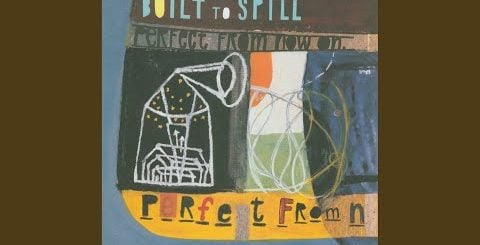
The Plan by Built to Spill Lyrics Meaning – Unraveling the Intricate Web of Time and Intention
Lyrics
And the plan mean nothing stays the same
But the plan won’t accomplish anything
If it’s not implemented.
Like it’s always been
And it makes me think of everyone
The cause of this is evident
But the remedy cannot be found
Cause it’s so well hidden
This history lesson doesn’t make any sense
In any less than ten thousand year increments of (common sense) (x5)
In the tapestry of indie rock music, there are songs that resonate through the threads of time, challenging listeners to find deeper meaning within their melodies and lyrics. Built to Spill’s ‘The Plan’ is one such song, a hauntingly introspective track that seems to grapple with the monumental concepts of time, change, and the human condition.
Under the surface of its straightforward instrumental composition lies a labyrinth of philosophical thought. This song, well-known among fans of the band for its enigmatic lyricism, deserves a profound dive into its underlying messages and the quietly powerful impact it leaves upon the soul.
An Ode to the Futility of Human Endeavors?
The repeated lines of ‘The plan keeps coming up again / And the plan mean nothing stays the same’ might appear to hint at the cyclic nature of human efforts. It is as though the band is acknowledging that while we continuously attempt to impose order and progress, the very essence of our ‘plan’ is a testament to change—a paradox not lost on the listener.
Yet, the song goes further to declare ‘the plan won’t accomplish anything / If it’s not implemented.’ There is an edge of irony here; despite the intrinsic need for change, there’s an implication that often our grand designs languish, unrealized, not for want of vision but for lack of action.
Under the Veil of Simplicity – A Complex Narrative
At first listen, ‘The Plan’ might be perceived as simple in its musical arrangement, but it belies a complexity that might just be the point. When Built to Spill sings ‘Like it’s always been / And it makes me think of everyone,’ there’s an allusion to a shared human experience that transcends individuality yet binds us all.
Maybe the true plan is not a scheme or strategy, but an unearthly connection between people. As we are ‘thinking of everyone,’ there is a communion in our collective striving that is ‘evident’, yet we fail to address the root issues because the ‘remedy cannot be found,’ buried by our own doing or by the inexorable march of time.
The Echo Chamber of History and Its Discontents
The line ‘This history lesson doesn’t make any sense / In any less than ten thousand year increments’ takes a swipe at the myopia of human perspective. We’re presented with the idea that our understanding and learning from history are woefully inadequate, requiring a breadth of time beyond our usual scope to gain true insight.
This can be read as a critique of our shortsightedness or, perhaps more chillingly, a reminder of our insignificance in the grand scheme of the universe—a notion that the song captures in a refrain that feels both expansive and humbling.
Peering Through the Cracks for the Hidden Meaning
The cryptic assertion that ‘the cause of this is evident / But the remedy cannot be found / Cause it’s so well hidden’ challenges listeners to seek out the elusive solution to the human plight the song seems to address. Whatever this cause-and-effect scenario implies, the answer is purposefully obscured, perhaps within ourselves or just out of reach of our collective consciousness.
The hidden meaning behind these lines poses a riddle; is Built to Spill suggesting that our personal and societal woes have answers just beyond comprehension, or are they suggesting a more nihilistic view—that there is no remedy, and the search itself is futile?
Unforgettable Verse: Resonating Through the Ages
Beyond the intricate layers of ‘The Plan’s’ meaning, the song boasts lines that linger long after the music has ended. ‘The plan mean nothing stays the same’ echoes as a mantra of impermanence, a musical manifestation of the philosophical notion that the only constant is change.
The resonance of these words in the listeners’ minds does what great music often aspires to do: it becomes a vessel for personal reflection, growth, and even catharsis. In its deceiving simplicity, ‘The Plan’ becomes a mirror that reflects not just the intent of the artists, but the complexities of the ones who hear it.