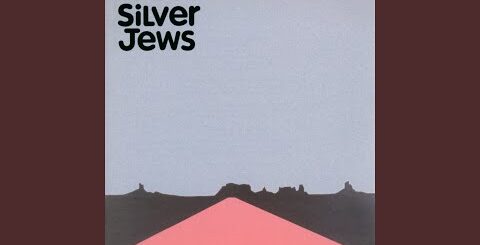
Random Rules by Silver Jews Lyrics Meaning – Decoding the Iconic Indie Anthem
Lyrics
Slowly screwing my way across Europe, they had to make a correction
Broken and smokin’ where the infrared deer plunge in the digital snake
I tell you, they make it so you can’t shake hands when they make your hands shake
I know you like to line dance, everything so democratic and cool
But baby there’s no guidance when random rules
I know that a lot of what I say has been lifted off of men’s room walls
Maybe I’ve crossed the wrong rivers and walked down all the wrong halls
But nothing can change the fact that we used to share a bed
And that’s why it scared me so when you turned to me and said
“Yeah, you look like someone
Yeah you look like someone who up and left me low
Boy, you look like someone I used to know”
I know you like to line dance, everything so democratic and cool
But baby there’s no guidance when random rules
I asked the painter why the roads are colored black
He said, “Steve, it’s because people leave
And no highway will bring them back”
So if you don’t want me I promise not to linger
But before I go I gotta ask you dear about the tan line on your ring finger
No one should have two lives
Now you know my middle names are wrong and right
Honey we’ve got two lives to give tonight
To give tonight
To give tonight, oh oh oh oh oh
In the vast tapestry of indie music, there are tracks that transcend mere sound and become emblems of an era. ‘Random Rules,’ an enigmatic song by Silver Jews, delicately weaves the poetic with the prosaic, inviting a deep dive into its lyrical intricacies.
Like a brushstroke on the canvas of modern music, David Berman, the late lead singer and songwriter, imparts a piece so richly layered that each listen unearths new shades of meaning. Here, we attempt to unpack the timeless allure of these cryptic verses and the poignant truths that lie within.
Living at the Mercy of Randomness
The chorus, ‘but baby there’s no guidance when random rules,’ hits at the core ethos of the song. It encapsulates a sentiment of drifting through life, acknowledging the chaotic dance where chance leads and plans falter. Such an acknowledgment beckons listeners to embrace the uncertainties that map our lives, recognizing a universal lack of control.
The speaker reflects on personal experience, echoing our collective journey through highs and lows, with random outcomes often dictating our path. Silver Jews’ frontman’s lyrical prowess lies in his ability to make profound connections through simple observations, and here he ponders the idea that, try as we might to choreograph life’s steps, in the end, the music chooses us.
The Dance of Intimacy: Nostalgia and Recognition
When Berman’s verse spills into the room, ‘Yeah, you look like someone / Yeah you look like someone who up and left me low / Boy, you look like someone I used to know,’ it’s a haunt from the past, a ghost note of familiarity in the melody of estrangement. It’s about recognizing pieces of a past life in someone else, perhaps parts that we long to forget or reclaim.
The line evokes estrangement laced with nostalgia, as it grapples with the recognition and disconnection in post-romantic encounters. It paints the picture of two people who have grown apart yet still retain echoes of their former closeness. The lyric reveals the bizarre dichotomy of how one can be a stranger yet so intimately known, a common lament in the ballads of bygone relationships.
The Elegy of Departure and the Colored Roads
A poignant exchange with a painter about tar-black roads serves as a metaphor for irreversible departures and the longing for return. ‘Steve, it’s because people leave / And no highway will bring them back,’ articulates the grim permanence of lost connections—visualized by the blackness of the asphalt that everyone travels, but not all together.
This sorrowful acceptance of endings mirrors Berman’s broader existential musings. By incorporating the voice of the painter, he injects a broader, almost omniscient perspective into the song’s narrative—one that recognizes the universality of loss and the desire for closure or continuation that often goes unfulfilled.
A Tale of Two Lives and Tan Lines
The intriguing mention of ‘the tan line on your ring finger’ is a detail as intimate as it is symbolic, hinting at concealed stories and half-lived truths. Within the lore of ‘Random Rules,’ this curiosity becomes a metaphor for the private histories and personal revolutions that define and divide us.
Further, when Berman sings ‘Now you know my middle names are wrong and right,’ he’s suggesting a dichotomous self, one that exists in shades of morality, and by extension, the dual lives we lead—the one for the world, and the one that ripples beneath the surface. The song mythologizes the idea of life’s duality and the human struggle to reconcile it.
Unraveling the Hidden Meaning: A Journey into the Philosophical
Beyond the literal, ‘Random Rules’ is a philosophical treatise set to indie rock, musing on predestination, free will, and the serendipitous nature of life. Through vivid imagery and allegory, Berman transforms the mundane into the extraordinary, challenging listeners to find solace in the inexplicable patterns of existence.
The hidden meaning unfolds like a map of constellations—indecipherable until the right mind ponders its elements. It becomes clear that ‘Random Rules’ is not just a song, but a conversation starter on life’s greater mysteries and the serenity that comes with surrendering to its undirected flow.