Campaign of Hate by The Libertines Lyrics Meaning – Decoding the Anthemic Cry Against Modern Apathy
Lyrics
It’s waiting at the school gates
For what I am not aware
Must be what you wrote
What you write, you swore that you’d swear
Now remember why you came
Not to play follow the leader, no no
Poor kids dressing like they’re rich (Mods!)
Rich kids dressing like they’re poor (oh my god!)
White kids talking like they’re black
I tried it with Charlene
And I spent three days on my back
But she said “Baby
I like the cut of your J.I.B.”
Oh don’t believe them when they say
That you don’t get nothing for free
It’s all for free
Follow me now
There’s a campaign of hate
It’s waiting at the school gates
There’s a campaign of hate
It’s waiting at the school gates
There’s a campaign of hate
It’s waiting at the school gates
There’s a campaign of hate
It’s waiting at the school gates
There’s a campaign of hate
It’s waiting at the school gates
There’s a campaign of hate
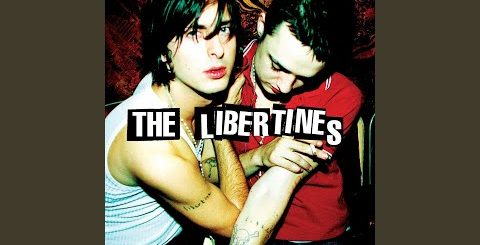
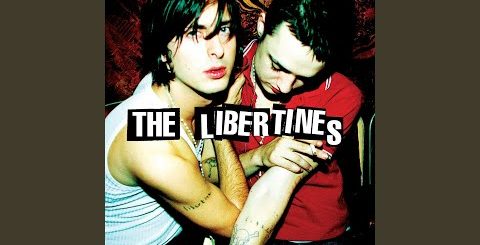
In an era where the lines blur between genuine activism and mere posturing, The Libertines confronts this head-on with ‘Campaign of Hate.’ The track, a deep cut from their self-titled second album, surfaces as a raucous commentary on the social and political disarray of the early 2000s—a message increasingly relevant in today’s climate.
Frontmen Pete Doherty and Carl Barât, known for their poetic license and shambolic charm, craft lyrics that feel both timely and timeless, painting a picture of youth culture’s confusion and apathy amidst the noise of so-called progress. What follows is an exploration of the hidden depths within this charged anthem, diving into the subtext that makes ‘Campaign of Hate’ a standout in The Libertines’ discography.
At the School Gates: The Battleground of Beliefs
The Libertines open ‘Campaign of Hate’ with a haunting image: ‘It’s waiting at the school gates.’ These gates, a symbol of youthful innocence and learning, become the backdrop for a ‘campaign’ not of ideals, but of disillusionment and spite. Here, the band juxtaposes the facade of childish naivete against an undertone of brewing discontentment, suggesting that the seeds of dissent are sown early, as youths grapple with handed-down ideologies.
The school gates motif communicates a compelling message about identity formation. The formative years of education, instead of being a safe harbor of enlightenment, are infiltrated by the agents of hate. The question that lingers, ‘For what I am not aware,’ indicates the nebulous and insidious nature of the hostility that molds young minds.
Follow, But Don’t Lead: A Satire on Conformity
‘Not to play follow the leader’—The Libertines use this line to skewer the notion of unthinking conformity. By challenging the listener to remember the purpose of their personal journey, the band criticizes the ease with which individuality is traded for a spot in the herd. The song becomes an anthem for those who resist the magnetism of mass appeal and the seductive simplicity of fitting in.
The irony employed here is a swift punch to the hive mentality that pervades society. The Libertines champion an ethos of nonconformity, not for the sake of rebellion, but as a means of genuine self-expression. They’re not simply criticizing the ‘campaign of hate,’ but also the complacency that allows it to perpetuate.
Fashioning Identity: The Tartan Threads of Confusion
In a verse filled with sartorial symbolism, the band reflects on the confusion and absurdity of identity being tied to outward appearances. ‘Poor kids dressing like they’re rich, rich kids dressing like they’re poor,’ captures the irony of a culture obsessed with the aesthetics of class and race. This chameleon-like fashion sense underscores a deeper quest for belonging—or is it a misguided quest for uniqueness?
The Libertines also touch upon the uncomfortable topic of cultural appropriation with ‘White kids talking like they’re black.’ The band doesn’t shy away from calling out instances where superficiality oversteps its bounds, diluting and disrespecting the complexities of cultural ownership and self-identification.
Charlene’s Enigma and the Lure of the Free
In a cryptic turn, mention of a character named Charlene introduces a personal anecdote to the mix. This figure not only breaks through the anthemic, but also provides a glimpse into individual tales within the wider ‘campaign.’ The brief, intimate storyline with Charlene, a name evocative of individual allure and enigma, offers a respite, hinting at connections that transcend the hate.
Charlene’s affirmation, ‘I like the cut of your J.I.B.,’ spotlights a moment of recognition and appreciation amid the chaos—the cut, a term of one’s figurative jib, or character, stands against the proposition that one gets ‘nothing for free.’ In an environment where every act is seen as transactional, The Libertines remind listeners that authentic human connections, while rare, are indeed priceless and freely given.
The Reverberating Refrain: Echoes of the Endemic
The repetition of ‘There’s a campaign of hate, it’s waiting at the school gates’ forms the core of the song, its refrain becoming a mantra that echoes the disquiet of a generation. Each time the lines reappear, the growing intensity threats to become a rallying cry, amplifying the unease and the urgency to resist the spreading antagonism.
By choosing to conclude with the lines that they began, The Libertines leave the listener in a loop of contemplation—a deliberate artistic choice that reflects the cyclical nature of societal issues. The persistent repetition forces an acknowledgement that despite changes in the zeitgeist, some battles persist, requiring continued vigilance and action.