That’ll Be the Day by Buddy Holly Lyrics Meaning – Unraveling the Anthem of a Rock’n’Roll Heartache
Lyrics
Yes, that’ll be the day, when you make me cry
You say you’re gonna leave, you know it’s a lie
‘Cause that’ll be the day when I die
Well, you give me all your loving and your turtle doving
All your hugs and kisses and your money too
Well, you know you love me, baby, still you tell me maybe
That some day, well, I’ll be through
Well, that’ll be the day, when you say goodbye
Yes, that’ll be the day, when you make me cry
You say you’re gonna leave, you know it’s a lie
‘Cause that’ll be the day when I die
Well, that’ll be the day, when you say goodbye
Yes, that’ll be the day, when you make me cry
You say you’re gonna leave, you know it’s a lie
‘Cause that’ll be the day when I die
Well, when Cupid shot his dart he shot it at your heart
So if we ever part and I leave you
You sit and hold me and you tell me boldly
That some day, well, I’ll be through
Well, that’ll be the day, when you say goodbye
Yes, that’ll be the day, when you make me cry
You say you’re gonna leave, you know it’s a lie
‘Cause that’ll be the day when I die
Well, that’ll be the day, hoo-hoo
Well, that’ll be the day, hoo-hoo
Well, that’ll be the day, hoo-hoo
Well, that’ll be the day
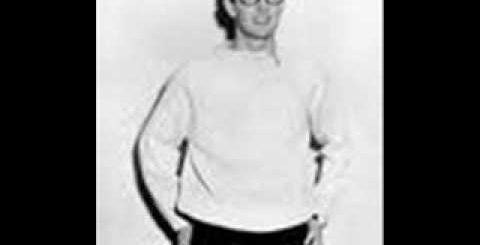
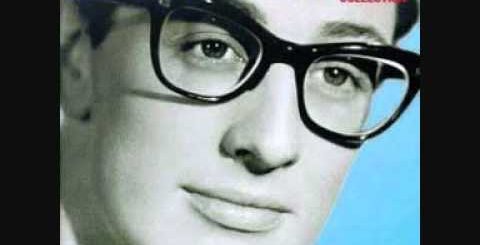
In 1957, a bespectacled young Texan unleashed a tune that would ricochet through the halls of music history, embedding itself into the collective consciousness of rock’n’roll aficionados: ‘That’ll Be the Day.’ On the surface, Buddy Holly’s hit is a catchy, up-tempo track, but dive a little deeper, and it’s apparent that the song is a tapestry woven with threads of defiant heartbreak and endearing optimism.
Infusing his distinctive hiccuping vocals and jangling guitar riffs, Holly birthed a track that feels fresh even in contemporary rotations. But what is the true essence that lies behind this seemingly straightforward proclamation? Let’s decrypt the narrative that Holly expertly captures in under two and a half minutes, unpacking its layers to discover why this record, six decades later, still feels as significant and spirited as ever.
Decoding the Defiance: Holly’s Stand Against Heartbreak
At first listen, ‘That’ll Be the Day’ may come across as a jovial rock melody, an anthem of the times. But it is, in essence, a narrative of love and an impending, half-expected betrayal. The chorus, an earworm that listeners can’t help but sing along to, carries a tone of challenge—it isn’t really about Holly being devastated when his love leaves; it’s an incredulous dismissal of the very possibility.
The voice behind the lyrics seems certain of one thing: love’s permanence is a shaky proposal at best. This isn’t just about a young man’s refusal to accept the end of a relationship—it’s a declaration of emotional independence echoed in the assertion that losing the love will be akin to the end of his life. It’s the ultimate bargaining chip, touted with the bravado only youth can muster.
Juxtaposing Joy and Sorrow: The Upbeat Downbeat
With Holly’s bouncing guitar riffs and that unmistakable beat paving a path towards rockabilly territory, ‘That’ll Be the Day’ ensnares listeners into a rhythm that belies its somber themes. It creates an intriguing dissonance—a happy-sounding track that’s essentially singing the blues of love’s labors lost. Yet, it’s this very dichotomy that makes the song irresistibly relatable.
Holly captures a quintessentially human experience: the need to cloak our pains in something more palatable, to dance even as our hearts weigh heavy. It is a feat of musical alchemy: spinning loss into an almost-celebratory experience; it’s the joyousness of the song that empowers listeners to embrace and own their heartache.
‘Turtle Doving’ to ‘Money Too’: The Lyrical Layers
In the verses, Holly catalogues the expressions of love with an almost sardonic attention to detail—’all your loving and your turtle doving, all your hugs and kisses and your money too.’ There’s a mocking tone to the material and emotional tally, as if to say that these offerings of affection are as fickle and countable as coins.
The specific mention of finances—’your money too’—serves as a nod to the often transactional nature of love, or at the very least, the expectations that can accompany romantic entanglements. The protagonist stands strong against these, perhaps suggesting that no amount of tender love or material wealth is enough to stave off the existential threat of being left.
A Heart Pierced by Cupid’s Dart: The Eternal Struggle with Fidelity
Buddy Holly weaves classical imagery into this rock’n’roll tapestry as he invokes Cupid and the arrow’s aim. There’s a twinge of irony here, as if acknowledging that even cosmic forces like fate and destiny may not be enough to ensure everlasting union.
Perhaps the most poignant aspect of ‘That’ll Be the Day’ is its underlying acceptance that love—no matter how divine in inception—needs more than celestial endorsement. It requires constancy, a virtue that the song’s protagonist appears to simultaneously crave and distrust. It speaks to a perennial human fear: that despite love’s initial fervor, ‘we ever part,’ and that end is not just possible but probable.
The Echo That Never Dies: An Outro of Immortality
The iconic fade-out of the song, with the repeated line ‘Well, that’ll be the day,’ serves as more than just a musical conclusion. It’s an oral tradition, a chorus to be passed down and proclaimed by anyone who’s ever felt the sting of love’s fleetingness. It immortalizes the sentiment, conveying that while love can end, the spirit with which one faces that ending need not diminish.
Buddy Holly’s refrain becomes a kind of mantra, a testament to the human spirit’s resilience against emotional adversity. It is perhaps in this powerful outro that the song finds its most compelling meaning: a promise that as long as there is music and memory, the day love dies, the day our spirits are defeated, is no day at all—it’s an impossibility, as mythical as the love songs that insist differently.