Young Bride by Midlake Lyrics Meaning – Unraveling the Lyrical Tapestry of a Modern Folk Ballad
Lyrics
Why are your shoulders like that
Of a tired old woman,
Like a tired old woman?
My young bride,
Why are your fingers like that
Of the hedge in winter,
Of the hedge in winter?
Polonaise in winter,
Snowshoes and hunters
Carried the goods in for you.
Darkness and forests grant you
The longest
Face made for porridge and stew.
My young bride,
Why aren’t you moving at all,
Helps to make the day seem shorter,
Helps to make the day seem shorter.
My young bride,
Why aren’t you keeping with you
All the ones who really love you,
All the ones who really love you?
Polonaise in winter,
Snowshoes and hunters
Carried the goods in for you.
Darkness and forests grant you
The longest
Face made for porridge and stew.
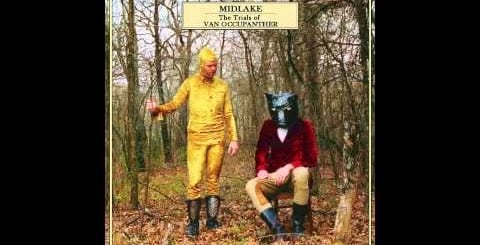
Within the stratified layers of Midlake’s 2006 song ‘Young Bride,’ a myriad of interpretations await. The track, a cornerstone of the band’s critically acclaimed album ‘The Trials of Van Occupanther,’ melds hauntingly melodic folk with introspective lyrics to evoke a sense of historical narrative and personal contemplation.
Balancing between the allegorical and the literal, ‘Young Bride’ sets the stage for a profound exploration of youth, obligation, and the wearying effects of life’s incessant demands. But to unearth the true essence of the song, one must delve deeper beyond the arresting melodies and into the heart of its stirring poetry.
The Weight of Time on Youthful Shoulders
The poignant question posed to the ‘Young Bride’ about her shoulders bearing the burden reminiscent of ‘a tired old woman’ serves as an entry point for listeners. This metaphorical imagery hints at the pressures and responsibilities thrust upon the young, possibly too soon, eroding the vibrancy typically associated with youth.
Coupled with the austere backdrop of winter and isolation, these opening lines evoke a theme of premature aging, where both physical and emotional loads lead to an existential fatigue that one might expect to find at the end of a long life rather than the beginning.
Winter’s Embrace: Metaphor for Emotional Seclusion
The recurring motif of winter, with its ‘snowshoes and hunters’ and ‘darkness and forests,’ goes beyond mere seasonal description. It reflects a barren emotional landscape, where the young bride’s isolation is compounded by the chill of detachment and the survivalist nature of her environment.
This chorus of ‘Polonaise in winter’ suggests a grand, yet stark, dance with nature and existence where the bride’s youth is incongruous with her surroundings—a ‘face made for porridge and stew’ denotes a simplicity and warmth that seem out of reach or somehow unsuited to her.
Folklore and Symbolism: The Bride’s Serene Stoicism
The bride’s static disposition—’Why aren’t you moving at all’— may symbolize a stoic acceptance of her circumstances. The folkloric essence of the song paints a portrait of a figure rooted in tradition and expectation, painting stillness as both a coping mechanism and a resemblance of death or departure from the self.
Traditionally, folk songs convey stories and morals through symbolism, and Midlake taps into this to reflect on the potential loss of individuality that comes with societal roles and the seemingly benign question of why she doesn’t keep ‘all the ones who really love you’ near her, which amplifies the theme of isolation and perhaps forced maturity.
Peering Through the Windowsill: The Song’s Hidden Narrative
Midlake’s ‘Young Bride’ masterfully cloaks its narrative in ambiguity, inviting the listener to peer through the frosty windowsill of its lyrics. Are we witnessing a literal young bride trapped in a loveless marriage, emblematic of women’s historical lack of agency? Or is she a representation of human spirit encumbered by life’s stark realities?
This enigmatic tale serves a dual purpose, speaking both to the personal struggles of relinquishing one’s youthful freedoms and to the broader societal commentary of how convention and expectation shape and sometimes distort the course of our lives.
The Echo of Melancholic Musings: Memorable Lines that Haunt
‘Why are your shoulders like that / Of a tired old woman?’—this lamenting inquiry resonates long after the music fades. Through such memorable lines, Midlake achieves a hauntingly beautiful resonance that mirrors the larger human condition, exposing the depths of sorrow often lying beneath the surface of duty and age.
The lyrics’ stark simplicity belies their complexity, allowing them to seep deeply into the listener’s consciousness and invite an introspective journey that explores the intersection of personal and collective histories, solidifying ‘Young Bride’ as a song that not only tells a story but also becomes part of the listener’s own narrative.