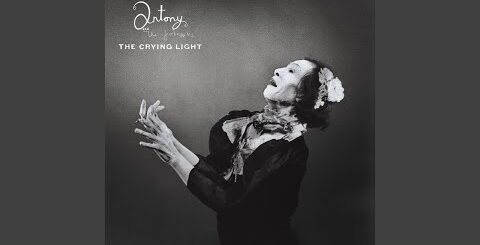
Man Is the Baby by Antony and the Johnsons Lyrics Meaning – Unveiling the Soul’s Lament
Lyrics
I enter your new life for me
Burning for the true day
I welcome your new life for me
Forgive me, let live me
Set my spirit free
Forgive me, let live me
Set my spirit free
Losing, it comes in a cold wave
Of guilt and shame all over me
Child has arrived in the darkness
The hollow triumph of a tree
Forgive me, let live me
Kiss my falling knee
Forgive me, let live me
Bless my destiny
Forgive me, let live me
Set my spirit free
Weakness sown, overgrown
Man is the baby
Forgive me, let live me
Set my spirit free
Weakness sown, overgrown
Man is the baby
Man is the baby
In the haunting melody and poignant lyrics of ‘Man Is the Baby,’ Antony and the Johnsons capture a raw narrative of human vulnerability. This meticulously crafted song is a journey through the trials of the human spirit, delving into themes of forgiveness, rebirth, and the intrinsic fragility of mankind.
The blend of Antony Hegarty’s ethereal voice with the delicate instrumentation sets the stage for a deep introspection that listeners find themselves drawn into. Through evocative lyrics and stirring musicality, ‘Man Is the Baby’ becomes more than a song—it’s an existential exploration into the heart of what it means to be vulnerably human.
A Dive into the Emotional Deep End
The opening lines of ‘Man Is the Baby’ immediately submerge us into a pool of introspective yearning. It’s an admission of a soul in search of something palpably missing—a ‘true day’ that transcends the ordinariness of life. Hegarty’s use of the phrase ‘your new life for me’ suggests a desire for transformation, one offered by an undefined yet deeply significant other.
There’s a burning that underlies these words, a conflagration of the spirit that yearns to be released from chains that bind it. The visceral imagery here is not only of seeking but finding—a process of entering into a new existence that promises to quell the raging internal fires.
The Duality of Plea and Power
The recurring plea, ‘Forgive me, let live me, Set my spirit free,’ serves a dual purpose. On one hand, it resonates as a chant for liberation, expressing a profound need for absolution and freedom. On the other, it’s a chant of power, each repetition growing bolder, more insistent.
The plea interweaves personal accountability and the acknowledgment of human weakness with the assertion of strength found in the act of seeking forgiveness. It’s a dichotomy of submission and emergence, reflecting the complexity of the human condition.
The Chilling Embrace of Guilt and Destiny
As the song progresses, evidence of the human struggle becomes more visceral: ‘Losing, it comes in a cold wave / Of guilt and shame all over me.’ Here, Hegarty touches upon the profound impact of guilt, a universal emotional tide that can drown even the strongest of spirits.
Yet, in this place of darkness and perceived defeat, a ‘child has arrived.’ This symbol of innocence and new beginnings—a ‘hollow triumph of a tree’—is paired with the song’s theme of redemption. Even in the most barren of places, there is the potential for growth and transformation.
The Enlightening Irony of Weakness and Dependency
Perhaps the song’s most arresting line, ‘Weakness sown, overgrown / Man is the baby,’ unfolds as the crux of the entire piece. The imagery is rich—a man, grown or overgrown, remains fundamentally a baby, enveloped by weakness and a need for nurturing.
This paradoxical strength in accepting one’s own vulnerability highlights a profound truth: that within our weakest moments lies the potential for the most significant form of growth. Antony seemingly elevates vulnerability to a place of honor, making it the very linchpin of human experience.
Eternal Cycle of Fall and Redemption
It’s no coincidence that ‘Forgive me, let live me / Set my spirit free’ bookends the core message of the song. These lines are a testament to the ongoing cycle of fall and redemption that form the fabric of human existence.
Through ‘Man Is the Baby,’ Antony and the Johnsons present a lyrical microcosm of our perpetual striving for grace amid the fragility of our own nature. It’s a timeless story of the human spirit’s quest for peace, presented with a tender honesty that resonates with our deepest selves.