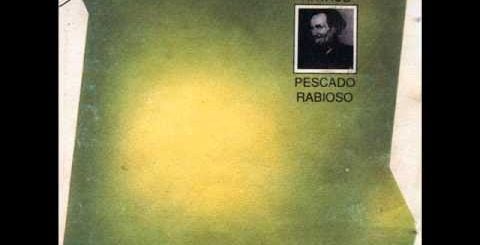
Bajan by Pescado Rabioso Lyrics Meaning – Unveiling the Depths of a South American Psychedelic Masterpiece
- Music Video
- Lyrics
-
Song Meaning
- Time Flows, Perception Shifts: Embracing the Tempo of Existence
- A Sunless Day, A Voiceless Night: The Canvas of Change
- Craving the Sun, Embracing the Moon: The Balance of Desire
- The Eternal Oak and The Gaze Eternal: Symbols of Natural Permanence
- A Deep Dive Into The Hidden Meaning: The Layers Beneath ‘Bajan’
Lyrics
Para saber
Si lo que sueño
Concluye en algo
No te apures
Ya más loco
Porque es entonces
Cuando las horas bajan
El día es vidrio
Sin sol
Bajan
La noche, te oculta la voz
Y además
Vos querés sol
Despacio
También podés hallar la luna
Viejo roble del camino
Tus hojas siempre
Se agitan algo
Nena, nena
Que bien te ves
Cuando en tus ojos
No importa
Si las horas bajan
El día, se sienta a morir
Bajan
La noche, se nubla sin fin
Y además
Vos sos el sol
Despacio también
Podes ser la luna
Amidst the tumultuous backdrop of early 70s Argentina, Pescado Rabioso’s ‘Bajan’ emerged as a haunting melody that encapsulated the era’s socio-political unease and the personal battles of its frontman, Luis Alberto Spinetta. Classic rock aficionados often reminisce about this period for its raw, unfiltered creativity, yet the esoteric allure of ‘Bajan’ transcends the confines of its time, offering a timeless meditation on the human experience.
To this day, listeners find themselves enveloped in the enigmatic embrace of Spinetta’s lyrics, which effortlessly fuse poetic introspection with a gentle reminder of nature’s enduring rhythm. Understanding ‘Bajan’ necessitates not just a deep-dive into the complex fabric of its words, but also an appreciation for the cultural and existential tides it both reflects and resists.
Time Flows, Perception Shifts: Embracing the Tempo of Existence
At the heart of ‘Bajan’ lies the persistent pulse of time – a theme as old as song itself, but delivered here with an urgent gentleness that suggests a serene acceptance of its flow. ‘Tengo tiempo / Para saber / Si lo que sueño / Concluye en algo’ (I have time / To know if what I dream / Concludes in anything) opens the piece not with the fatalism of dreams unfulfilled, but with the patient curiosity of one whose understanding of life’s ebb and flow is deeply ingrained.
This philosophical rumination is pared down through Spinetta’s soothing delivery, opposing the cultural backdrop of his era, which was drenched in political upheaval and suppression. In a way, he implores us to step out of our obligatorily frenzied orbits and instead allows our dreams the space to breathe, mature, and, potentially, to crystallize into reality.
A Sunless Day, A Voiceless Night: The Canvas of Change
Spinetta’s lyrical mastery illustrates a stark world with vivid metaphors: ‘El día es vidrio / Sin sol’ (The day is glass / Without sun). Here, time itself seems to hold its breath, awaiting a transformation. The day as glass is a day that can either illuminate or refract, it’s up to the nature of the light. In the backdrop, time trickles down, ‘las horas bajan’ (the hours go down), like sand in an hourglass, unburdening the day of its weight.
‘Bajan / La noche, te oculta la voz’ (The night falls, hides your voice) further develops the theme of transformation and silence. Through the tapestry of nightfall, one’s voice—perhaps one’s will or identity—becomes shrouded. Here, Spinetta touches a universal nerve; we’ve all known disappearance within the crevices of the dark, only to seek, just as he posits, the solace of resurgence in light.
Craving the Sun, Embracing the Moon: The Balance of Desire
‘Y además / Vos querés sol’ (And besides / You want sun) speaks of a yearning for clarity, warmth, and vision, which the sun symbolically provides. However, ‘Despacio / También podés hallar la luna’ (Slowly / You can also find the moon) is the acceptance of the alternate path, one less illuminated but equally vital. This call for balance feels particularly poignant, gently nudging us to find harmony between our pursuit of brightness and the wisdom found in the quiet glow of the moon.
Spinetta resists offering this as mere advice but instead presents it as an option, a potential choice we harbor within us. It’s this nuanced understanding of desire and fulfillment that enriches ‘Bajan,’ casting it as an anthem for the introspective soul.
The Eternal Oak and The Gaze Eternal: Symbols of Natural Permanence
The ‘Viejo roble del camino’ (Old oak of the road) is perhaps the most potent symbol in ‘Bajan,’ epitomizing the enduring cycle of life that persists despite the winds of change. ‘Tus hojas siempre / Se agitan algo’ (Your leaves always / Shake a little), reflects life’s inevitable trembles – the disturbances that rattle us but also demonstrate our resilience.
Within the same stanza, Spinetta appears to divert attention to a young woman, but it’s likely he’s drawing a parallel between the oak and the person gazed at. Both are symbols of beauty and strength, reminding us that we, too, partake in nature’s indomitable dance.
A Deep Dive Into The Hidden Meaning: The Layers Beneath ‘Bajan’
On a closer listen, ‘Bajan’ reveals layers of emotional subtext likely intertwined with Spinetta’s personal struggles and broader socio-political commentary. When dissecting the lines ‘El día, se sienta a morir’ (The day, sits down to die), we encounter a narrative which might reflect on the oppressiveness of the military regime of the time, where each day seemed to surrender its potential to the overarching shadow of tyranny.
Moreover, the recurring motif of solace found in celestial bodies could be interpreted as a nod to the quest for freedom; a resistance to authoritarian darkness. Whilst ‘vos sos el sol’ (you are the sun) bestows empowerment to the listener or the muse, indicating that despite the cascading night, each individual possesses the innate ability to rise and shine.