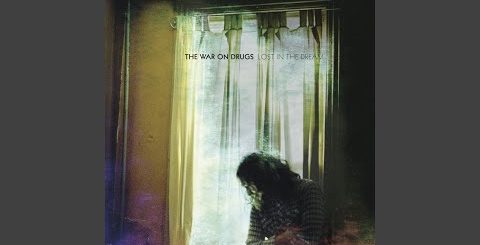
Lost in the Dream by The War on Drugs Lyrics Meaning – Unraveling the Profound Layers of Introspection
Lyrics
Or just the silence of a moment
It’s always hard to tell
Down in the way
They cut it open and they sold it
It’s always hard to tell
I saw a soldier man
And he locked his eyes like they were rings
Ooh but it’s hard they can’t resist
You may risk it all
You’d risk it all for the memory
But it’s living under your skin
Love’s the key to the things that we see
Ain’t no mind in chasing
Leave the light on in the yard for me, oh
When we were the same
We stroked our arms and we wore them thin
Ah the sadness it was in
But you don’t miss it man
You got it all like a memory
Now it’s living under your skin
Love’s the key to the games that we play
But don’t mind losing
Love’s the key to the things that you see
But you don’t mind moving
It’s a door in the dark of the way
It’s the key in the dark for the spark
Love’s a game; run away the same
Oh, all the way
The War on Drugs, known for their expansive sonic landscapes that draw listeners into a world of poignant emotion and thoughtful introspection, have crafted a masterpiece in their song ‘Lost in the Dream’. This track, a centerpiece of the eponymous album, weaves a tapestry of existential contemplation, expertly infusing indie-rock sensibilities with lush, heartland soundscapes.
But beneath the sprawling instrumentals lies a profound lyrical subtlety, exploring themes of memory, identity, and the intangible struggle between holding on and letting go. This article delves into the intricate layers behind ‘Lost in the Dream’, seeking to uncover the hidden meanings and the emotional resonance that sets this song apart as one of The War on Drugs’ most evocative pieces.
The Soldier’s Gaze: A Metaphor for Internal Conflict
The imagery of a ‘soldier man’ and his locked eyes suggests a confrontation with an internal adversary. These ‘rings’ of gaze symbolize the circular, recurring battles one faces within the confines of their mind. It’s a profound reflection on the relentless nature of personal struggles, where one can feel ‘cut open’ and exposed, reminiscent of how vulnerability often feels like being dissected and scrutinized.
As the lyrics unspool, there’s a suggestion that this battle is timeless and universal—as old as memory itself. The notion that ‘love is the key to the things that we see’ acts as a gentle reminder that our struggles do not define us, but rather, it’s the capacity for love and understanding that molds our perception.
Chasing Shadows: The Elusive Nature of Memory
‘You may risk it all for the memory,’ the song confesses, laying bare our intrinsic desire to cling to the past. Memories can be like ghosts haunting the periphery of our consciousness, tantalizingly out of reach yet an inseparable part of our identity. This line resonates with the listener, inviting them to reflect on their own shadowy recollections and the lengths they’ve gone to preserve or escape them.
The dream-like state referenced in the title could be interpreted as the liminal space occupied by these memories. It’s a transient, illusory realm where the lines between what was, what is, and what might be are blurred, each moment suffused with an ache for clarity amid the disquieting silence of forgetfulness.
Unlocking The Auroral Gateways of Perception
The song repeatedly hammers home the message that ‘love’s the key.’ This isn’t a simple platitude; rather, it’s a profound declaration that love – in all its forms – has the power to unlock new perspectives. It’s a force that can illuminate dark pathways and bring warmth to cold, forsaken places. Here, love is not merely an emotion, but a transformative power capable of altering our interactions with the world.
There’s wisdom in the lyrics suggesting the willingness to lose in the ‘games we play’ as if to say there is strength in surrender, acknowledging that sometimes the act of releasing is the catalyst we need to truly move forward. Love, then, is presented as a means of transcending the ego and embracing a more unified state of being.
The Haunting Power of Nostalgia
‘When we were the same,’ hearkens back to a shared past, echoing with the rustle of ‘arms…worn thin.’ This line encapsulates the weariness that comes from long-held connections, suggesting a commonality or a kinship that has endured trials of time. Yet, with ‘the sadness it was in,’ it also speaks to a collective melancholy, a nostalgia that doesn’t just evoke warmth but a poignant sense of loss.
Memory is immortalized under the skin—a permanent tattoo of experience that shapes every action and every thought. It begs the question—how much of our present self is just a ghost of who we once were, living out a dream that we’ve long since awakened from? The song’s exploration of nostalgia is as complex as it is bittersweet, dissecting the beauty and the sorrow interwoven in the fabric of reminiscence.
Memorable Lines: Echoes of a Universal Solitude
Certain phrases in ‘Lost in the Dream’ linger long after the song has ended, like ‘Leave the light on in the yard for me.’ This plea, at once desperate and hopeful, conveys the universal longing for a beacon to guide us back home—whether that home is a place, a person, or a feeling. It serves as a metaphor for the search for understanding and acceptance, and the comfort found in even the faintest glimmers of hope.
Furthermore, the repetition of ‘it’s always hard to tell’ stands out as a refrain for the ambiguity of life. In the pursuit of love, truth, and meaning, the song emphasizes that certainty is a rare luxury, and often we are navigating through a fog of emotions and half-truths, trying to make sense of the dreamlike sequences of our existence.