3055 by Ólafur Arnalds Lyrics Meaning – Unraveling the Ethereal Soundscapes and Poetic Sorrow
Lyrics
And your eyes like smoke and your prayers like rhymes
And your silver cross and your voice like chimes
Oh, who do they think could bury you?
With your pockets well-protected at last
And your streetcar visions which you place on the grass
And your flesh like silk and your face like glass
Who could they get to carry you?
Sad-eyed lady of the lowlands
Where the sad-eyed prophet says that no man comes
My warehouse eyes, my Arabian drums
Should I put them by your gate, or sad-eyed lady, should I wait?
With your sheets like metal and your belt like lace
And your deck of cards missing the jack and the ace
And your basement clothes and your hollow face
Who among them did think he could outguess you?
With your silhouette when the sunlight dims
Into your eyes where the moonlight swims
And your matchbook songs and your gypsy hymns
Who among them would try to impress you?
Sad-eyed lady of the lowlands
Where the sad-eyed prophet says that no man comes
My warehouse eyes, my Arabian drums
Should I put them by your gate, or sad-eyed lady, should I wait?
The kings of Tyrus, with their convict list
Are waiting in line for their geranium kiss
And you wouldn’t know it would have happened like this
But who among them really wants just to kiss you?
With your childhood flames on your midnight rug
And your Spanish manners and your mother’s drugs
And your cowboy mouth and your curfew plugs
Who among them do you think could resist you?
Sad-eyed lady of the lowlands
Where the sad-eyed prophet says that no man comes
My warehouse eyes, my Arabian drums
Should I put them by your gate, or sad-eyed lady, should I wait?
Oh, the farmers and the businessmen, they all did decide
To show you where the dead angels are that they used to hide
But why did they pick you to sympathize with their side?
How could they ever mistake you?
They wished you’d accepted the blame for the farm
But with the sea at your feet and the phony false alarm
And with the child of the hoodlum wrapped up in your arms
How could they ever have persuaded you?
Sad-eyed lady of the lowlands
Where the sad-eyed prophet says that no man’s come
My warehouse eyes, my Arabian drums
Should I put them by your gate, or sad-eyed lady, should I wait?
With your sheet metal memory of Cannery Row
And your magazine husband who one day just had to go
And your gentleness now, which you just can’t help but show
Who among them do you think would employ you?
Now you stand with your thief, you’re on his parole
With your holy medallion in your fingertips now enfold
And your saintlike face and your ghostlike soul
Who among them could ever think he could destroy you?
Sad-eyed lady of the lowlands
Where the sad-eyed prophet says that no man comes
My warehouse eyes, my Arabian drums
Should I put them by your gate, or sad-eyed lady, should I wait?
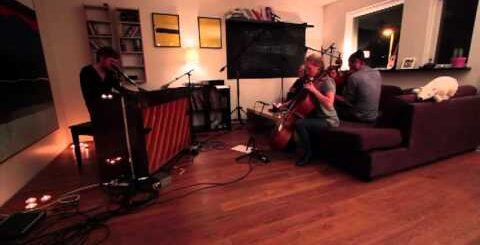
Íslenski tónlistarmaðurinn Ólafur Arnalds has long been captivating audiences with his ethereal melodies, each a sonnet without words, evoking scenes as only music can. ‘3055’ is no ordinary track; it’s an ambient odyssey whose title alone piques the curiosity of listeners and beckons them into the composer’s introspective realm.
With no conventional lyrics to speak of, the ‘lyrics’ you provided are actually from Bob Dylan’s ‘Sad-Eyed Lady of the Lowlands’. This discrepancy opens the door for a unique and profound analysis, blending the plaintive imagery of Dylan’s words with the emotional resonance of Arnalds’ composition to examine the universal theme of melodic storytelling.
A Lyrical Mirage: When Dylan’s Verse Meets Arnalds’ Melody
Imagine Ólafur Arnalds’ instrumental ‘3055’ painted with the literary brush of Dylan’s ‘Sad-Eyed Lady of the Lowlands.’ The result is a kaleidoscopic fusion, where instrumental melancholy meets the weight of poetic musings. It’s a hypothetical collaboration across time and genre, asking ‘What if?’ music spoke the thoughts we dare not say aloud.
Arnalds’ haunting piano notes become the undercurrent to Dylan’s mystical woman – a sad-eyed muse whispered about among those who know the prophetic words. Together, the melody and the poetry dance, leaving a trail of reflective questions about love, existence, and the enigma of being.
The Threads of Time: Envisioning 3055’s World
While the song possesses no lyrics of its own, ‘3055’ opens a portal to a soundscape that births countless stories. Each piano key is a strand of time; together, they weave a tapestry where the past merges with the future. What will the year 3055 hold? Arnalds doesn’t tell us with words, he shows us with emotion.
Listeners are transported to places seen only by closing their eyes – where ‘streetcar visions’ are as vivid as Dylan’s lyrics and as transient as Arnalds’ fading notes. ‘3055’ isn’t about one story; it’s the backdrop for a myriad tale that each soul can narrate.
Behind the Veil: The Hidden Meanings of Melancholy Meditations
In the absence of lyrics, Ólafur Arnalds’ composition speaks in volumes of emotive peaks and valleys. ‘3055’ becomes a canvas on which listeners project their deepest longings and sorrows. It’s a reflection of what we bury within – the ‘silver crosses’ and ‘prayers like rhymes’ we carry through life.
Are the melodies a solace or a reminder of trials faced? Just as Dylan’s verse wonders about burial, ‘3055’ may too be an elegy for the parts of us we’ve lost or hidden. Each pause is a contemplation, each crescendo a resurrection of dormant dreams and desires.
Through the Looking Glass: Reflections on Memorable Motifs
Without lyrics, ‘3055’ challenges us to find memorable lines within its haunting composition. Yet, as the final note lingers, it’s clear that the entire track is a memorable statement. The rising swell of strings, the persistent, gentle piano – each a memorable line etched not in ink, but in memories and feelings.
As Dylan’s ‘Sad-Eyed Lady of the Lowlands’ contemplates the observer’s role, Arnalds’ composition might similarly be asking its listeners – will you wait by its metaphorical gate, or will you step forward into its landscape of sound and let the impressions fall where they may?
An Ode To Human Emotion: The Timeless Appeal of ‘3055’
Arnalds’ ‘3055’ transcends the need for words through its visceral portrayal of human feeling. Like Dylan’s intricate storytelling, the track holds a mirror to our inner workings – a testament to the enduring power of music and poetry in articulating the human condition.
In this uninterrupted journey of notes and cadences, listeners find common ground – a tribute to how we are bound by shared experiences, even in silence. ‘3055’ lingers on, proving that sometimes the most profound meanings are found in the spaces between the sounds we hear and the words we speak.