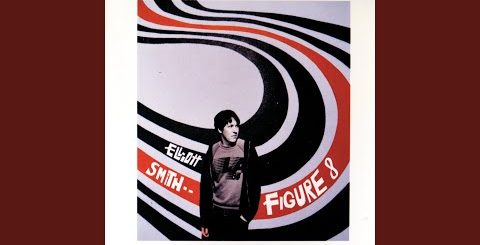
Strung Out Again by Elliott Smith Lyrics Meaning – Decoding the Lyrical Labyrinth of Desolation and Reflection
- Music Video
- Lyrics
-
Song Meaning
- Behind the Words: Unmasking the Façade of Well-being
- The Haunting Refrain: ‘I Know How I Begin And How I’ll End’
- Invisible Changes and Inescapable Paths: ‘Some Things They Just Change Invisibly’
- The Mirror’s Gaze: Bravery and the Quest for Self-Knowledge
- Metaphorical Currents: ‘A Tide’s Coming In And I’m Strung Out Again’
Lyrics
I saw a rich fuck giving charity
Saw an evil emperor
Wearing my clothes
They’re far from the best
But they might suit you better than the rest
Just looking in the mirror
Will make you a brave man
I know my place
Hate my face
I know how I begin
And how I’ll end
Strung out again
Was a parliament of owls
Fly over a city of canals
Floating on the body
Floating in the Dalles
You get what you see
But some things they just change invisibly
I don’t know where I’m going
And I don’t even want to know
They’re far from the best
But they might suit you better than the rest
Just looking in the mirror
Will make you a brave man
Standing, smiling
On some fantasy island
Looking at my lost reflection again
But a tide’s coming in
And I’m strung out again
Strung out again
Peering into the abyss of human vulnerability, ‘Strung Out Again’ stands as a stark testimonial to Elliott Smith’s masterful ability to weave together threads of despair and self-awareness. Through its deceptively simple arrangement and haunting lyricism, the track holds up a mirror to the darkest corners of the soul, delineating a landscape fraught with personal demons.
Each chord and verse feels like a carefully extracted piece of Smith’s tumultuous psyche, laid bare for the listener to interpret. This song is not merely a bout of confessional poetry set to music but a complex narrative that asks one to read between the lines and confront the uncomfortable.
Behind the Words: Unmasking the Façade of Well-being
The juxtaposition of a ‘rich fuck giving charity’ and an ‘evil emperor wearing my clothes’ casts a grim portrait of Smith’s worldview. These images invoke a sense of duplicity in altruism and identity – a society that dresses its ills in finery and pretense. It challenges listeners to question what lies beneath the surface of what they can observe, urging a deeper, more critical look at both external appearances and internal truths.
Smith’s self-reflection borders on self-loathing as he recognizes ‘his place’ and ‘hates his face.’ It’s an unflinching acknowledgment of his personal struggle with self-identity and loathing that crafts a bond with audiences who find resonance in his raw examinations of the self.
The Haunting Refrain: ‘I Know How I Begin And How I’ll End’
Repeated for emphasis and evoking resignation, these lines encapsulate a cyclical view of existence. There’s a fatalistic tone, perhaps reflecting Smith’s struggle with addiction and depression, suggesting a predestined course that loops back to the addiction ‘Strung out again.’
It serves as an eerie foreshadowing that fans cannot help but tie back to Smith’s own tragic end, prompting introspection about the struggles that many face when caught in the relentless grip of their own vices.
Invisible Changes and Inescapable Paths: ‘Some Things They Just Change Invisibly’
Smith crafts a narrative that deftly touches on the concept of imperceptibility in change. This line stirs the recognition that personal revolutions occur beneath the surface, hidden from the eyes of others, and sometimes even from ourselves. These ‘invisible’ changes underpin the loneliness of internal battles, grappling with issues unseen and often unshared.
Despite the changes wrought, perhaps by time or experience, the feeling of stagnation or powerlessness is palpable as he confesses, ‘I don’t know where I’m going, and I don’t even want to know.’ It signals a surrender to life’s aimless drift which can be seen as either despairing or liberating.
The Mirror’s Gaze: Bravery and the Quest for Self-Knowledge
Confronting one’s reflection is a recurring centerpiece in Smith’s lyrical exposition. It’s a ritualistic examination for truth, as ‘just looking in the mirror will make you a brave man.’ Here, Smith posits that bravery isn’t found on battlefields but in the act of self-confrontation and acceptance.
There is an underlying suggestion that in recognizing one’s flaws and history, there is a potential for strength. However, the dissonance between Smith’s internal struggle and this stoic assertion complicates the narrative, presenting bravery as a complex and perhaps tragic endeavor.
Metaphorical Currents: ‘A Tide’s Coming In And I’m Strung Out Again’
Utilizing natural phenomena to reflect on personal episodes, Smith speaks of being ‘strung out again’ as the inevitable tide approaches. There is an undeniable poetry in the tide – a force of nature that is both predictable and uncontrollable, mirroring the back-and-forth fight with his own afflictions.
The imagery here is powerful, suggesting both a cleansing and a danger; a tide that can wash clean just as readily as it can overwhelm. Perhaps, in admitting the return of his struggles with addiction, there is an admission of a natural cycle – relentless, expected, and as much a part of him as the sea is to the shore.