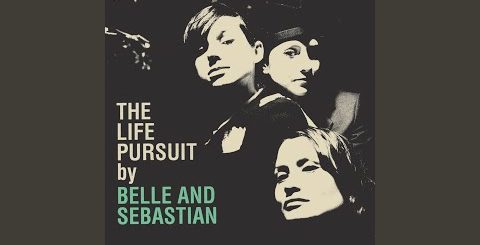
You Don’t Send Me by Belle and Sebastian Lyrics Meaning – The Chronicles of Apathy and Change in Modern Love
Lyrics
I’m a little bored
When I see you out, maybe walking in the street
You always cross the road
Listen honey, there is nothing you can say to surprise me
Listen honey, there is nothing you can do to offend me anymore
You don’t send me anymore
Our little scene is getting smaller by the day
It’s a human zoo
But the key is change, getting over all your problems
You’re not a fool
Listen honey, there is nothing you can say to surprise me
Listen honey, there is nothing you can do to offend me
You don’t send me
Every sound is tame, every group the bleedin’ same
It would make you mad
What happened to the sounds that left you lying on the floor
Laughing, crying, jumping, singing
Listen honey, there is nothing you can say to astound me
Listen honey, there is nothing you can do to offend me anymore
You don’t send me anymore
Hidden beneath a veneer of melodic lightness, Belle and Sebastian’s ‘You Don’t Send Me’ is a poignant musing on change, the cessation of awe, and the slow descent into indifference that marks the end of many modern relationships. The Scottish indie pop band, known for their introspective lyrics and charismatic melodies, weave a narrative of emotional detachment and the desire for evolution in both personal and artistic realms.
While at first listen, the tune might sound like another piece of indie pop sweetness, a deeper dive into the lyrics reveals a complex story of disillusionment. It’s a soundtrack to an all-too-familiar feeling in a world oversaturated with stimuli, where even the pursuit of passion can turn to banality.
Boredom in the Aftermath – ‘I’m a Little Bored’
The opening line ‘Since you went away, everything is looking great / I’m a little bored’ sets a paradoxical stage. It hints at the relief often felt when shedding the weight of a stagnant relationship. However, accompanying this newfound freedom is an undeniable sense of ennui. The speaker acknowledges a quieter life, one that lacks the turmoil of love’s ups and downs, indicating a struggle between the contentment of peace and the thrill of disarray.
This sense of boredom speaks volumes about modern love’s challenges. In an age where options seem endless and novelty reigns supreme, it becomes increasingly difficult for anything or anyone to hold our attention for long. The song masterfully encapsulates the ennui that results from the absence of tumultuous emotion once deemed vital.
The Self-Assured Lover – Asserting Emotional Immunity
‘Listen honey, there is nothing you can say to surprise me / Listen honey, there is nothing you can do to offend me anymore’ – these words exude a confidence tinged with melancholy. The repeated ‘Listen honey’ is less of an invitation and more of a declaration; the speaker seems to have reached a state of emotional invulnerability and apathy.
The phrase ‘You don’t send me anymore’ isn’t just about unmet expectations or failed communications; it’s a resignation. The realization that the sender no longer has the ability to stir emotions is both liberating and tragic. It mirrors the end of the honeymoon phase of a relationship where the other’s quirks and communication become predictable, no longer ‘sending’ waves of excitement or distress.
An Indie Pop Portrait of Stasis and Evolution
In a reflection on the wider indie pop scene, ‘Our little scene is getting smaller by the day / It’s a human zoo’ the song suggests a stagnancy not just in personal relationships, but also in artistic cultures. The song comments on the predictability and homogeneity that can afflict music scenes once they become insular ‘human zoos’.
Yet in the critique, there is hope. ‘But the key is change, getting over all your problems / You’re not a fool’ – the song urges for renewal and growth. As much as it is a song about a relationship, it’s a call for creative rebirth, to never settle for sameness, and to strive to overcome the creative challenges that lead to stagnation.
Nostalgia for an Electric Past – ‘What Happened to the Sounds’
Reflecting on lost vibrancy, the song mourns for the ‘sounds that left you lying on the floor / Laughing, crying, jumping, singing.’ It’s a sentimental yearning for a time when music – or love – had the power to elicit raw, physical reactions.
This longing is not just for the intensity of emotion, but also for the sense of connection and community that shared, heightened experiences bring. It’s a lament for the rush of sensations now diminished to uniformity, hinting at the transformation of a personal or communal scene that once thrived on diversity and unpredictability.
The Lingering Question – Can Apathy Be Overcome?
The sentiment that resonates throughout ‘You Don’t Send Me’ begs the question – what happens when nothing can surprise or offend us anymore? Has constant exposure to the ever-changing, ever-present feeds of stimulation left us numb?
In the dissection of such lyrics, we find Belle and Sebastian not only describing a personal or musical impasse but also making a broader cultural commentary: in a landscape saturated with stimuli, the challenge lies not in finding newness, but in allowing ourselves to be moved by it once again. The answer to overcoming apathy may lie within our willingness to change, to delve into the unknown, and perhaps, to cross the road when we meet love – old or new – once again.