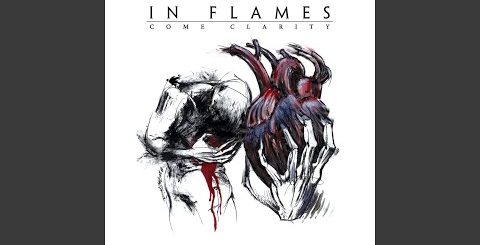
Resin by In Flames Lyrics Meaning – Diving Into the Depths of Existential Battles
Lyrics
Through renewal it brought
And a month seems sometimes shorter
Than a half nights longing
Hidden and hard are the reasons for war
Polar twist, invert and flea
I can’t dissolve this feeling of mine
But patience will unlock the door
And the maps of reasons re-written for me
When the wait is over and the punishment is due
Each day I crawl to the hall of the giants
And I beg for mercy –
And I beg for mercy in vein
One night is a mare – two is worse
How can I manage three?
Swedish melodic death metal giants In Flames are no strangers to evoking complex emotions through their music. ‘Resin’—a track from their storied discography—stands as a poignant example of their lyrical depth and musical intensity. At first glance, this piece might just seem like another testament to the band’s keen eye for both melody and aggression. But a closer look at the lyrics reveals a multi-layered exploration of inner turmoil, perseverance, and the passage of time.
As we dissect the cryptic verses and align them with the thunderous riffs that have become synonymous with In Flames’s signature sound, ‘Resin’ emerges as a narrative steeped in personal struggle and existential reflection. What at first might seem simply as a lamentation on sorrow reveals a deeper inquiry into the self and the constants of change and suffering that mark the human experience.
Unraveling the Enigma of Endless Nights
Resin, in its very essence, captures the claustrophobic experience of incessant inner conflict. The lyrics depict an individual grappling with the concept of time and its deceiving nature—’a month seems sometimes shorter than a half night’s longing.’ This juxtaposition of temporal measurements is more than poetic architecture; it’s a raw confession of how agony warps our sense of reality.
The utilization of nights as a metric for suffering is a powerful artistic choice. It speaks to the way darkness and sleeplessness can inform our existential dread, elongating our perception of time when in the throes of despair. Each verse serves as a stark reminder that time is not only a chronological marker, but also an emotional spectrum.
The Symmetry of Agony: Twist, Invert, and Flea
Metadata in the song’s prose comes to light with the line ‘Polar twist, invert and flea,’ hinting at the duality of reason and emotion. In the narrative of ‘Resin,’ we find a confrontation with the self, where one’s logic (‘Polar twist’) and instinct (‘invert’) clash, leading to the irresistible urge to flee or escape (‘flea’) the mental warfare unfolding within.
We could theorize that the ‘twist’ and ‘invert’ imagery may also touch upon the internal struggle to align moral compasses with personal desires. Here the resin becomes symbolic—an adhesive trapping the protagonist in a state of perpetual conflict, gelling the abstract anxiety that holds them hostage.
Patience as the Keymaster to Liberation
The resolve within the distress of ‘Resin’ is manifested in the soothing promise, ‘patience will unlock the door.’ Beneath the surface-level austerity lies a surprising undercurrent of hope. It suggests that within the self-induced prison of anxiety and the cruel passage of days lies the potential for emancipation through perseverance.
Patience, in this context, is an empowering motif. It’s an affirmation that despite the continuous torment—the relentless ‘crawling to the hall of the giants’—there is redemption waiting. The songs weaves this message intricately, positing that, although the way out is tedious and obscured, it exists.
Quest for Mercy: The Labyrinthine Struggle
In the call ‘And I beg for mercy – And I beg for mercy in vain,’ lies the futility and exhaustion of seeking reprieve from the giants of one’s own making. The ‘giants’ here are metaphorical, possibly representing overwhelming emotions, memories, or life challenges that tower over the individual.
The repeated begging for mercy that falls on deaf ears encapsulates a cycle of hopelessness. Yet, within the potent vocals and the driving force of the instrumentals, the bid for mercy also stirs a sense of rebellious unwillingness to concede to defeat. It breathes life into the universal plight for peace amidst inner chaos.
Echoes of the Memorable Line: Managing the Unbearable
‘One night is a mare – two is worse. How can I manage three?’ The tiered escalation of dread articulates a pervasive existential question—how does one endure a continuous barrage of suffering? This climactic point of the song stands as a rueful acceptance of the cumulative nature of torment and a challenge to the listener’s own resilience.
The poetic construct of ‘mare,’ suggesting both a nightmare and a burdensome female horse, enriches the textual imagery and underscores the oppressive weight each ‘night,’ or challenge, brings. The literal counting exposes the inevitability of confronting each ordeal while subtly questioning the limits of human endurance.