Carta Pra Amy by Black Alien Lyrics Meaning – Unveiling the Depths of Self-Reflection and Social Commentary
Lyrics
Faz mais um furo no cinto, faz mais sentido
Fluindo no instinto, magro e drogado
Listen to the lesson, lição sem vinho tinto, mil grau
Sessenta e blau o grau alcoólico do absintho
Cheiro de flor boa no recinto e tal
Também tem cheiro de inveja
Boiando no assunto que nem vitória régia
E o que rege a planejo, Deus ri, mas admira a minha estratégia
Até que o significado da palavra se dilui
Ainda sou o Gustavo, filho de Dona Gizelda e Seu Rui
Boa idéia pra deleite da platéia
Vai que vai, eu fui que fui
Pego as nuvens nas mãos e torço a chuva delas
Segura de baixo meu bem, é o esculacho, preparem suas umbrellas
Vencer a mim mesmo é a questão, questão que não me vence
Minha cabeça falante fala pra caralho e aí my talking head stop makin’ sense
Eu vim de onde tudo é imediato, ‘tô descalço e no sapato
Quando legalizarem a planta, qual vai ser o seu assunto? Cara chato
Habito as fronteiras da travessia do espelho, point of no return
No confinamento as paredes são minhas páginas de cimento, babylon burn
Jurei por Deus que ia acertar as contas
E aí lembrei que é Deus quem acerta as contas
Ele acerta no início, no meio, e no fim das contas
Quem somos nós nesse mundo complicado?
Danger zone, sou só mais um
Sente o som e o peso da pata do pirata sem garrafa de rum
Mostre-me um homem são e eu o curarei
You’re runnin’ and you’re runnin’ and you’re runnin’ away
Não posso correr de mim mesmo eu sei, nunca mais é tempo demais
Baby, o tempo é rei
Em febre constante e o dom da cura nem mais um instante sem o som e a fúria
Não posso correr de mim mesmo eu sei nunca mais é tempo demais
Baby, o tempo é rei
Se um dia a coragem foi líquida, agora ela é sólida, irmão
Tenho não só que lidar com a vida, lido com ela sem pó e sem dó então
Sozinho eu ‘tô em má companhia, ‘tá ligado
Nem durmo mais tanto
Linha por linha, de café e águinha, sempre hidratado pro próximo pranto
O sol nasce e eu trabalho, eu trabalho e o sol se põe
Vagabundo acha que é fácil, não trabalha e só supõe
Que se eu não mudar, nada muda
Vários furos de brasa na bermuda
Insone
O ano voa, cochilo em Maio
Sonho com o ensaio, e já tem panetone
Juventude sônica, um por cento de chance, noventa e nove de fé
Minha trajetória é orgânica que nem o meu café
Às cinco em ponto encontro vocês
Tenho um aneurisma marcado pras seis, pontual
Viciado em caos, amanhã tudo outra vez, Ritual de Lo Habitual
E o que eu quero e o que eu preciso nem se reconhecem quando se encontram na rua
Faço o que é preciso, você me conhece
Meu canto te encontra na rua
Lá onde Kurt é rei, Rakim é deus, Nina Simone manda
Extrapunk é lei, então toca o play do Black Flag na varanda
Mostre-me um homem são e eu o curarei
You’re runnin’ and you’re runnin’ and you’re runnin’ away
Não posso correr de mim mesmo eu sei, nunca mais é tempo demais
Baby, o tempo é rei
Em febre constante e o dom da cura nem mais um instante sem o som e a fúria
Não posso correr de mim mesmo eu sei nunca mais é tempo demais
Baby, o tempo é rei
Mostre-me um homem são e eu o curarei
You’re runnin’ and you’re runnin’ and you’re runnin’ away
Não posso correr de mim mesmo eu sei, nunca mais é tempo demais
Baby, o tempo é rei
Em febre constante e o dom da cura nem mais um instante sem o som e a fúria
Não posso correr de mim mesmo eu sei nunca mais é tempo demais
Baby, o tempo é rei
In a hypnotic confluence of raw beats and poignant prose, Black Alien’s ‘Carta Pra Amy’ unfolds as an intimate conversation stretching beyond its title, alluding to a personal epistle that is both confessional and confrontational. It is a journey into the heart of a man wrestling with his demons, society’s judgments, and the inexorable passage of time. Gustavo de Almeida Ribeiro, known as Black Alien, wields his lyrical prowess to navigate through a labyrinth of existential queries and cultural critiques with a finesse that deserves a deep dive.
The song’s title, while ostensibly gesturing to a famous figure lost too soon to her demons – Amy Winehouse – acts as a trojan horse for a myriad of themes that Black Alien ventures into. Interweaving his personal narrative with broader societal issues, he exercises a deft hand at illustrating his internal turmoil and external oppositions, making ‘Carta Pra Amy’ a compelling manifesto of the artist’s outlook towards life, identity, and legacy.
A Stitch in Time: The Paradoxes of Identity
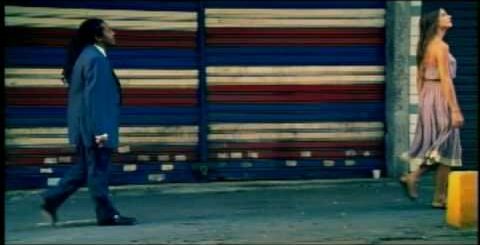
As Black Alien opens with visuals of a paradoxical figure, ‘a well-dressed vagabond,’ he immediately sets the tone of self-contradictions. The lines that form the artist’s identity are as frayed as they are firm, defying simple categorization. This enigmatic introduction leads us into the core of the narrative, where Black Alien introspects about his own persona – Gustavo, the son of Gizelda and Rui – grounded in the familial but grappling with a stunning transformation through his music and the public eye.
The intricate wordplay continues as the artist alludes to bending clouds to his will, which stands as a powerful metaphor for harnessing one’s own narrative amidst chaos. The assertion of control within the semblance of defeat or adversity speaks volumes about the human propensity to conquer personal trials. It’s a poetic manifesto marking his individual quest above societal expectations.
The Inescapable Chase: Reflections on the Self
Central to ‘Carta Pra Amy’ is the theme of self-evasion, the idea that one cannot escape their intrinsic nature, for better or worse. Black Alien explores this motif with a nod to Amy Winehouse’s tangled history, her talents, and her torments. ‘You’re runnin’ and you’re runnin’ and you’re runnin’ away’ echoes as both an admission and an accusation, a refrain that points to the futility of attempting to outrun oneself.
Weaving the threads of time, the artist emphasizes its sovereignty over all endeavors, encapsulating the theme in the refrain ‘Baby, o tempo é rei’ (Baby, time is king). These lyrics hold a mirror up to the audience, reflecting the universal struggle against time and its relentless march – a theme that is equally an acknowledgment of time’s healing power and a lament over its destructive capacity.
Sonic Anecdotes and Lyrical Legacy
The mention of cultural icons like Kurt Cobain, Rakim, and Nina Simone, alongside the call to push play on Black Flag’s punk anthems, is not merely a roster of influences. They are signposts within the sonic landscape Black Alien navigates, pillars that have shaped his musical heritage and continue to inform his art. This nod to musical ancestry becomes a statement on the power of art to influence and outlive its creators, aligning the artist with a tradition of icons themselves shaped by struggle.
In particular, the reverence for Rakim’s lyricism and Kurt Cobain’s reign as a tortured soul in the kingdom of grunge positions ‘Carta Pra Amy’ within a narrative of admiration and survival. Black Alien is both participant and observer in this musical pantheon, mapping his journey against theirs while carving his own path to eternity.
A Cup of Organic Trajectory – The Struggle with Addiction
The trajectory that Black Alien describes is steeped in both organic growth and harrowing struggle, evidenced in his reference to dealing with life ‘without powder and without pity.’ The addiction narrative is a perennial thread in the tapestry of music and life, and Black Alien’s candidness about facing life sober – contrasting it with the habitual addiction to chaos – is a sober reflection on the difficulty of personal growth and the journey to self-mastery.
Furthermore, the ritual-like daily grind of ‘working as the sun rises and sets’ overlaid with the demons of the night encapsulates the cyclical nature of recovery and the demonization of idleness by society, flipping the script on what defines purpose and value in an individual’s life.
Discovering Humanity in the Rhythms of Rebellion
Amidst the storm of self-reflection, ‘Carta Pra Amy’ does not shy away from the act of rebellion – against oneself, against societal norms, and against preconceived notions of sanity. The refrain ‘Mostre-me um homem são e eu o curarei’ (Show me a sane man and I will cure him) challenges the listener to reconsider the parameters of normality, to find the divine within the disorder.
It is a clarion call for empathy and understanding, an acknowledgment that we are bound together by our imperfections and our endeavours to overcome them. It carves a space where the flâneur and the philosopher intersect, where the music becomes a conduit for communal healing and personal salvation.