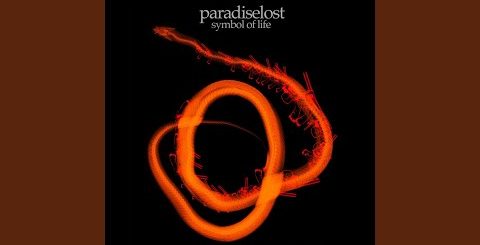
Erased by Paradise Lost Lyrics Meaning – Delving into the Emotion of Isolation and Disbelief
Lyrics
I don’t owe anyone
Shoot pride for all its worth
I don’t belong
In a situation now
that I could not repair
I assert myself to sleep
Show others that i’ve cared
How cold is this poor life
Lay ashes at my grave
If it takes me away from you,
A subtle gesture
I don’t know anyone (cherish my religion)
I don’t know anyone (faith is only fiction)
I don’t know anyone (cherish my religion)
I don’t know anyone (faith is only fiction)
This is erased, I promise not a trace
This is erased, I promise not a trace no delay
Paradise Lost’s ‘Erased’ emerges from the gloom as an anthem of existential crisis, a melancholic melody carrying the weight of solitude and the questioning of beliefs. As we dive into the poignant lyrics of this evocative track, we uncover a tapestry of loss, doubt, and the quest for identity against the backdrop of a society that demands conformity.
The song encapsulates the band’s longstanding reputation for exploring the darker recesses of the human experience, with ‘Erased’ offering both an anchor and a compass in the tumultuous seas of personal alienation. Let us peel back the layers of this haunting composition and reveal the deep-seated meanings that resonate with listeners who have found solace in its moody, contemplative rhythms.
Shattering the Pillars of Pride
The bold declaration ‘I don’t owe anything / I don’t owe anyone’ heralds an outright rebellion against societal expectations and pressures of indebtedness. In these lines, Paradise Lost captures a sentiment of liberation from the chains of pride, a common human folly that often dictates our actions and self-worth. The sentiment negates the value placed on pride, suggesting that its importance is inflated and hollow.
The renunciation of belonging—the stark assertion ‘I don’t belong’—speaks volumes of the moment of self-awareness when one realizes their incongruence with the surrounding environment. It’s this self-alienation that Paradise Lost delves into, depicting the cold realization as a necessary pain for growth and autonomy.
Unraveling the Knots of Life’s Complexities
Encountering a ‘situation that I could not repair’, the speaker in ‘Erased’ grapples with the powerlessness of being unable to resolve certain life situations. This can be a profoundly humbling realization, acknowledging the limitations of one’s influence and control. The imagery of attempting to ‘assert myself to sleep’ suggests a desperate need to convince oneself of one’s relevance and distress over others’ perceptions.
There is a grim acceptance woven through these contemplations as the singer resigns himself to the life he deems ‘cold’. The request to ‘lay ashes at my grave’ serves as a metaphor for the final acknowledgment of his life’s burdens, perhaps indicating a longing for release and escape that only death can provide.
The Chorus of Disillusionment: ‘I don’t know anyone’
Central to ‘Erased’ is the chorus that echoes like a chant—’I don’t know anyone’. These words repeated with the additional lines ‘cherish my religion / faith is only fiction’ reflect an outright renunciation of previously held beliefs. Religious imagery here is symbolic of wider faith in the structures and connections that bind us, suggesting a profound disconnect not just from others, but also from previously held personal convictions.
This recurring mantra creates a haunting rhythm, emphasizing the severance from community and creed—although faith traditionally provides a sense of purpose and belonging, for the speaker, it is an empty narrative. The belief system that once offered comfort is now exposed as a construct, further isolating the protagonist amid their existential drift.
Erasure as Promise: The Vow to Vanish Without a Trace
The lines ‘This is erased, I promise not a trace’ serve as a solemn vow from the singer to leave the world without leaving any mark—implying a desire for total annihilation of self and history. The desire for erasure suggests an intense yearning to negate not just one’s presence but also one’s influence, as if to shield oneself and others from the pain that one’s existence has caused.
This promise of ‘no delay’ adds urgency to this wish, expressing an immediate need to disappear from the consciousness of those around. The finality of the phrase evokes a sense of closure and resignation, concluding that only through this erasure can the self find some semblance of peace.
Intricacies of the Anthem: The Song’s Enduring Echo
Beyond its raw, emotional pull, ‘Erased’ stands as a testament to Paradise Lost’s ability to capture the multi-layered nature of human experiences. It’s not just a song—it’s an echo chamber that reverberates with the sounds of our inner turmoil and the silence we seek amid the noise of existence.
The memorable lines, minimal yet profound, linger long after the music fades. ‘Erased’ confronts listeners with an uncomfortable introspection and in doing so, becomes a haunting mirror that reflects the complexities of the soul. Each listen peels back a layer, revealing new depths to the struggle between self and the suffocating grip of expectations and failed beliefs.