Your Kisses Are Wasted On Me by The Pipettes: Unpacking the Pop Anthem of Self-Empowerment
Lyrics
(Boy)
Can you see we’re through?
(Boy)
I don’t love you don’t make me smile
For a while
(Boy)
Get out of my face
(Boy)
I’m gonna catch a chase some other guy
Who I might like
And you might cry half the time (And you don’t know it, no you don’t know it)
And you might try to hold my hand again (no you don’t know it)
Your kisses are wasted on me
(Boy)
You better hear me clear
(Boy)
I want you out of here
Don’t send me wild
You’re just a child
And you might cry half the time (And you don’t know it, no you don’t know it)
And you might try to hold my hand again (and you don’t know it, no you don’t know it)
And you might cry for some time (you still don’t know it)
Your kisses are wasted on me
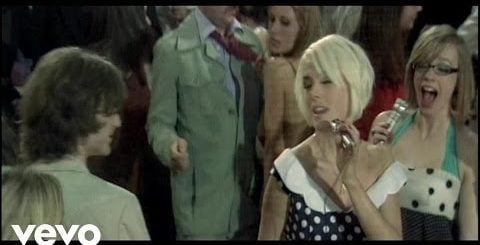
Amidst the bubblegum beats and toe-tapping harmonies of The Pipettes’ catalogue, ‘Your Kisses Are Wasted On Me’ stands out as a bracing blend of cheeky confidence and retro-style pop. The English girl group, known for their polka-dot dresses and choreographed performances, delivered a message of assertiveness that radiated well beyond the confinements of the mid-2000s indie pop scene.
The song, which might initially seem like a simple breakup tune, reveals layers of independence and self-assurance upon closer listen. It rejects the conventional narrative of wallowing in post-relationship melancholy, instead embracing a narrative of liberation and straightforward communication.
A Punchy Chorus That Packs a Feminist Punch
The central hook of ‘Your Kisses Are Wasted On Me’ is delivered with an unapologetic punch that oozes empowerment. Far from the typical portrayal of pining and passivity, this lyric serves as an anthem for anyone who has recognized their own worth in the face of an unworthy suitor.
It doesn’t just speak to the end of a romantic relationship; it’s a broader declaration of independence from societal expectations around dating, love, and the idea that a person’s value is tied to their relationship status.
Redefining Romance on Their Own Terms
Through the lens of this song, The Pipettes redefine what romance means to them, prioritizing personal fulfillment over traditional coupledom. The directness of ‘I don’t love you, don’t make me smile for a while’ challenges the trope of enduring attachment and feigned happiness for the sake of courtesy or fear of loneliness.
This articulation of choice in matters of the heart is refreshing. It discards the notion of the other’s feelings as the protagonist’s responsibility, proposing a model of relationship where individual happiness is paramount.
The Liberating Effect of Saying ‘No’
Central to the song’s theme is the power found in negation. The repeated ‘Boy,’ followed by a disaffirming statement, symbolizes the repetitive nature of resisting unwanted advances. It serves as a powerful notice of autonomy, emphasizing that ‘no’ is a complete sentence.
Every steadfast ‘Boy’ is a brick in the fortress of boundaries the singer is constructing, a celebration of the freedom that comes with being able to refuse, to demand space, and to separate oneself from the undesired.
Peeling Back The Layers: The Hidden Meaning in Rejection
Beyond the catchy refrain and ’60s-inspired pop vibes, ‘Your Kisses Are Wasted On Me’ digs into the nuance of rejecting advances not out of cruelty but out of self-care. It explores the dynamic of being pursued when there’s no interest, and the social pressures that often accompany this dynamic.
In this light, the song takes on a transformative meaning. It isn’t merely about discarding someone else’s affections, but about the deeper need for sincerity and mutual respect in relationships, and the importance of being honest with oneself and others.
Memorable Lines That Feel Like Mantras
‘Your kisses are wasted on me,’ echoes with the weight of an enduring mantra. This isn’t just a lyric; it’s a declaration of standards, a reminder that affection must be mutual to be worthwhile.
Similarly, ‘You’re just a child’ speaks to the maturity required to handle romantic relationships—a maturity that the pursued party feels the pursuer lacks. These lines don’t just stick in your head because of their melodic hook; they resonate because they align with a deeper, universal truth about emotional readiness and reciprocal love.