I Guess I Should Go to Sleep by Jack White Lyrics Meaning – Unraveling the Melancholic Lullaby
Lyrics
I guess I should go to sleep
Too hard standin’ on my own two feet
Been walkin’ too long on a dead end street
I guess I should go to sleep
Yeah
Well I guess I’ll take off my shoes
Head upstairs and then watch the news
That’s another way to lose these walkin’ blues
I guess I’ll take off my shoes
Well upstairs, upstaged, and upset
Keepin’ quiet is probably my best bet yet
‘Cause I ain’t managed to say the right thing yet
Well I guess I should go back to bed, yeah
Guess I should go to sleep
It’s too hard standin’ on my own two feet
Been runnin’ too long on an endless street
Well I guess I should go
To
Sleep
Sleep
Sleep
Sleep
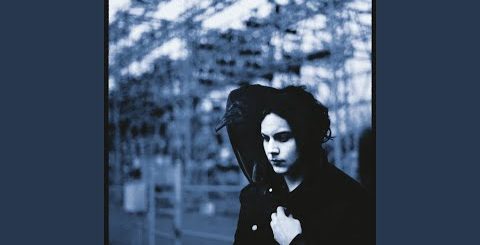
Amidst Jack White’s illustrious and eclectic music collection lies a seemingly simple yet emotionally complex track: ‘I Guess I Should Go to Sleep.’ On the surface, the song off his ‘Blunderbuss’ album might sound to the uninformed ear like a lullaby for the insomniac soul. However, a closer listen reveals that White is delving deep into themes of isolation, restlessness, and the often overlooked mundane struggle of the human psyche.
Masterfully blending the quintessential White tonal juxtaposition of upbeat tempo housing despondent lyrics, the song invites listeners to peel back its layers. The rawness of emotions tracked through the repetitive motions of defeating routine pulls a thread of relativity, which finds its way into the hearts of the audience. There’s more to the tune than its catchy, simplistic refrain; ‘I Guess I Should Go to Sleep’ carries a poetic weight that merits a deeper exploration.
Walking the Endless Street: A Tale of Emotional Exhaustion
The song opens with a confession that becomes the heart of White’s ethos in this track: ‘Too hard standin’ on my own two feet.’ Here, he plays into the feeling of being wearied by life’s relentless pace and the solitude that accompanies his personal journey. It’s a metaphorical admission of the difficulty in upholding the self, especially when that self is seemingly journeying alone down a ‘dead end street,’ which could signify a perceived lack of direction or progress in life.
Despite the upbeat rhythm, there’s a palpable sense of defeat that resonates with anyone who has felt that their path has become more about endurance than about heading towards a fulfilling destination. White frames tiredness not just as a physical state but as an emotional and spiritual drain where the only respite in sight is surrendering to slumber.
Turning In: The Significance of ‘Taking Off My Shoes’
In opting to ‘take off my shoes,’ White isn’t merely alluding to preparing for rest; it’s an act of shedding the burdens that weigh him down. Shoes here symbolize the roles, responsibilities, and expectations that are carried daily—a daily uniform which, when removed, signals a return to oneself without external pressures, even if temporarily.
The act of giving in to the ritual of sleep is not just about physical restoration but a momentary release from a world that feels like it’s constantly asking more of the individual than they feel they can give. Watching the news becomes yet another way to ‘lose these walkin’ blues,’ a nod to how even in seeking diversion or connection, there is often a reinforcement of the day’s exhaustion and frustrations.
Upstairs: Symbolism of the Self’s Quiet Battleground
White’s lyrics transport us ‘upstairs,’ a possible metaphor for the mind or a place of introspection, where one is ‘upstaged and upset.’ The battle he describes is silent, fought in the confines of the thoughts and a reflection of the way we often feel our loudest struggles are the ones that nobody else can hear. It’s in these quiet, unseen conflicts where one faces the inner critic and effaces the reality that they ‘ain’t managed to say the right thing yet.’
This internal struggle is a poignant reminder of the universal human experience of self-doubt and the desire to be understood or to communicate effectively. The suggestion that keeping quiet is ‘probably my best bet yet’ highlights a resignation to the futility of trying to express oneself when the right words seem impossible to find. There’s a yearning for peace in the acceptance of silence, even if it’s accompanied by unresolved internal conflict.
The Hidden Meaning Behind the Desire for Sleep
Sleep in this song isn’t just sleep; it’s an escape from reality—a way to shut down a mind weary from the trials of existence. It’s presented as a solution, albeit a temporary one, to the relentless pressure of being ‘on’ all the time. White’s yearning for sleep reflects a deeper yearning for peace, for a pause from the cycle of thoughts and worries that accompany wakefulness.
Sleep here becomes a stand-in for solace and an acknowledgment of the need for self-care and recognition of one’s limits. It’s a vulnerable admittance that sometimes, the bravest thing one can do is to step back and allow oneself the respite necessary to face another day. This context casts the song in a light where sleep is not an act of giving up but a subtle act of self-preservation.
Memorable Lines: The Echo of ‘I Guess I Should Go to Sleep’
The refrain ‘I guess I should go to sleep’ transforms with each repetition throughout the song, laced with the weariness and the hope for respite that each day demands. The simplicity of the phrase belies its depth—the ‘guess’ implies reluctance or resignation, a common sentiment for those who find themselves reluctantly closing the day with tasks undone, words unsaid, or feelings unexpressed.
Each utterance of ‘sleep’ in the song’s closing lines—repeated like a mantra—drifts further away from the narrative of simply going to bed and nearer to a poignant acknowledgment of the human condition. White captures an existential cradle song that lulls not just the body to rest, but perhaps also the listener’s deeper anxieties and contemplations. In its melodic cadence, the line ‘Well I guess I should go to sleep’ becomes a memorable echo in the mind of anyone who has ever sought solace in the arms of night.