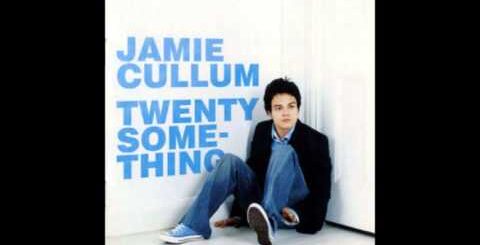
Twentysomething by Jamie Cullum Lyrics Meaning – Navigating the Crossroads of Post-Grad Malaise
Lyrics
A car full of books, and anticipation
I’m an expert on Shakespeare, and that’s a hell of a lot
But the world don’t need scholars as much as I thought
Maybe I’ll go traveling for a year
Finding myself, or start a career
I could work with the poor, though I’m hungry for fame
We all seem so different, but we’re just the same
Maybe I’ll go to the gym, so I don’t get fat
All things are easy, with a tight six-pack
Who knows the answer, who do you trust
I can’t even separate love from lust
Maybe I’ll move back home, and pay off my loans
Working nine to five, answering phones
Don’t make me live for my Friday nights
Drinking eight pints and getting in fights
I don’t want to get up, just let me lie in
Leave me alone, I’m a twenty something
Maybe I’ll just fall in love, that could solve it all
Philosophers say that that’s enough
There surely must be more, ooh
Love ain’t the answer, nor is work
The truth deludes me, so much it hurts
But I’m still having fun and I guess that the key
I’m a twenty something and I’ll keep bein’ me
I’m a twenty something, let me lie in,
Leave me alone, I’m a twenty something
In a generation plagued by indecision and the haunting quest for purpose, Jamie Cullum captures the essence of millennial angst in his jazz-pop melody, ‘Twentysomething’. The song, a blend of wistful piano and Cullum’s distinct vocal timbre, serves as a melancholic yet tongue-in-cheek anthem for those standing on the precipice of adulthood, caught between the lingering echoes of student life and the vast abyss of ‘real world’ responsibilities.
But there’s more to this tune than initially meets the ear. Beyond its catchy melody and relatable refrains, ‘Twentysomething’ is a delicate dissection of post-educational blues and the internal tug-of-war that defines a generation grappling with identity, fulfillment, and the often-unyielding pressure to conform to societal benchmarks of success.
Schooled in Thought, Schooled in Naivety
Cullum opens with a poignant reflection on education—a rite of passage that seems to promise the world yet delivers an open-ended question. The articulate imagery of a ‘car full of books’ illustrates a journey fueled by knowledge but leading to an unexpected crossroads. The heavy investment in the scholarly understanding of icons like Shakespeare suddenly appears trivial in a society less interested in intellectualism and more concerned with practical skills.
This revelation strikes a chord, catalyzing an existential crisis faced by many upon tossing their cap in the air, only to watch it fall to the ground, heavy with the weight of realism.
The Wanderlust Escape Clause
Traversing the globe has often been romanticized as the panacea for an unsettled spirit. As Cullum contemplates ‘finding himself’ or throwing caution to the wind with a career, the lyrics tap into a ubiquitous defense mechanism—the desire to flee the known in search of a more compelling narrative. Travel, philanthropy, fame—all shimmer as seductive detours from the dreariness of settling down.
Yet, even in these escapist fantasies, Cullum weaves a sense of self-awareness, acknowledging the clichés and the shared human tendency to stand at life’s buffet, paralyzed by choice and similarities hiding beneath our differences.
A Physical Feint at Adulting
Physical fitness becomes the next altar at which Cullum’s character may elect to worship, recognizing the simplicity within the pursuit of a ‘tight six-pack.’ We watch as vanity and health become conflated, suggesting a solution to life’s complexity might lie in the purely superficial. But the underlying question posed, ‘Who knows the answer, who do you trust?’ signals the protagonist’s understanding that there’s no real solace in superficial solutions.
This gyric satire mirrors society’s often shallow measures of worth—where the cut of one’s abs can momentarily distract from the gnawing questions of love, lust, and life-purpose.
Embracing the Mundane, The Friday Night Distraction
Acquiescence to the conventional means of survival—accepting mediocrity through a desk job, answering phones, just to escape the financial clutches of student loans—frames another verse in Cullum’s odyssey. The dead-end job becomes a sacrificial lamb on the altar of adulthood, wherein every weekday is a hymn to weekend hedonism.
Yet, the antipathy towards living for ‘Friday nights’ and tactile experiences of drinking and fighting offers an adept criticism of youth culture’s temporary palliatives for a deep-seated restlessness.
The Philosophical Cul-de-sac and the Resignation in Rebellion
Cullum broaches the final guilt-ridden question of whether love, work, or anything tangible has genuine meaning. There’s an overt nod to philosophical debates—echoes of the existentialists and romantics—both seemingly falling short of providing a silver bullet for the twenty-something blues.
Ultimately, the song settles in a rejoicing defiance—a celebration of the freedom to ‘keep bein’ me.’ In that resistance to conform to society’s rubric of adulthood, Cullum encapsulates the hidden truth of ‘Twentysomething’: it’s a rallying cry for the acceptance of one’s individual journey—spiteful of expectations and timelines—in a world where everyone is racing towards milestones with blinders on.