The Fall of Mr. Fifths by Why? Lyrics Meaning – Decoding the Enigma of Modern Existentialism
Lyrics
Paddle-boat ride
on a man-made lake
with another lady stranger.
If I remain lost and die on a cross,
at least I wasn’t born in a manger.
I can sense, somewhere right
now I’m being prayed for.
Seems like I always arrive
at the same shore
from where my sails set
maybe with one less lady
than my vessel left with.
Is that a threat?
Oh, I’ve stayed scarce
this past year, yes.
But be assured in unrest:
I’m unavoidable, like death
this Christmas. Is this twisted?
Why be upset? I never said I
didn’t have syphilis,
Miss Listless — Hard like the
bricks I pound my fists with.
I mean, she’s hard like the bricks
that I pound with my fists.
This is “The fall of Mr. Fifths,
forged for the hordes
and the ladies and lords,
set with fat chords
in modern English.
I know, I know,
There’s nothing more appealing
than the sound of high heels
down the marble tile hallways
of your districts one alloted
city-funded Steiner school,
Bilingual or Montessori,
followed by a single
high-pitched scream,
followed by breaking glass.
But could your anger be mapped
into an interpretive dance
to a trip-hop track? Could it be
bowed out on strings?
Or strung into a pattern for a God’s eye to bring
to your alma-mater’s holiday
fundraiser boutique thing?
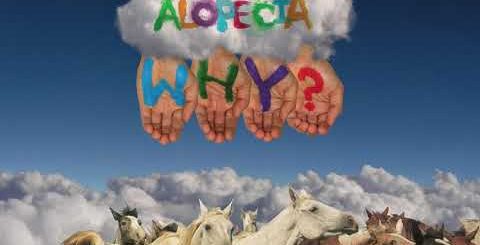
Deceptively casual in its acoustic threads and confessional candor, Why?’s ‘The Fall of Mr. Fifths’ is a lyrical odyssey that delves deep into modern ennui and the rituals of self-destruction. The song, hailing from their acclaimed album ‘Alopecia,’ etches a portrait of a protagonist drowning in the existential waters of the 21st century.
As listeners, we’re coaxed onto a paddleboat, drifting through the psyche of our narrator, Mr. Fifths. With reflections on spirituality, relationships, and the inexorable nature of mortality, frontman Yoni Wolf crafts an intricate landscape that compels a voyage into the heart of contemporary disillusionment.
Metaphors Afloat on Man-Made Lakes
The opening lines paint an allegory of artificiality—a man-made lake becomes a symbol of the constructed environments in which modern life plays out. The ‘lady stranger’ might hint at fleeting connections in an era of disposable relationships, where genuine intimacy is as elusive as the horizon on this ersatz pond.
Our mariner’s journey, should he ‘die on a cross,’ evokes crucifixion imagery, swapping out the manger’s promise of messiahship with a cynical acceptance of his mortal, flawed passage. Such provocative juxtapositions unsettle and invite contemplation on the commodification of spirituality.
Unpacking the Enigmatic Title
The ‘fall’ of Mr. Fifths speaks to a descent, but of what kind? It may symbolize a drop from grace, societal standing, or even the mental fracturing of the individual under the weight of his existential doubts. The diminished fifth in music—a dissonant interval—echoes this potential dissonance within the soul of Mr. Fifths.
Moreover, the use of a homonym ‘fifths’ could be a linguistic play on alcohol—a fifth of liquor, suggesting a descent into vice, a grappling with addiction, or a means to cope with the insurmountable pressures and pains of life.
The Dance of Anger and Artistry
By invoking the clash of high heels on marble, the song dances through chaos within orderly confines—a school hallway, no less, reflective of formative constraints. The scream that follows suggests the primal release from the composed public façade, a shattering not just of glass, but expectations.
In this interplay between composed rhythm and sudden violence, there’s an invitation to explore pain as a creative force. Could suffering be transformed into something beautiful, something palatable to society’s tastes within the neat choreography of trip-hop, or the precise patterns gifted to a prestigious institution?
The Unavoidable Presence of Mr. Fifths
Perhaps the most foreboding declaration of Mr. Fifths’s existence is his self-proclaimed unavailability, likening himself to death—a haunting specter during life’s most festive and silent moments. There’s irony in invocation of Christmas, once more flirting with religious motifs, while admitting to his damaging presence.
It’s this raw honesty, accepting his afflictions (tellingly manifested as syphilis) and the inevitability of his influence, that lures us into the darker labyrinths of the human condition, wherein Why? reveals the suffering we so often mask with holiday spirit or deny with our daily distractions.
Sonic Textures and An Anthem for Outsiders
Musically, Why? casts an unconventional palette of ‘fat chords’ arrayed in ‘modern English.’ It’s a marriage of traditional sonics with contemporary vocabularies that underscores the song’s narrative of the past clashing with present realities.
It’s the artist’s crafted gift to the ‘hordes,’ the masses ensnared in daily monotony, and the ‘ladies and lords,’ the elite navigating their own gilded cages. This anthem ultimately becomes a shared harmonic howl, uniting disparate lives under the banner of Why?’s stark, unsettling poetry.