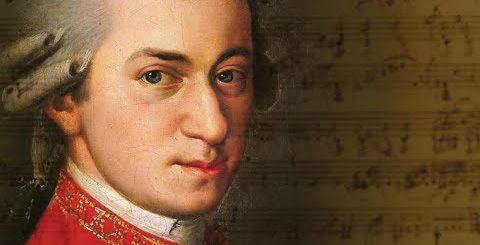
Requiem by Wolfgang Amadeus Mozart Lyrics Meaning – A Dive into the Mortal Echoes and Eternal Repose
Lyrics
Requiem aeternam dona eis, Domine, et lux perpetua luceat eis
Te decet
Hymnus, Deus in Sion, et tibi reddetur votum in Jerusalem
Exaudi
Orationem meam, ad te omnis caro veniet
Requiem aeternam dona eis, Domine, et lux perpetua luceat eis
Kyrie eleison, Christe eleison, Kyrie eleison
2. Dies irae
Dies irae, dies illa solvet saeclum in favilla, teste David cum
Sybilla
Quantus tremor est futurus, quando judex est venturus, cuncta
Stricte
Discussurus
3. Tuba mirum
Tuba mirum spargens sonum per sepulchra regionum, coget omnes
Ante thronum
Mors stupebit et natura, cum resurget creatura, judicanti
Responsura
Liber scriptus proferetur, in quo totum continetur, unde mundus
Judicetur
Judex ergo cum sedebit, quidquid latet apparebit, nil inultum
Remanebit
Quid sum miser tunc dicturus? quem patronum rogaturus, cum vix
Justus
Sit securus?
4. Rex tremendae
Rex tremandae maiestatis, qui salvandos salvas gratis, salva me
Fons
Pietatis
5. Recordare
Recordare Jesu pie, quod sum causa tuae viae, ne me perdas illa
Die
Quaerens me sedisti lassus, redemisti crucem passus; tantus
Labor non
Sit cassus
Juste judex ultionis, donum fac remissionis ante diem rationis
Ingemisco tanquam reus, culpa rubet vultus meus; supplicanti
Parce Deus
Qui Mariam absolvisti, et latronem exaudisti, mihi quoque spem
Dedisti
Preces meae non sum dignae, sed tu, bonus, fac benigne, ne
Perenni
Cremer igne
Inter oves locum praesta, et ab hoedis me sequestra, statuens in
Parte
Dextra
6. Confutatis
Confutatis maledictis, flammis acribus addictis, voca me cum
Benedictis
Oro supplex et acclinis, cor contritum quasi cinis, gere curam
Mei finis
7. Lacrymosa
Lacrymosa dies illa, qua resurget ex favilla judicandus homo
Reus
Huic ergo parce Deus, pie Jesu Domine, dona eis requiem! Amen!
8. Domine Jesu
Domine Jesu Christe! Rex gloriae! Libera animas omnium fidelium
Defunctorum
De poenis inferni et de profundo lacu!
Libera eas de ore leonis, ne absorbeat eas Tartarus, ne cadant
In obscurum:
Sed signifer sanctus Michael repraesentet eas in lucem sanctam
Quam olim
Abrahae promisisti, et semini ejus
9. Hostias
Hostias et preces tibi, Domine, laudis offerimus
Tu suscipe pro animabus illis, quarum hodie memoriam facimus:
Fac eas
Domine, de morte transire ad vitam, quam olim Abrahae
Promisisti, et
Semini ejus
10. Sanctus
Sanctus, sanctus, sanctus Dominus Deus Sabaoth! pleni sunt coeli
Et terra
Gloria tua
Osanna in excelsis
11. Benedictis
Benedictis, qui venit in nomine Domini
Osanna in excelsis
12. Agnus Dei
Agnus Dei, qui tollis peccata mundi, dona eis requiem
Agnus Dei, qui tollis peccata mundi, dona eis requiem
Sempiternam
Lux aeterna luceat eis, Domine, cum sanctis in aeternum, quia
Pius es
Requiem aeternam dona eis, Domine, et lux perpetua luceat eis
When the final notes of Wolfgang Amadeus Mozart’s Requiem in D minor, K. 626, linger in the charged air of a hushed auditorium, they leave behind more than just the remnants of a musical performance; they etch an indelible memory of life’s transience and a profound meditation on the afterlife. Composed under the shadow of Mozart’s own impending death, the Requiem goes beyond a mere committal ritual, becoming a universal expression of yearning, fear, hope, and redemption.
Like a tapestry woven with shadows and light, the lyrical content of Requiem intertwines scripture and supplication, evidencing Mozart’s brilliance in marrying the human condition’s existential questions with the exaltation of divine judgment and mercy. This piece, as much a journey through the stages of grief as a reflection on spiritual awakening, is dissected here, revealing layers of intent and meaning.
The Ethereal Prologue: A Call for Eternal Rest
Mozart inaugurates his Requiem with a plea for eternal rest (‘Requiem aeternam dona eis, Domine’), immediately establishing an aura of solemnity and reverence. The music palpates with a heartbeat-like rhythm, symbolizing the persistent march of time and life’s fragility. It beckons the listener into a sanctuary where the mortal and the divine are set to converse through the forthcoming movements.
The introduction’s lines, calling for perpetual light to shine upon the departed (‘et lux perpetua luceat eis’), resonate with paradoxical comfort and forewarning. They appeal to a higher power while acknowledging the totality of judgment that awaits, beckoning God’s compassion upon souls that walk the razor’s edge between salvation and eternal darkness.
Apocalyptic Visions Dance: The ‘Dies Irae’ Unpacked
The ‘Dies irae’ is perhaps the most visceral and dramatic section, conjuring images of the Day of Wrath foretold in scripture. It explores the reckoning to come, igniting the imagination with its potent mixture of fear and awe. Mozart embeds a sense of impending doom within a melody that is both chilling and magnetic.
The text references biblical prophecies and the Sibylline oracles (‘teste David cum Sybilla’) to anchor its verses in apocalyptic certainty. As the music swells, it reflects the universal tremor (‘Quantus tremor est futurus’) that accompanies the arrival of the final judge, whose scrutiny will spar with no shadow or soul.
The Final Trumpet’s Call: ‘Tuba mirum’ and the Dance of Death
In ‘Tuba mirum,’ the trumpet’s sound heralds the resurrection and ultimate gathering of humanity (‘per sepulchra regionum’). The imagery is at once magnificent and terrifying – death itself is stunned (‘Mors stupebit’) as creation stands to answer for its time on Earth. The movement speaks to the accountability that awaits all persons, regardless of their earthly stature.
Describing the unveiling of the definitive record (‘Liber scriptus proferetur’), where nothing will remain unavenged (‘nil inultum remanebit’), Mozart captures the somber realization of one’s mortality and deeds. The true masterstroke lies in the emotional vulnerability it brings forth, leaving the listeners to ponder their own standing when the end comes.
The Mercy of a Mighty King: Reading into ‘Rex tremendae’
The majestic ambivalence of ‘Rex tremendae’ lies in the portrayal of God as both a sovereign of awesome power (‘Rex tremendae maiestatis’) and the source of grace. As the King capable of granting salvation freely, the supplicant’s voice seeks deliverance, firmly rooting the narrative in the potential for mercy amidst justice.
It’s a poignant reminder that in the vast scales of divine adjudication, it’s not the might of the individual, but rather the benevolence of the Almighty (‘salva me fons pietatis’) that is the ultimate sanctuary. Here, Mozart takes the listener from the depths of desolation to the hope of being singled out for redemption.
The Secrets Beneath the Surface: The Hidden Allegories of Mozart’s Requiem
Beyond its ecclesiastical premise, the Requiem hosts a myriad of allegorical nuances that speak to human experiences, weaving them into the fabric of the divine narrative. For instance, ‘Confutatis maledictis, flammis acribus addictis’ can be seen as the harsh flames of life’s trials and tribulations, from which one hopes to emerge unscathed and enriched (‘voca me cum benedictis’).
Further hidden meanings can be derived from ‘Lacrymosa,’ a movement heavily imbued with Mozart’s sorrow during his final days (‘Lacrymosa dies illa, qua resurget ex favilla judicandus homo reus’). In facing one’s mortality, there lies a universal plea for compassion (‘Huic ergo parce, Deus’) – a message that transcends the eschatological to touch the existential reality of suffering and the desire for solace.