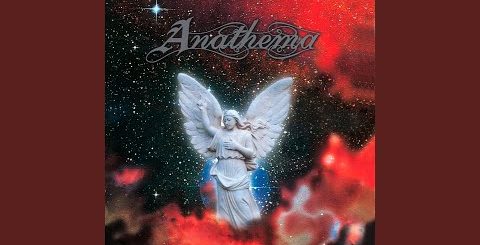
Regret by Anathema Lyrics Meaning – Unraveling the Poignant Ballad of Reflection and Redemption
Lyrics
Far away from you
I feel all alone in a crowded room
Thinking to myself
“There’s no escape from this
Fear
Regret
Loneliness”
Visions of love and hate
A collage behind my eyes
Remnants of dying laughter
Echoes of silent cries
I wish I didn’t know now that
I never knew then
Flashback
Memories punish me again
Sometimes I remember all the pain that I have seen
Sometimes I wonder what might have been
Visions of love and hate
A collage behind my eyes
Remnants of dying laughter
Echoes of silent cries
And sometimes I despair
At who I’ve become
I have to come to terms
With what I’ve done
The bittersweet taste of fate
We can’t outrun the past
Destined to find an answer
A strength I never lost
I know there is a way
My future is not set
For the tide has turned
But still I never learned to live without regret
Anathema’s ‘Regret’ is not just another melancholic tune; it’s an intricate tapestry woven with threads of introspection and poignant realization. As listeners immerse themselves in the haunting melody, they’re invited on a journey through a raw and emotive landscape that speaks to the universal experiences of loss, remorse, and the yearning for change.
The song, evocative and deliberate in its composition, leverages powerful lyricism to explore the depths of human emotion, laying bare the soul of the individual. It’s a reflective pool into which listeners are compelled to gaze, potentially seeing fragments of their own lives amidst the ripples of Anathema’s stirring words.
Elegy of Emotions: Decoding the Heart’s Inner Turmoil
Each verse of ‘Regret’ serves as a step deeper into the labyrinth of the human heart, articulated through the protagonist’s internal monologue. The recurrent theme of feeling alone ‘in a crowded room’ encapsulates the essence of isolation that often accompanies deep personal anguish.
The juxtaposition of ‘love and hate,’ ‘dying laughter,’ and ‘silent cries’ conveys an intense emotional spectrum, where cherished memories are tainted with the grim hue of present-day sorrow. It’s a universal outcry that echoes the complexities of retaining one’s sanity amidst a cacophony of past echoes.
The Haunting Reprise: Unveiling the Song’s Hidden Meaning
Beyond its lyrical veil, ‘Regret’ serves as a canvas for Anathema to delve into the metaphysics of time and its irreversible impact on the human condition. It’s a poignant reminder of the indelible marks that ‘flashbacks’ and ‘memories’ leave on our consciousness, shaping the individuals we become.
The song subtly critiques the often-futile attempt to dissociate from bygone errors, suggesting that the only path to redemption lies through acceptance. Herein lays the ‘hidden meaning’ — the realization that the journey toward self-forgiveness is fraught with the challenge of confronting one’s personal demons.
Whispers of Wistfulness: The Ebb and Flow of Past and Present
In ‘Regret,’ time is not a linear passage but rather a tide that ebbs and flows, bringing with it memories that surge like waves, possessing the power to punish or to cleanse. This liquid metaphor for time’s passage emphasizes that while the past may be unchangeable, it is not a prison; it is a sea upon which we might navigate anew.
The lines ‘We can’t outrun the past / Destined to find an answer / A strength I never lost’ suggest a reconciliation with one’s history and an acknowledgment of the resilience that has carried us through hardships. It’s a stark proclamation that, even in regret, there is an inherent strength waiting to be reclaimed.
Memorable Lines Etched in the Mind’s Canvas
‘I wish I didn’t know now that / I never knew then’ – these lyrics strike a chord with anyone who has felt the heavy hand of hindsight. The poignant admission of a desire to unlearn the painful truths that have surfaced over time, cementing themselves as unforgettable lines within a deeply relatable chorus.
The agony of enlightenment, the wish to return to a state of blissful ignorance, and the grappling with knowledge that cannot be unacquired — Anathema manages to encapsulate these complex emotions within a few, short lines, ensuring they resonate long after the song has played its conclude.
A Ballad for the Brave: Coming to Terms with Our Choices
‘At who I’ve become / I have to come to terms / With what I’ve done’ — reflects a powerful moment of self-realization. These lines speak to the courage required not only to face our choices but also to live with their consequences, signaling a turning point from which personal growth can emerge.
‘Regret’ hits home as an anthem for the introspective soul, acknowledging that life’s trajectory is oft dotted with moments of regret, but it doesn’t define our capacity for change. Anathema encourages listeners to find ‘a way,’ to understand that our future is fluid, and ultimately, how we choose to heal and move forward is within our own power.