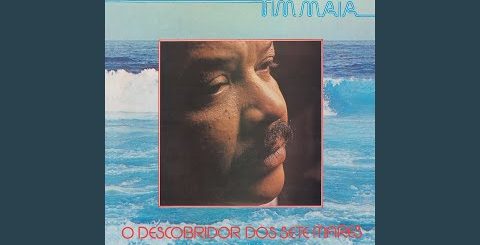
Réu Confesso by Tim Maia Lyrics Meaning – Unveiling the Poignant Truth Behind Love’s Remorse
Lyrics
Eu fui o culpado, rogo o seu perdão
Venho lhe seguir, lhe pedir desculpas
Foi por minha culpa a separação
Devo admitir que sou réu confesso
E por isso eu peço, peço pra voltar
Longe de você já não sou mais nada
Veja, é uma parada viver sem te ver
Longe de você já não sou mais nada
Veja, é uma parada viver sem te ver
Perto de você eu consigo tudo
Eu já vejo tudo, peço pra voltar
Devo admitir que sou réu confesso
E por isso eu peço, peço pra voltar
Longe de você já não sou mais nada
Veja é uma parada viver sem te ver
Perto de você eu consigo tudo
Eu já vejo tudo, peço pra voltar
In the landscape of Brazilian soul and funk, Tim Maia stands as a colossus, his voice a beacon of impassioned cadences and rich emotive force. With ‘Réu Confesso,’ Maia does not just sing, he testifies; he lays bare a soul riddled with regret and yearning for redemption. This isn’t merely a song, it is an introspection set to melody, a profound admission of guilt and a plea for reconciliation.
As we dive into the depths of ‘Réu Confesso,’ we discover that beneath the catchy grooves and Maia’s soul-stirring vocals lies a narrative of plaintive vulnerability. It’s a true poet’s confession, one that resonates with anyone who’s ever felt the sting of love lost through personal failings. Here, we unravel the layers of meaning in a tune that transcends its own time, and whose emotions palpitate with undiluted honesty.
The Soulful Chronicles of a Love Lost
From the opening lines, ‘Réu Confesso’ establishes itself as a chronicle of love and loss. Maia doesn’t shy away from accepting fault; his declaration resounds with an honesty that strikes a universal chord. His readiness to admit where he’s gone wrong is the foundation upon which the rest of the song is built, turning the track into a sonic diary of repentance.
The song’s true genius lies in its ability to encapsulate the complexity of human emotions. By acknowledging his mistakes and exposing his fragility, Maia crafts a piece that serves both as a personal atonement and a collective reflection on the impact our actions have on our relationships.
The Groove That Bears The Weight of Regret
It would be remiss to speak of ‘Réu Confesso’ without acknowledging the musicality that allows its poignant message to take flight. The song’s rhythm carries the weight of Maia’s confessions without succumbing to melancholy, offering instead a groove that invites reflection while keeping the listener ensnared in its beats.
Maia’s tonal choices embody the duality of remorse—a concoction of sorrowful admittance laced with the subtle hope for reconciliation. The music becomes the vessel through which the pendulum of emotion swings, from the depths of despair to the peaks of optimistic longing.
Réu Confesso’s Hidden Meaning: Beyond Romantic Reconciliation
While the surface of ‘Réu Confesso’ presents a narrative of romantic regret, there’s a deeper layer that comments on the human condition. This song is not just a story of personal remorse, but also a portrayal of the existential ache we feel when separated from anything that gives our life significance.
Tim Maia artfully uses the concept of a strained romantic relationship to speak to the broader experience of loss and the innate need to connect with something greater. The haunting refrain, ‘Longe de você já não sou mais nada,’ captures the essence of existence being hollow without meaningful bonds.
The Poignancy of ‘Veja, é uma parada’: The Song’s Most Memorable Line
Among the lyrics, the phrase ‘Veja, é uma parada’ stands out as a lamentation so robust that it imprints itself upon the listener’s heart. Translating to something akin to ‘Look, it’s a standstill,’ the phrase evokes the stagnation one feels when lacking the love that once propelled one forward.
It’s a powerful admission of dependence on another’s presence for one’s well-being, reflecting a stark realization of love’s integral role in defining our sense of self and purpose.
The Legacy of Réu Confesso: Why It Still Resonates
Tim Maia’s ‘Réu Confesso’ endures not just as a staple of Brazilian music, but as an anthem for all who have sought forgiveness. Its relatability lies in the truth that everyone, at some point, faces the tribulations of love and the task of apology.
The song remains timeless because it does not dress up regret in pomp or circumstance—it presents it as a raw, human rite of passage. That, coupled with Maia’s incomparable sonic delivery, ensures ‘Réu Confesso’ continues to be not just heard, but felt, across generations.