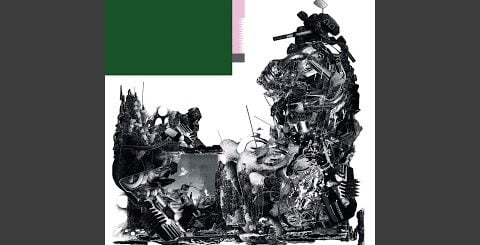
Western by BLACK MIDI Lyrics Meaning – Unraveling the Poetic Enigma of Artistic Struggle
Lyrics
And practice up until noon
He wanted perfection
Always the same tune
After all the pretty things you’d done for me
I left you in a ditch
You were the bank but I was the star on the silver screen
My cheeks made blind men see and they all rose for me
But after all the pretty things you’d done for me
I left you in a ditch
My voice grew hoarse reciting words that you know so well
Though no one heard, they would so soon
Once my sound was known to the finest tastes that set global tone
“And I’ll helm the seas of a burgeoning scene as the new come queen
While you lick your wounds in a hole that’s black perpetually”
And a pink caterpillar with six anorexic children let me stay
But I had to keep moving through anteater town
After anteater town
After anteater town
After anteater town
After anteater town
I’d spent all your cash by the time I got to Schlagenheim
But your name was gouged, it was no use
To think that you could play
But despite all the stupid plans you set for me
You’re still in that ditch
And I was led here after some talk of atmospheres
I skipped the line, made it known that I was one to see
The desk was pain, said I did not fit
No time for ploys and games, I made my way
Through flocks of imbeciles, I crawled through my entry point
But the curtain drew, I was too late
In a white suit stuffed with hay, you were on stage
You were on stage, you were on stage, you were on stage
You were on stage, you were on stage, you were on stage
You were on stage, you were on stage, you were on stage
Lights came dim and hats came one
Though not for me
He sat and began the sound
It sang the chords of my memory, implying that tune
In the pantheon of poetic rock narratives, BLACK MIDI’s ‘Western’ stands out as a cryptic yet evocative portrayal of the artist’s journey. This isn’t a simple story set to music; it’s a multi-layered exploration of ambition, betrayal, and the oft-overlooked internal tumult that accompanies a rise to fame.
Peering through the song’s haunting melodies and disjointed phrasings reveals a deeper narrative coated in metaphor and symbolism, inviting listeners to dissect its meaning and find the relevance in their own experiences.
Perfection’s Unforgiving Prison
The song opens with a relentless pursuit of perfection, ‘We’d wake before daylight / And practice up until noon.’ It’s a homage to the toil and sacrifice that grounds the early days of creative endeavors. The discipline is almost military, with a specified routine and singular focus, conjuring an image of a young artist’s stringent and lonely apprenticeship under a demanding mentor—a relationship that is as much about music as it is about shaping identity.
However, this quest for perfection is a double-edged sword. It speaks to the repetition and dedication required in honing one’s art, yet it foreshadows the exhaustion and hoarseness from ‘reciting words that you know so well.’ A hint of resentment becomes palpable as the mentor’s teachings echo in the void, a mantra of diminishing returns.
The Fickle Walk Through Fame’s Fleeting Gaze
‘My cheeks made blind men see and they all rose for me,’ indicates a moment of triumph, where the protagonist’s talents are recognized, and adulation follows. There’s a celestial ascension into stardom, yet the lyrics ‘But after all the pretty things you’d done for me / I left you in a ditch’ reflect a darker turn. Amid the applause and the spotlight, there’s an abandonment, almost a betrayal, of the past and the sacrifices that led there.
As ‘anteater town after anteater town’ are left in the wake of a roaring success, it’s a metaphor for the insatiable consumption and the hollow transient towns—forgotten gigs, places, and people who fade into the relentless march towards ‘Schlagenheim,’ a culmination of dreams or perhaps the pinnacle of one’s career.
Dissecting the Hidden Meanings Layered in Symbolism
‘And I’ll helm the seas of a burgeoning scene as the new come queen / While you lick your wounds in a hole that’s black perpetually.’ These lines are rife with symbolism, invoking maritime imagery to portray the artist’s navigation through the uncharted waters of fame. The scene is burgeoning; it is alive and rewarding for those who dare to sail it. The ‘new come queen’ suggests a fresh, disruptive power on the scene, an individual who has taken control and asserted their presence.
However, for every ascendant queen, there’s a contrast—someone left behind, nursing their wounds in obscurity. The darkness is not just absence; it’s perpetual, a blackness that swallows history, effort, and perhaps innocence in its void—a stark commentary on the inevitable casualties on the path to the top.
The Memorable Lines That Puncture the Heart
Certain lines in ‘Western’ mercilessly hook themselves into the listener’s psyche. ‘Lights came dim and hats came on / Though not for me,’ speaks of a moment of reckoning, a realization that the ephemeral thrill of success does not equate to permanence or fulfillment. It plunges the listener into the solitude of an artist unrecognized amidst their own creation.
When the song reaches its climax, repeating ‘You were on stage,’ it becomes an obsessive mantra, an involuntary homage to the relentless persistence of the mentor character who, despite the protagonist’s actions, retains their inherent importance and influence.
Reinterpreting Stardom in the Reflective Mirror of ‘Western’
Throughout ‘Western,’ the protagonist tangles with success and legacy, where the triumph of the individual can sometimes mean the undermining of others. The final poetic punch, of an estranged mentor or past self reclaiming the spotlight, challenges the narrative of individual glory and questions the price paid for walking through the doors of fame.
It is a somber recognition that what goes on behind the velvet curtains—the endless rehearsals, the forgotten mentors—is what truly forges the perfection sought after, and not the fleeting lights of transient acclaim. ‘Western’ thus becomes a complex tapestry of what it means to achieve, only to realize that the path walked is as significant as the destination reached.