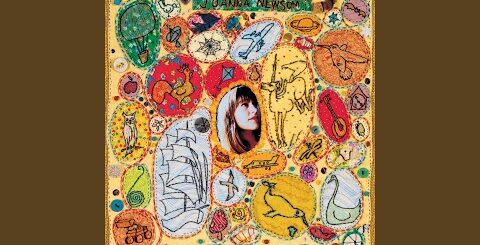
On a Good Day by Joanna Newsom Lyrics Meaning – Unveiling the Poetic Soul of a Modern Ballad
Lyrics
On a good day you can see the end from here
But I won’t turn back now though the way is clear
I will stay for the remainder
I saw a life and I called it mine
I saw it drawn so sweet and fine
And I had begun to fill in all the lines
Right down to what we’d name her
Our nature does not change by will
In the winter ’round the ruined mill
The creek is lying flat and still
It is water though it’s frozen
So, across the years and miles and through
On a good day you can feel my love for you
Will you leave me be so that we can stay true
To the path that you have chosen?
Joanna Newsom wields words like a painter wields her palette, mingling shades of emotions with the delicate touch of a seasoned artist. ‘On a Good Day,’ a track from her expansive collection, is no exception. It’s a tapestry woven from the threads of introspection, loss, and the undying flame of hope.
This piece offers more than mere musical pleasure; it invites us to meander through the garden of Newsom’s thoughts, each line a petal unfurling to reveal deeper hues of meaning. Herein, we explore the profound resonance of ‘On a Good Day,’ delineating the facets of Newsom’s lyrical universe.
The Timeless Waltz of Love and Impermanence
At the heart of ‘On a Good Day’ lies an acceptance of life’s ephemerality. Newsom uses her ethereal voice to convey the message that, even on our best days, the end is perceptibly near. The song is not a lament but a sobering reflection on mortality and the beauty of cherishing the moment.
The track’s haunting melody harmonizes with the lyrics, wrapping listeners in the comfort of the here and now—even amidst the looming presence of expiration. Newsom invites us to dance in sync with the spellbinding, transient nature of existence, a sentiment echoing through the ages in poetry and song.
Life as a Blank Canvas: The Intimacy of Creation
Newsom portrays life as a vibrant work of art. In side-stepping resignation, she illustrates the agency and intimacy of crafting one’s existence. ‘I saw a life and I called it mine,’ she sings, summoning those moments of profound personal connection and the universal human experience of shaping identity and purpose.
The singer becomes a stand-in for creators everywhere, who brush strokes of choice and chance upon the canvas of time. ‘On a Good Day’ presents an intricate relationship with creation and the responsibilities accompanying it, delving into the hopes and dreams we pour into the world we build around us.
Unearthing the Frozen Waters of Change
Like the creek laying ‘flat and still’ in winter, Newsom uncovers the inertia that resides within nature and, by extension, ourselves. This metaphor reaches deep into the core of human stubbornness and the struggle for change. The ice, akin to our habits and beliefs, can appear unyielding, but beneath it lies the fluid mechanism of life—continuous and adaptable.
Thus, ‘On a Good Day’ becomes a hymn to the perseverance required to foster personal transformation. It’s a contemplation on the rigidity we must often meet with patience. The song assures us that even frozen waters hold the essence of movement beneath their surface, promising eventual thaw and renewal.
Navigating the Complex Webs of Affection
In a world where distances are measured in more than miles and minutes, Newsom casts affection as a force that transcends. The bittersweet farewell extended to a loved one—’leave me be’—is not one of separation but a deep understanding of personal paths and the respect for the journeys we each must undertake.
The song then serves as a beacon of devotion, unwavering even as the physical embodiment of that love may wane or shift. ‘On a Good Day’ reminds us of the silent strength in letting go and the virtues of supporting our loved ones’ freedoms, even when it aches.
The Unspoken Verse: Decoding Newsom’s Cryptic Tapestry
The elegance of ‘On a Good Day’ resides in the spaces between the notes, the unvoiced words churning with resonance. Newsom has long been celebrated for her knack for literary obfuscation, wrapping bare emotions in the opulent fabric of her vocabulary. The song’s meaning is a treasure nestled within the parchment folds of her delivery.
It summons a thousand interpretations, each listener a cartographer charting unique emotional landscapes through Newsom’s careful arrangement of tone, timbre, and text. The song is a testament to the endless wellspring of human experience, ensuring that each audition yields fresh insight, a new contour of understanding.