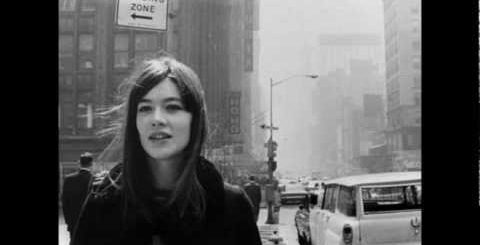
Tous les garçons et les filles by Françoise Hardy Lyrics Meaning – Exploring the Essence of Youthful Longing
Lyrics
Se promènent dans la rue deux par deux
Tous les garçons et les filles de mon âge
Savent bien ce que c’est qu’être heureux
Et les yeux dans les yeux
Et la main dans la main
Ils s’en vont amoureux
Sans peur du lendemain
Oui, mais moi
Je vais seule
Par les rues, l’âme en peine
Oui, mais moi
Je vais seule
Car personne ne m’aime
Mes jours comme mes nuits
Sont en tous points pareils
Sans joie et pleins d’ennui
Personne ne murmure
“Je t’aime” à mon oreille
Tous les garçons et les filles de mon âge
Font ensemble des projets d’avenir
Tous les garçons et les filles de mon âge
Savent très bien ce qu’aimer veut dire
Et les yeux dans les yeux
Et la main dans la main
Ils s’en vont, amoureux
Sans peur du lendemain
Oui, mais moi
Je vais seule
Par les rues, l’âme en peine
Oui, mais moi
Je vais seule
Car personne ne m’aime
Mes jours comme mes nuits
Sont en tous points pareils
Sans joie et pleins d’ennui
Oh, quand donc pour moi
Brillera le soleil?
Comme les garçons et les filles de mon âge
Connaîtrais-je bientôt ce qu’est l’amour?
Comme les garçons et les filles de mon âge
Je me demande quand viendra le jour
Où les yeux dans ses yeux
Et la main dans sa main
J’aurai le cœur heureux
Sans peur du lendemain
Le jour où je n’aurai
Plus du tout l’âme en peine
Le jour où moi aussi
J’aurai quelqu’un qui m’aime
In the cavernous realm of 1960s French pop, few songs resonate with the stark emotional honesty quite like Françoise Hardy’s ‘Tous les garçons et les filles.’ Released in 1962, the track became an anthem for unrequited love and youthful yearning, beautifully encapsulating the universal feelings of isolation and desire for connection that transcends time and language.
With its delicate melody and Hardy’s crystalline vocals, the song manages to be both a product of its era and disturbingly contemporary. Hardy’s sincere delivery of the lyrics offers us a window into the soul of an everywoman, giving voice to the quiet despair and hopeful anticipation that characterizes the teenage search for love.
The Echo of Lonely Footsteps: Embracing Solitude in a Coupled World
Hardy weaves a vivid tapestry of contrast between the joyous companionship of her peers and her own solitary journey. The opening lines immediately set the stage for a world where being alone is the exception, not the norm. This profound sense of aloneness is masterfully tied to the physical act of walking. Whereas others walk ‘deux par deux,’ she walks alone, symbolizing the absence of a romantic partner and the emotional weight that comes with it.
The song meticulously dwells on the theme of alienation among the ostensibly connected. Hardy’s portrayal goes beyond mere romantic longing, digging into the fundamental human experience of feeling like an outsider, of moving through a shared space yet being utterly alone.
Whispers of the Heart: The Search for Words Unspoken
As the song progresses, it becomes clear that the silence Hardy experiences is about more than the lack of a partner—it’s about the lack of affirmation. The longing for someone to whisper ‘Je t’aime’ articulates a deep yearning for verbal assurance, for the need to hear that one is loved and valued. The power of these simple words becomes a focal point around which the narrative of desire and solitude pivots.
This focus on the importance of hearing love spoken aloud challenges the listeners to reflect on the power of their own words in affirming the worth and existence of others. It’s a subtle call to recognize the loneliness that can often hide in plain sight.
A Dreamscape Delayed: The Wait for Sunshine
Amidst the depiction of personal gloom, Hardy questions when her time will come—when the sunshine will finally break through the clouds of her isolation. It’s a powerful metaphor for happiness and fulfillment in love, a beacon of hope that keeps the protagonist looking toward the future despite her current situation.
The reference to the sun acts as a universal symbol for joy and suggests that while Hardy’s present is clouded, she holds onto the possibility of brighter days. This optimistic undertone becomes a critical balancing element within the song, offering comfort to listeners who find themselves in similar emotional landscapes.
The Hidden Meaning Behind ‘The Eyes in the Eyes’
While the song’s chorus paints a picture of youthful romance with its imagery of lovers gazing into each other’s eyes, it hints at a deeper connection that goes beyond physical presence—’Et les yeux dans les yeux.’ This phrase, repeated throughout, subtly underscores the theme of intimate understanding and the aspiration of finding someone who truly sees her for who she is.
By meticulously crafting a vision of true connection contrasted with her own loneliness, Hardy delves into the universal human desire not just for love, but for being understood. It’s a nuanced exploration of the longing for not just a lover, but a soulmate.
Memorable Lines That Echo the Pangs of Youth
‘Oui, mais moi, Je vais seule, Car personne ne m’aime’—these lines distill the song’s essence and resonate as a raw, vulnerable climax. The simplicity of the language belies its profundity, capturing the universal teenage, and arguably human, fear of not being loved.
Coupled with Hardy’s emotive delivery, these words linger long after the song ends, encapsulating the inherent melancholy of growing up and the aching pangs that come with yearning for love. It’s a moment of lyrical prowess that places ‘Tous les garçons et les filles’ amongst the timeless classics of love anthems.