Shame on the Night by Dio Lyrics Meaning – Exploring the Shadows of Rock’s Hidden Depths
Lyrics
For places I’ve been
And what I’ve seen
For giving me the strangest dreams
But you never really know just what they mean
Oh so shame on the night
Oh right
And shame on you
You’ve stolen the day
Snatched it away
But I saw the sky
An I never want to die
Now you know the reason why
I said, oh shame on the night
You don’t care what you’ve done
So I think I’d better run
Shame on the sun
For the light you sold
I’ve lost my hold
On the magic flame
And now I know your name
Oh Lord just go the way you came again
Oh shame on the night
You don’t care what you’ve done
So I know I’d better run
Shame on the night
For places I’ve been
And what I’ve seen
Forgive me the strangest dreams
You never, never, never, never know just what they mean
And oh shame on the night
You don’t care what you’ve done
Here I go I’ve got to run
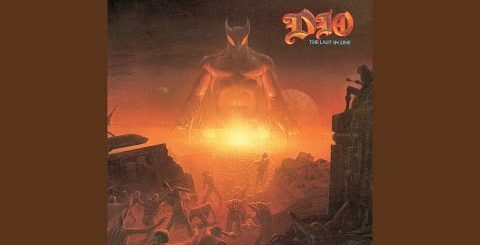
In a sphere where music is often a mirror to the soul, ‘Shame on the Night’ by Dio stands as a cryptic canvas, shrouded in the mythic cloak of Ronnie James Dio’s lyrical prowess. First released in 1983 on the iconic ‘Holy Diver’ album, this track is a somber journey through the corners of the mind that are often left unexplored.
While the pomp and power chords of Dio’s overarching discography eclipse this shadowy confession, ‘Shame on the Night’ whispers a tale woven with introspection and an undercurrent of the supernatural. The night, a frequenter of allegories, becomes a character in its own right—a scapegoat for the vicissitudes and the psychic disturbances of the human condition.
A Nocturnal Confession: Dio’s Labyrinth of Psyche
Dio’s invocation of the night transforms the quotidian stretch of darkness into a poetic vessel for personal revelation. ‘Shame on the night for places I’ve been and what I’ve seen’ is less a condemnation than a heartfelt lament teasing the listener with half-told tales of exploits and sights left only to the imagination.
This confessional tone offers an intimate perspective on Dio’s internal battleground. Each verse melds with the heavy-laden rhythms, creating a reverberating echo chamber for Dio’s solemn voice. It’s a tapestry where each strand is a thread of his own experiences, pulled taut by regret and retrospection.
Fantasy and Reality: The Dichotomy of Dreamscapes
In ‘Shame on the Night,’ dreams are both a blessing and a curse, ‘giving me the strangest dreams…but you never really know just what they mean.’ The surreal quality of Dio’s words beckons the listener into otherworldly realms, positing the idea that the truth within dreams is as elusive as the night itself.
The dichotomy here is palpable; tumultuous dreamscapes that both reveal and conceal, taunting with the promise of meaning that slips like sand through the fingers of the mind. It becomes a haunting dance between reality’s starkness and the veiled mysteries of the subconscious.
Defiant in the face of Cosmic Indifference: A Struggle for Meaning
‘You don’t care what you’ve done’ is not only an accusation flung at the face of the night but a breathtaking anthropomorphism that reflects a Sisyphean endeavor to seek relevance in the grand, uncaring cosmos.
The firm admonishment, ‘so I think I’d better run,’ implies a cautious acceptance of forces greater than oneself, an understanding that there may never be a victory against the indifferent night. Still, there is a stubborn glimmer of resistance to be found in the act of running—a refusal to submit fully to the night’s embrace.
Rock’s Illuminated Path: The Sun’s Betrayal
Diverging momentarily from the night, ‘Shame on the sun for the light you sold’ brings forth a duality of light and darkness. To shame the sun is to blame enlightenment itself, to feel betrayed by the clarity and certainty it is supposed to represent.
It speaks to a disillusionment, an erosion of faith in revelation and a sense of betrayal as one loses grip ‘on the magic flame.’ This betrayal uncovers an essential truth—the light can obscure as much as it can reveal, and Dio’s navigation of this revelation becomes a poignant meditation on disillusionment.
Unmasking the Entrancing Melody: A Musical Catharsis
‘Shame on the Night’ doesn’t merely reside in the realm of potent lyrics—it’s a symphonic escape that ensnares the senses. The tapestry of sound is just as responsible for carrying the emotional weight, with commanding guitar work and penetrating bass lines.
Dio’s signature vocal prowess, combined with the haunting instrumental backdrop, creates an operatic landscape that’s reflective of the lyrical journey. It is a catharsis made audible, the convergence where unsuspecting listeners find themselves immersed, navigating the depths of one’s own contemplative night.