Can You See Me by Jimi Hendrix Lyrics Meaning – Peering into the Psychedelic Soul of the ’60s
Lyrics
Woo yeah
Can you see me baby
Baby, please don’t leave, alright
Yeah if you can see me doing that
You can see in the future of a thousand years
Can you hear me?
Cryin’ all over town
Yeah, babe
Can you hear me baby?
Crying ’cause you put me down
What’s with ya
If you can hear me doing that
You can hear a freight train coming from a thousand miles
Ah yeah
Can you hear me?
Singing this song to you
Ah, you better hold up your ears
Can you hear me baby?
Singing this song to you
Ah shucks
If you can hear me sing
You better come home like you supposed to do
Can you see me?
Hey, hey
I don’t believe you can see me
Woo yeah
Can you hear me baby?
I don’t believe you can
You can’t see me
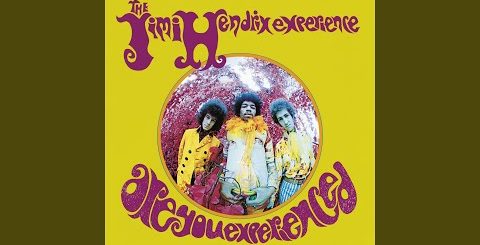
At first glance, Jimi Hendrix’s ‘Can You See Me’ from his 1967 debut album ‘Are You Experienced?’ might echo the sentiments of an urgent, perhaps downtrodden lover seeking visibility and acknowledgment. The rambunctious track, laden with Hendrix’s signature fuzz-drenched guitar work, is often overshadowed by his more emblematic works. However, a deeper look unveils a rich tapestry of emotional outcry and societal critique that cuts through the epoch of the ’60s.
The song may be succinct, but in its brevity lies a complex exploration of existence and perception in a world brimming with upheaval. How does an individual find grounding in the maelstrom of cultural change? To what degree are our pleas for recognition valid or heard? Dissecting the concealed layers of ‘Can You See Me’ reveals Hendrix as more than a virtuoso guitarist; he’s a poet and prophet speaking to the animate soul of an era.
A Cry for Emotional Visibility in a Guitar-Fueled Blitz
At the core of ‘Can You See Me’ is a plea for emotional clarity and understanding. Hendrix’s repeated entreaties—’Can you hear me?’ and ‘Can you see me?’—are a siren’s wail in the foggy night of romantic perdition. The literal interpretation points to a love gone awry, a quintessential blues theme where the protagonist’s lament echoes the universal struggle to be truly seen and heard by one’s object of affection.
Yet with Hendrix, it’s never just about ‘love’ in the conventional sense. The fervency of his appeal transcends personal intimacy, becoming a metaphor for the marginalized voices of his time. The raw edge in Hendrix’s vocals marries the message with the music; it’s a stratocaster’s scream against the wind of ignorance and indifference.
Sonic Forecast: A Thousand-Year Vision Through Music
‘You can see in the future of a thousand years,’ Hendrix declares, associating vision with prophecy, insight with revolution. This line, nestled within a song about apparent personal insignificance, unfolds a canvas much grander. Hendrix suggests that the very act of observation, of truly seeing, has a timeless quality, capable of peering into the future and understanding the trajectory of humanity itself.
In an age where Hendrix and his peers were challenging norms and pushing the boundaries of society and sound, these weren’t just lofty poetic musings; they were the clarion calls of change, sung by those who dared to imagine a radically different world.
The Unmistakable Cry: Loneliness in the Groove of Psychedelia
While the frenetic tempo and wailing guitar solos suggest a certain Brazen quality, there’s an undeniable undertow of loneliness in ‘Can You See Me.’ The image of Hendrix crying ‘all over town’ brings forth the isolation felt in the midst of a crowd—a sentiment that resonates deeply with listeners then and now.
Moreover, the line ‘Crying ’cause you put me down’ isn’t merely an expression of personal heartbreak; it’s a snapshot of the societal dismissal faced by many in the counter-culture movement of the 1960s. The pushback against the mainstream isn’t simply a matter of musical taste; it’s a fight for identity and respect.
Decoding The Hidden Meaning: A Clarion Call for Recognition
Peeling back the layers, one finds ‘Can You See Me’ is not solely about a personal appeal for recognition, but rather a broader call to society. The song’s hidden meaning lies within the cultural fabric of the era—one marked by civil rights struggles, the anti-war movement, and an intense desire for transformation.
Hendrix serves as both a representative and an amplifier for these collective voices. The repetition of existential questions forces the listener to confront their own willingness (or lack thereof) to acknowledge and act upon the turbulent issues of their time. There’s an urgency, a demand that those who are looked over not be ignored.
Memorable Lines That Echo the Call of the Maverick
‘Can you hear me baby? Singing this song to you / Ah you better hold up your ears.’ These are not only audible words of a forlorn lover but also the lyrics of a rebellion, sung by a maverick to the masses. Hendrix invites his listeners to ‘hold up [their] ears,’ which is, in essence, to open their minds and embrace the changes he embodies.
Each guitar riff, each vocal tremor, serves as a microcosm of Hendrix’s world—one where introspection and activism blend into the medium of song. These memorable lines continue to resonate as they encapsulate the cry for change and the power of art to convey revolution. Every chord strummed by Hendrix is an insistent tap on the conscience of a world that too often relishes in not seeing, not listening.