Wash The Day by TV on the Radio Lyrics Meaning – Decoding the Subtext of Urban Melancholy
Lyrics
High above in limbless tree
Ring out into the atmosphere
Creating beauty inadvertently
It was a technological feat
This little bird
Wading through the market’s waste
We locked eyes felt our lonliness abate
True desire showed its face, but only momentarily
Grey cascades in foreign waves
Wash the day away
I bought you from the dying woods of Brazil
This little bird
While the kids burned down the greenhouse pushed the
Charred frame into the landfill
Put his beak to the world
We bought new bodies we bought diamond encrusted guns
So who the hell are you?
Making out so high in the backseat of a car-bomb under carcinogenic sun
Grey cascades in foreign waves
Wash the day away
Grey cascades in foreign waves
We did believe in magic we did believe
We let our souls act as canaries
Our hearts gilded cages be
Watched a million dimming lanterns float out to sea
Lay your malady at the mouth of the death machine
Aeroplane odabo
Ba mi ki won lo Odabo
Eko meji, o yo mi
O yo mi
O yo mi
Grey cascades in foreign waves
Wash the day away
Grey cascades in foreign waves
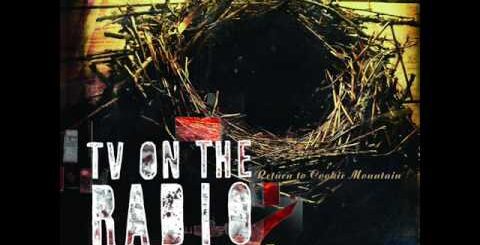
Within the hauntingly poignant track ‘Wash The Day’ by TV on the Radio, lies a labyrinth of lyrical subtleties waiting to be unraveled. The song, a deep cut from their acclaimed 2006 album ‘Return to Cookie Mountain’, mirrors the complexities of an increasingly disconnected and technological society through its cryptic poetry and atmospheric soundscapes.
Beyond the immediate appeal of its experimental instrumentation, ‘Wash The Day’ presents an allegory on the eroding human condition amidst global crises and personal dissonance. Unpacking the layers of this masterfully crafted song involves peering into a dystopian world, where escapism and the quest for meaning collide under an overcast sky.
The Flightless Metal Birds: A Metaphor for Industrial Progress?
The opening verse of ‘Wash The Day’ introduces ‘little flightless metal birds’ atop ‘limbless trees’. This evocative imagery immediately sets the tone for an exploration of the paradoxical nature of human advancement. On one hand, these ‘metal birds’ might symbolize the marvel of technology soaring high, detached from the natural elements that once defined our landscape. They paint a picture of beauty birthed unwittingly through mechanization.
This ‘technological feat’, however, doesn’t escape its subtle critique—it is, after all, a celebration of progress without purpose, flight without the ability to soar. As the metaphor unfolds, it hints at a wider commentary on the environmental toll and existential void that urban industrialization has left in its wake.
Amidst Market’s Waste: A Love Story or Satire?
As we plunge into the narrative, the protagonist shares a fleeting connection ‘wading through the market’s waste’. This line paints a vivid picture of consumerism’s rubble—both literal and metaphorical. In the midst of this excess, there’s a glimmer of true desire, quickly eclipsed by the grey waves of reality, suggesting the ephemeral nature of our material and emotional engagements.
The market is not just a physical space; it’s representative of the world where everything is commodified, including emotions and relationships. Through this bittersweet moment, the song critiques the superficiality with which modern society treats what it means to truly connect, reduced to just another transaction in a world oversaturated with disposability.
Haunting Memorial: The Death of Our Natural World
At the chorus, the ‘Grey cascades’ serve as a drowning flood, a dystopian reset washing the day’s sins away. This motif could symbolize anything from an ecological disaster to the numbing routine of life that blurs one day into the next. It encapsulates the ceaseless effort to cleanse the turmoil and existential dread that accumulates with each passing moment.
The depiction of kids burning down the greenhouse only to dump it into landfill is a poignant commentary on our reckless disregard for the planet. It criticizes the cycle of creation and destruction that humanity perpetuates, alluding to the staggering environmental cost of consumer culture and the pursuit of materialism at the expense of nature.
Canaries in the Gilded Cage: The Song’s Hidden Meaning
The song later draws upon the metaphor of the canary in the coal mine with ‘We did believe in magic, we did believe / We let our souls act as canaries.’ This line evokes a sense of sacrifice, of humans willingly subjecting themselves to the potential dangers of their environment, seeking something greater amidst the toxic fumes of their own making.
In juxtaposing the soulful pursuit of magic with the fatalistic role of the canary, TV on the Radio seems to question our cultural and spiritual stagnation. We may live in ‘gilded cages’ of our own design, enjoying the illusion of security and opulence even as we sense the danger looming in our peripheral vision. It’s a sobering contemplation on whether the marvels we seek are worth the metaphorical air we’re polluting.
The Car-Bomb Sonnet: Dissecting Memorable Lines
Amongst the most striking lines of ‘Wash The Day’ is the mention of lovers ‘Making out so high in the backseat of a car-bomb’. Here, love is juxtaposed with a symbol of violence and extremism. It’s as if the song is underscoring how personal moments of affection and connection exist within a world fraught with terror and destruction.
Furthermore, the ‘carcinogenic sun’ alludes to a sky tainted by pollution and the perils that come with it—perhaps even the creeping specter of climate change. These lyrics act as a micro-cosmic reflection of a society sitting on the precipice, where even our moments of closest intimacy are shadowed by the inevitability of collapse and the looming questions about the world we’ve shaped and its grim future.