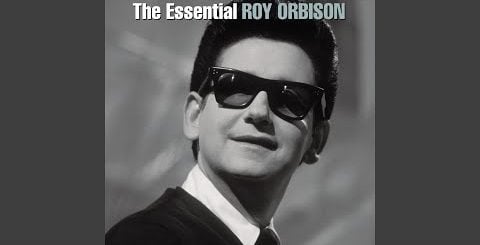
Pretty Woman by Roy Orbison Lyrics Meaning – Unraveling the Iconic Tune’s Allure and Timeless Appeal
Lyrics
Performer:Roy Orbison / The Candy Men
Composer :Roy Orbison / William Dees
Lyricist :Roy Orbison / William Dees
Pretty woman walking down the street
Pretty woman the kind I like to meet
Pretty woman
I don’t believe you you’re not the truth
No one could look as good as you
Mercy
Pretty woman won’t you pardon me
Pretty woman I couldn’t help but see
Pretty woman
And you look lovely as can be
Are you lonely just like me
Wow
Pretty woman stop a while
Pretty woman talk a while
Pretty woman give your smile to me
Pretty woman yeah yeah yeah
Pretty woman look my way
Pretty woman say you’ll stay with me
Cause I need you
I’ll treat you right
Come with me baby
Be mine tonight
Pretty woman don’t walk on by
Pretty woman don’t make me cry
Pretty woman don’t walk away hey okay
If that’s the way it must be okay
I guess I’ll go on home it’s late
There’ll be tomorrow night but wait
What do I see
Is she walking back to me
Yeah she’s walking back to me
Oh oh pretty woman
A timeless classic that still captivates listeners across generations, ‘Pretty Woman’ by Roy Orbison remains a cornerstone in the pantheon of golden-era rock and roll. Released in 1964, this track achieved more than commercial success; it became a cultural touchstone, reflecting the idyllic romantic pursuits of the epoch.
But beneath its catchy hook and Orbison’s soulful delivery lies a deeper narrative of longing and hope. In this exploration, we will delve into the layers of meaning that transform ‘Pretty Woman’ from a simple serenade to a complex tableau of human emotion.
A Serenading Ode to Unattainable Beauty
At first blush, ‘Pretty Woman’ appears to be an ode to physical beauty, with Orbison’s evocative voice painting the picture of an alluring woman walking down the street. The lyrics ostensibly capture the common trope of unattainable beauty, depicting a moment where admiration borders on reverie.
Yet, there’s an undercurrent of disbelief in the opening lines—’I don’t believe you, you’re not the truth’—suggesting Orbison’s recognition of the rarity of such an ideal, almost as if he’s questioning the very possibility of her existence. This emotionally charged disbelief adds a layer of depth to this seemingly simple encounter.
The Universal Search for Connection
‘Are you lonely just like me?’ This vulnerable admission by Orbison exposes the fundamental human yearning for connection underlying the song’s narrative. The pretty woman becomes a symbol for the deep-seated desire to find kinship and understanding.
These questions move the song beyond mere physical attraction, inviting listeners to glimpse the isolated heart behind the voice, seeking empathy amidst the bustle of life. It’s a poignant reminder of the solitude that can haunt even the liveliest of city streets.
A Waltz with Consent and Respect
In an era when gender dynamics were seldom scrutinized through the lyrics of popular hit songs, ‘Pretty Woman’ introduces a dialogue around consent. Orbison softly petitions the woman’s attention—’Pretty woman, stop awhile’—and extends an invitation without presumption or entitlement.
This deferential approach stands out, offering a paradigm of respectful interaction in stark contrast to the more aggressive overtones that often characterized the ‘rock n’ roll’ pursuit of romance. Orbison’s approach may be seen as ahead of its time in this regard.
The Song’s Cryptic Core Unveiled
The emotional core of ‘Pretty Woman’ crystallizes in the realization that Orbison’s pleas for companionship are wrapped in uncertainty. The bridge captures the song’s turning point, underlining the fragility of hope as the pretty woman walks away, leaving the singer to face potentially another night alone.
Orbison’s ability to depict the swings between hope and despair, connection and isolation, reveals the song’s hidden layer: the notion that our deepest desires are often held at the mercy of others’ choices, and the transformative power that comes with the possibility of reciprocation.
The Legacy of a Line: ‘Mercy’
Perhaps one of the most memorable lines of ‘Pretty Woman’ is the simple exclamation ‘Mercy’. In just one word, Orbison conveys an overwhelming sense of awe, desire, and the sheer force of the emotions provoked by the encounter.
The line echoes as a visceral reaction, etching the song in the memory of those who hear it. Like few other lyrics, it encapsulates a powerful connection between musician and listener, as if Orbison himself knew the brevity of the word allowed enough room for each person’s imagination to fill in their unique interpretation.