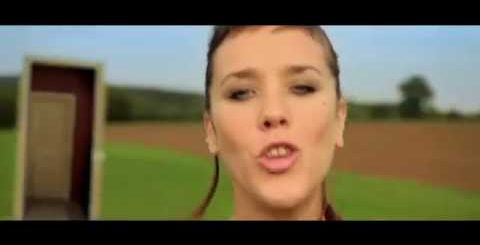
Port coton by Zaz Lyrics Meaning – Unraveling the Poetic Depths of Heartache and Redemption
Lyrics
Je ne sais pas ce que ça remplace
Et derrière nous
C’est encore à l’ombre
Faut-il encore qu’on raconte
Que quelque chose nous revienne?
Faut-il qu’on soit seul sur terre
Ici aussi?
Boire pour la soif
Je ne sais pas ce qui de nous deux restera
Tu dis mais je ne regarde pas
Je n’ai jamais vu la mer
Mais j’en ai vu des noyés
Comment fais-tu pour oublier
Pour oublier?
Et la pluie qui revient
Dans nos voix
Pas une chanson où je ne pense à toi
Dans ce monde inhabitable
Il vaut mieux danser sur les tables
À port coton qu’on se revoit
Qu’on se revoit
Et quoi que je fasse
Je ne sais pas ce que ça remplace
Et derrière nous
C’est encore à l’ombre
Aller auprès du phare
Et la vie est sans phare
À port coton qu’on se revoit
Dans ce monde inhabitable
Il vaut mieux danser sur les tables
À port coton qu’on se revoit
Qu’on se revoit
Zaz, the French chanteuse known for her distinctive raspy voice and vivacious energy, delivers another hit with ‘Port coton.’ This song, an enigmatic and somber groove, invites us to sift through its lyrics for a deeper comprehension of its melancholic poetry. At first glance, the track speaks to the universal experiences of lost love and the relentless passage of time, but beneath the surface, ‘Port coton’ is a rich tapestry, interwoven with themes of existential pondering and finding solace in the incessant ebb and flow of life’s tumultuous waters.
Peeling back the layers of ‘Port coton,’ we find that there’s much more than meets the eye—or rather, the ear. Zaz’s powerful narrative isn’t just about the struggle to overcome, but it’s also a call to embrace life in all its complexity. Whether you’re a devotee of her music or a first-time listener, these intricate lyrics can resonate with anyone who’s ever sought to find meaning amongst life’s trials and tribulations. Let’s dive in and unravel the poignant message that Zaz has masterfully crafted.
The Eternal Dance of Memory and Forgetfulness
Zaz’s opening verse, ‘Quoi que tu fasses / Je ne sais pas ce que ça remplace,’ speaks directly to the heart’s relentless search for understanding. The past often casts a shadow over the present, and Zaz alludes to this with a confession of feeling at a loss to identify what truly matters or what the actions of the present are compensating for. This touches on the human experience of attempting to move forward while being haunted by memories, struggling to discern the weight of each step taken.
The artist’s acknowledgment of the past’s looming presence suggests a grappling with forgiveness or the unbearable persistence of memory. The juxtaposition of such intimate introspection against the backdrop of an uncaring universe amplifies the poignancy of these words. We are left to ponder our own relationship with recollection and oblivion, prompting us to consider how we may forgive, forget, or instead choose to carry our histories with us.
A Hidden Meaning Within the Waves
‘Je n’ai jamais vu la mer / Mais j’en ai vu des noyés,’ sings Zaz, adding layers of rich metaphorical imagery. The sea, a common symbol for the unknown and the subconscious, plays a significant role in ‘Port coton.’ Zaz claims to have never seen these waters, yet she’s witnessed many drowned by it—suggesting an intimate knowledge of sorrow without ever indulging in its depths.
This dichotomy between personal experience and secondhand trauma offers a clue into the song’s hidden meaning. Zaz channels the universal feelings of observing pain without fully engaging with it, speaking to a self-protective instinct that keeps one at arm’s length from fully drowning in misery. It is both a confession of limitation and an admission of emotional survival.
An Anthem for the Dispossessed
With its haunting chorus, ‘Dans ce monde inhabitable / Il vaut mieux danser sur les tables,’ Zaz captures a spirit of defiance against a world that often feels uninhabitable. Here, ‘Port coton’ takes on the mantle of an anthem for the dispossessed, those who find themselves adrift in circumstance and seeking reprieve in moments of joy and abandon.
The imagery of dancing on tables, a symbol of carefree rebellion, presents a jarring contrast to the seeming desolation of being alone in the world. It is a call to both recognize the harshness of our realities and to actively reclaim spaces of happiness, if only as an act of rebellion.
The Faint Light of Hope in ‘Port coton’
‘Aller auprès du phare / Et la vie est sans phare,’ Zaz contrasts the concept of a lighthouse—a beacon in the darkness—with the notion of life lacking such guidance. The repetition of ‘phare’ (lighthouse) underscores the yearning for direction and the stark reality of its absence.
Yet, within the song’s melancholic landscape, Zaz’s insistence on the ‘phare’ reveals an embedded sliver of hope. Even as we accept the darknesses and uncertainties before us, we remain ever-watchful for that guiding light, a testament to the resilience of the human spirit.
Memorable Lines That Echo in the Soul
‘Pas une chanson où je ne pense à toi’—Zaz delivers this line with a stirring frankness that reverberates long after the music has stopped. Throughout ‘Port coton,’ there are strands of personal narrative that anyone who has ever been haunted by a lingering presence will find irresistible.
This line, which laments the inescapable thought of a loved one, mirrors the cyclical nature of love and loss that thematically underpins the song. It captures the essence of ‘Port coton,’ a haunting and unforgettable melody that compels us to confront the shadows of our past and dance bravely into the night, seeking closure and crying out for connection.