SONG MEANINGS (AND FACTS) Since 2017, The Song Meanings and Facts Team have told the stories behind the songs you love. Stay with us on our endless journey to the heart of music understanding and knowledge.
In the tangled web of indie beats and lyrical confessionals, LoveJoy’s ‘Consequences’ emerges as a poignant dissection of aftermath and remorse. The British four-piece band, known for their hook-laden tracks and candid storytelling, maps out the emotional longitudinals of a troubled conscious with deft precision in this melodic mea culpa.
Kat Dahlia’s ‘I Think I’m In Love’ isn’t just a song; it’s a confessional, a raw and lyrical expedition into the heart of accidental affection. The track dances on the delicate line between denial and acceptance of burgeoning love, a universal theme that resonates with anyone who’s ever been caught off guard by their own feelings.
Bob Dylan, a name synonymous with poetic rebellion and lyrical depth, has never shied away from peeling back the layers of society’s façade. ‘It’s Alright, Ma (I’m Only Bleeding)’ stands as a towering testament to his prowess as a wordsmith and a social commentator. Released in 1965’s ‘Bringing It All Back Home,’ the song maneuvers through the landscape of societal malaise with surgical precision.
Trippie Redd’s ‘Weeeeee’ is not just a song; it’s an exhilarating ride through the psyche of a generation yearning for liberation. Even at a cursory glance, the 2020 hit seems to revel in the essence of youth culture’s insatiable desire for living in the moment. But beyond the seemingly carefree exaltation lies a deeply textured exploration of autonomy, excess, and the pursuit of pleasure.
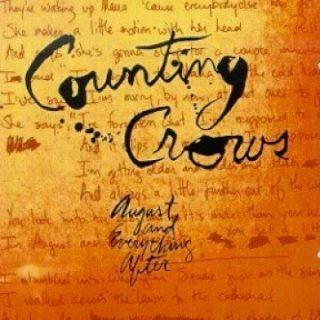
In the canopy of alternative rock’s storied history, few songs capture the essence of existential disquiet like Counting Crows’ ‘Perfect Blue Buildings.’ The track, a poignant piece from their debut album ‘August and Everything After,’ is a contemplative dive into the mind of someone grappling with the inertia of their existence.
In the pantheon of gothic rock, The Sisters of Mercy hold a sacred place with their brooding melodies and darkly poetic lyrics. ‘Walk Away,’ a standout track from their early discography, encapsulates the essence of their somber allure. Frontman Andrew Eldritch’s deep vocal timbre weaves through the song, painting a landscape of emotional turmoil, lovers at crossroads, and the inexorable struggle with change.
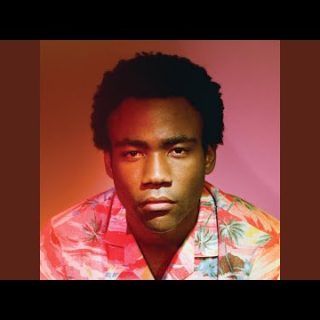
Childish Gambino, a moniker donned by the multitalented Donald Glover, has a penchant for weaving intricate stories and a social critique with his distinctive lyrical prowess. ‘I.Crawl,’ a track from his sophomore album ‘Because the Internet,’ is no exception. This piece sings with the polyphonic voices of Gambino’s art—combining rhythm with introspective and provocative lyricism.
Brent Faiyaz, known for his sultry blend of contemporary R&B with candid lyricism, once again captures the zeitgeist of a generation navigating through love, loss, and self-discovery. ‘Burn One (Interlude),’ a track brief in duration yet dense with emotion, serves as a poignant ode to the bittersweet dynamics of change and the cost of growth.
Neon Indian’s ‘Laughing Gas’ crackles through the speakers with a sound that’s as intoxicating as the title suggests. This enigmatic track from the band’s discography paints an aural landscape drenched in synth-soaked reveries and Alan Palomo’s signature vocal delivery. At first listen, ‘Laughing Gas’ seems to envelop you in a hazy, dream-like stupor—much like the effects of its namesake. But peer a little closer, and it becomes evident that beneath the swirling melodics lies a profound exploration of connection, introspection, and consciousness.
Arctic Monkeys have long been known for their ability to weave complex stories and intriguing metaphors through their lyrics, embarking listeners on a narrative journey that stretches far beyond the realm of ordinary songwriting. The track ‘Matador’ is no exception to this tradition, brandishing a tale as sharp as the matador’s sword, enveloping themes of love, regret, and the high stakes of emotional risks.