SONG MEANINGS (AND FACTS) Since 2017, The Song Meanings and Facts Team have told the stories behind the songs you love. Stay with us on our endless journey to the heart of music understanding and knowledge.
In the realm of modern hip-hop, few artists blend brazen energy with acerbic social commentary quite like Ski Mask the Slump God. His track ‘COOLEST MONKEY IN THE JUNGLE’ is more than just an aggressive tirade or a display of lyrical dexterity; it’s a multifaceted dialogue on race, identity, and power wrapped in a boisterous anthem.
Morcheeba’s ‘Enjoy the Ride’ is more than just a mellifluous tune—it’s a serene summons to mindfulness in an often chaotic world. With its lush, ambient soundscapes and Skye Edwards’ soothing vocal delivery, the track is a veritable audio balm for the soul, challenging listeners to consider the paths they tread and the choices they make.
With a pulsating beat and lyrics that ricochet between consciousness and a state of blissful inebriation, SOFI TUKKER’s ‘Drinkee’ catapulted into the realm of international hits, crossing language barriers with its Portuguese verses and captivating rhythm. A song that initially seems as straightforward as a call to party reveals layers of consciousness, self-reflection, and traditional Brazilian poetry.
In the grand tapestry of The Cure’s discography, certain tracks vibrate with an urgency that’s hard to ignore. ‘Just Say Yes’ is one such song—an anthem of immediacy that dissects the complexities of decision-making and the beauty of unguarded spontaneity. By transposing us into the immediacy of the present moment, The Cure deftly peels back the layers of our hesitation.
In a generation where the blend of emo-rap and introspective lyricism takes center stage, Lil Peep’s ‘Beat It’ stands out as a raw and poignant testament to the discomforting feelings of unreciprocated affection and the struggles of internal turmoil. The song, a spectral mix of haunting melodies and gritty beats, encapsulates the essence of the young rapper’s soul-searching narratives, as it delves into themes of rejection, self-awareness, and existential defiance.
As the gentle strum of a guitar introduces ‘Diamond Day’, a sense of pastoral tranquility immediately embraces the listener. Vashti Bunyan, with her delicate voice, offers up a tableau so serene and simple that one cannot help but feel transported to a place where the rustling of grass and the far-off sound of children’s laughter are enough to fill the heart.
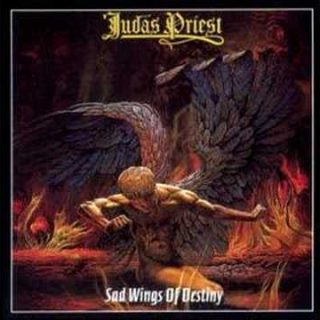
Judas Priest’s ‘Victim of Changes’ stands as a monolithic figure in the annals of heavy metal history. A sprawling epic from their 1976 album ‘Sad Wings of Destiny’, the song captures a band in the throes of transformation, harnessing the wailing vocals of Rob Halford atop twin guitar mountains crafted by K.K. Downing and Glenn Tipton. But what makes ‘Victim of Changes’ more than just a riveting piece of music is the depth of its lyrics.
Kiana Ledé’s ‘Wicked Games’ is more than a melodic confession of turbulent love; it’s a raw blueprint of emotional manipulation and the battle for self-preservation amidst romantic chaos. With a voice that cradles the pain of her poignant lyrics, Ledé dives headfirst into the masochistic nature of a love affair that is as intoxicating as it is devastating.
Baby Smoove’s ‘Overtime’ isn’t just another track rattling off the opulence and woes of the street life—it’s a sonic diary entry chronicling the relentless grind of a rapper who lives on his own terms. The song operates as a double entendre, merging the grueling work ethic required to stay afloat in the game with the darker, more visceral aspect of street politics.
The sonic landscapes of J Dilla have long been heralded as the canvases on which modern hip-hop has sketched its most daring outlines. In ‘Stepson of the Clapper’, a track that commands attention not through verbose lyricism but through its masterful production, we find a tighter weave in the rich tapestry of Dilla’s influential work.