SONG MEANINGS (AND FACTS) Since 2017, The Song Meanings and Facts Team have told the stories behind the songs you love. Stay with us on our endless journey to the heart of music understanding and knowledge.
In the lush soundscape of contemporary music, Lana Del Rey stands as an auteur, painting complex emotional states with a brush dipped in the hues of nostalgia, loss, and love. Her song ‘Living Legend,’ a rare gem in her discography, weaves together a tapestry of personal homage and cryptic story-telling that reveals much beneath its deceptively soft surface.
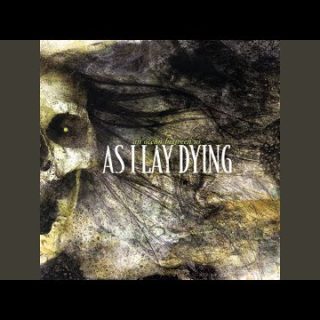
A visceral outpouring of existential questioning, ‘Wrath Upon Ourselves’ by As I Lay Dying oscillates between despair and a desperate search for redemption. With a melody that cuts as deep as the words it conveys, the song is more than just a blend of aggressive riffs and guttural vocals; it is a philosophical musing on humanity’s self-destructive nature and the quest to find beauty amidst decay.
Aaron May’s ‘In Love’ isn’t just another track boasting superficial romantic platitudes; it’s a soul-baring manifesto of love’s lingering aftermath. Through a seamless blend of retrospection and raw emotion, May delves into a universal yet deeply personal struggle, unfolding the intricate layers of clinging to bygone affection in the face of moving forward.
Paula Cole’s anthem ‘I Don’t Want to Wait’ reverberates through the corridors of time with a potency that stirs the soul. This ballad, etched into the collective consciousness in the late 90s, still rings with a clarity and urgency that transcends its era. While many may recall the tune as the theme song to the teenage drama ‘Dawson’s Creek,’ its layers and emotional depth offer a narrative far richer than the confines of a TV series soundtrack.
At first glance, the melodic strain of Wrabel’s ‘The Village’ is deceivingly tranquil, a serene ballad that glides with a tender touch upon the ears. But beneath the placid surface lies a powerful social commentary, a storm of emotion and a plea for acceptance that resonates deeply within the caverns of contemporary culture. With each verse, the song’s narrative peels away the fragility of human acceptance in the face of rigid societal norms.
In a melodic sweep of nostalgia and whimsy, The Decemberists’ ‘Clementine’ isn’t just a song; it’s an exploration of human resilience, companionship, and the bittersweet tang of life’s impermanence. Like a painter dabbing their brush in hues of longing and laughter, the band crafts a vignette draped in the soft, gauzy fabric of memory and hope.
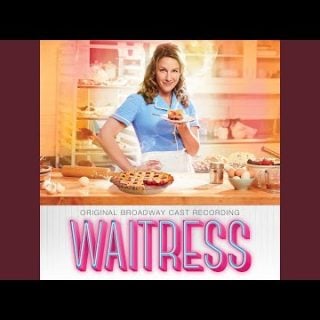
In a Broadway tune that’s as infectiously charming as it is slightly stalker-ish, Christopher Fitzgerald’s ‘Never Ever Getting Rid of Me’ captures a certain unyielding adoration that teeters between romantic and unnerving. The song, a modern musical number, gives us a peek into the psyche of a man whose idea of love borders on the eternal and inescapable, a sentiment wrapped in a light-hearted melody that both delights and disquiets.
In the realm of music, where lyrics often serve as the backbone to the emotions conveyed, there comes an anomalous masterpiece that defies the norm by eschewing comprehensible language altogether. ‘Adiemus’ by Adiemus, composed by Karl Jenkins, is such a phenomenon—encapsulating the essence of music as a universal language without uttering a single intelligible word.
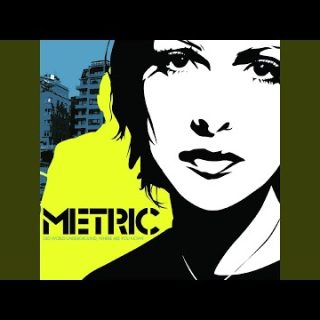
In the volatile soundscape where indie rock fuses with poignant lyricism, Metric’s ‘The List’ stands as a testament to hidden discontent within the glittering facade of societal success. The tune carries a sense of rebellion, set against the steady rhythm of a disenchanted youth.
In the realm of indie rock, few songs capture the complex tapestry of human emotion as intricately as Death Cab for Cutie’s ‘Your Bruise.’ At first glance, the track from their 1998 album ‘Something About Airplanes’ resonates with the signature melancholy that fans have come to adore. But beneath the surface of its haunting melody and Ben Gibbard’s melancholic lyrical delivery lies a labyrinth of meaning waiting to be deciphered.