SONG MEANINGS (AND FACTS) Since 2017, The Song Meanings and Facts Team have told the stories behind the songs you love. Stay with us on our endless journey to the heart of music understanding and knowledge.
A piercing blue sky, a breeze with the scent of perfection, and a heart teeming with emotions it can scarcely contain—the trifecta setting of IU’s ‘Good Day’ is a prime example of K-Pop’s depth and complexity. The song, a masterpiece narrated with the innocence of a first crush, vaulted to fame and held its place in the annals of Korean pop history. But beneath its catchy melody lies a tapestry rich with emotional hues that beckon a closer look.
AFI’s ‘The Boy Who Destroyed The World’ emerges not just as another track in the band’s impressive catalogue, but as a deeply stirring narrative ballad seeped in the essence of youthful disillusionment and the piercing sting of lost innocence. This song, wrapped in a raw punk veneer, tugs at the fabric of its listener’s emotional spectrum, asking them to dive deep into the collective memory of what it once meant to feel vibrantly alive.
In the mesmerizing realm of music, where timeless pieces often articulate the deepest human desires, Etta James’s ‘A Sunday Kind of Love’ stands as a profound odyssey into the yearning for an enduring and serene love. This classic ballad, draped in James’s velvety vocals, transcends mere melodic enjoyment and taps into the universal longing for a love that is as comforting and peaceful as a lazy Sunday afternoon.
Atop a soundscape of melodic synth-pop, Phoenix, the band known for crafting infectious tunes laced with deeper connotations, returns with ‘Chloroform’. The track is a beguiling mix of smooth vocals and vibrant beats that echo in the chambers of indie pop with a veiled heaviness.
Future, the enigmatic maestro of trap music, often stitches together narratives that pierce the veil of glamour in hip-hop to reveal a grittier truth about fame, power, and hedonism. In his song ‘Jersey,’ Future juxtaposes the intoxication of success with the raw hunger of his beginnings, crafting an anthem that’s as much a celebration as it is a cautionary tale.
Solomon Burke’s ‘Cry to Me’ remains a strenuous testament to the soul music genre’s power to provide solace in heartache. Its deep connection with emotional vulnerability not only cements Burke’s legendary status but also uncovers the layers of the human condition, wrapped in the gospel of soul.
With a cacophony of beats that bludgeon the senses and lyrics that purposefully lead you through a labyrinth of visceral emotion, Death Grips’ ‘Anne Bonny’ is a track that stands at the apex of experimental hip-hop. Much like their namesake, the infamous pirate Anne Bonny, the song embodies an ethos of anarchic dissonance and the jarring non-conformity that leaps out from their album ‘Government Plates’.
Dominique Dillon de Byington, known professionally as Dillon, has a penchant for creating music that operates on multiple layers of emotional and lyrical complexity. Her song ‘Thirteen Thirty-Five’ is a striking example of this talent, weaving intricate human emotions into a seemingly simple melody. To many, the lyrics at first glance reflect an ethereal quality, almost intangible in its meaning, making it a perfect tapestry for listeners’ interpretations.
In the world of rhythm and blues, certain songs transcend time with their melody and message, creating a legacy that endures decades beyond their release. Anita Baker’s ‘Sweet Love’ is one such gem that, since its release in 1986, has continued to captivate listeners with its heartfelt depiction of love’s abiding presence.
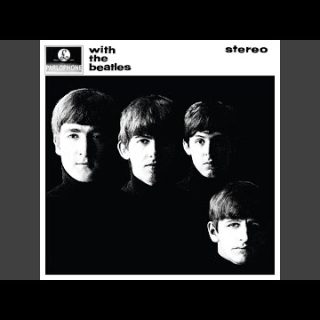
There’s something about the simple tunes of yesteryear that often carry profound emotions, encapsulated perfectly by The Beatles’ rendition of ‘Please Mister Postman.’ As the harmonies blend with the beat, it conjures up a vivid scene of anticipation: a young soul awaiting a tangible sign of connection in an era when messages were measured in days, not seconds.