SONG MEANINGS (AND FACTS) Since 2017, The Song Meanings and Facts Team have told the stories behind the songs you love. Stay with us on our endless journey to the heart of music understanding and knowledge.
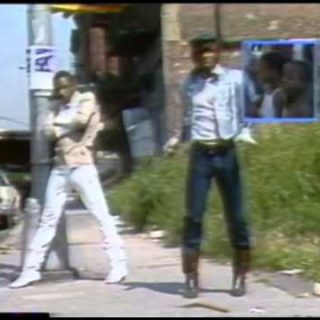
The year was 1982 when a seismic wave rippled through the soundscape of hip-hop, carrying with it a narrative so raw and piquant that it would go on to echo through the ages. ‘The Message’ by Grandmaster Flash & The Furious Five didn’t just serve music; it served a candid snapshot of urban life, woven with the threads of struggle, survival, and social consciousness.
King Krule is not your everyday artist. The British singer-songwriter, real name Archy Marshall, is known for painting abstract, visceral soundscapes with his words and music. ‘Lizard State,’ a track from his 2013 album ‘6 Feet Beneath the Moon,’ stands as a paragon of his unique ability to depict raw emotional states and psychological depths.
Behind the catchy beat and the melodic allure of Glaive’s ‘icarus’, lies a labyrinth of emotions and symbolic depth. This song illustrates the intricate dance between yearning and reality, idealism and disillusionment, pushing the listener to consider the dichotomy of human vulnerability against the pursuit of desires.
When Grandmaster Flash and The Furious Five released ‘The Message’ in 1982, they didn’t just drop a track; they unleashed a social commentary that would reverberate throughout the streets and eventually, the world. The song stands as a pioneering force in the canon of hip-hop, offering a stark portrayal of life in urban America, far from the glitz and glamour often showcased in the media.
In a pioneering thrust into conscious rap, Grandmaster Flash and The Furious Five’s ‘The Message’ isn’t just a catchy tune with a groove that stirs the listener into rhythmic allegiance. It’s a manifesto, a street-corner sermon, a snapshot capturing the grim reality of urban existence amidst the chaos of the early ’80s. It’s here that hip-hop transforms into a medium that mirrors the lives and struggles of many, moving beyond boasting and bravado into social commentary.
Emerging from the depths of the TikTok soundscape, pinkpantheress has struck a chord with a generation through her hypnotic beats and poignant lyrics. Her latest offering, “Do you miss me?” is a melancholic yet entrancing experience that taps into the woes of modern relationships and personal longing.
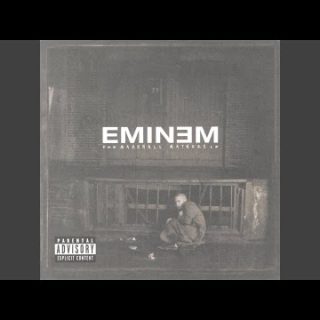
In the landscape of early 2000s hip-hop, a seismic tremor reverberated from the very core of the genre, shaking the foundation with its unapologetic rawness and anarchic beat. ‘Under the Influence’ is more than just another track in Eminem’s shock-rap repertoire; it’s a profound synecdoche for a peculiar zeitgeist, where brashness collided head-on with lyrical genius.
Jamie xx’s ‘Loud Places’ is more than just an auditory experience; it’s a deep dive into the intricacies of longing, love, and the aftermath of a connection that once seemed to elevate us to new heights. The song, nestled within the vibrant tapestry of Jamie xx’s 2015 album ‘In Colour,’ merges the quiet introspection of personal memories with the pulsating buzz of communal, noisy environments.
Sushi Soucy’s ‘I Deserve to Bleed’ is an aching symphony of self-inflicted pain and the elusive quest for acceptance within the mirror of our own minds. At first glance, the song’s visceral lyrics might seem like a cry from the abyss, yet upon closer inspection, they reveal layers of vulnerability, struggle with self-image, and the profound paradox of self-love and self-harm.
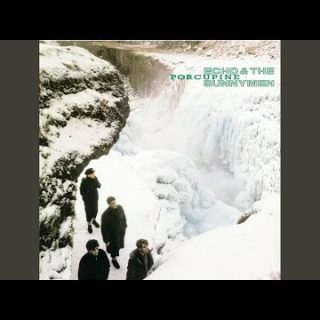
The song ‘The Cutter’ by Echo & the Bunnymen stands as an anthemic fixture within the post-punk landscape, embodying the genre’s characteristic cocktail of introspection, lyric obscurity, and a hint of existential angst. Released in 1983, the song quickly took its place as a hallmark of the era’s musical innovation.