SONG MEANINGS (AND FACTS) Since 2017, The Song Meanings and Facts Team have told the stories behind the songs you love. Stay with us on our endless journey to the heart of music understanding and knowledge.
Brett Dennen’s poignant tune ‘Ain’t No Reason’ strikes deep chords within the realm of sociopolitical critique and personal introspection. With its gentle acoustics accompanying earnest vocals, Dennen delivers a ballad that’s both a mirror to societal ills and a cry for an escape into love’s redeeming embrace.
The breath of melancholy that seeps through ‘Anna Júlia’ is as intoxicating as it is insightful. Los Hermanos, a Brazilian band known for their eclectic mix of rock, samba, and Brazilian folk, unleashed this blend of fervent lyrics and infectious melody upon the world, not only to the delight of their fans but also to the fascination of those attuned to the nuanced storytelling in music.
In a world where music transcends borders and language barriers, Gloria Groove’s ‘YoYo’ stands as a pulsating anthem of rhythm and liberation. At its core, the song is a celebration of the physicality and joy embedded in dance, yet it also seems to touch on much deeper layers of personal freedom and the unapologetic expression of self.
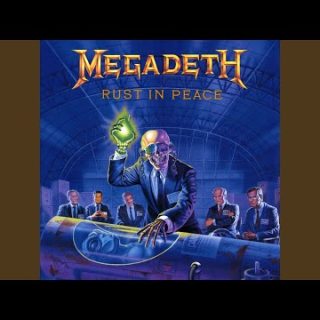
Megadeth’s ‘Take No Prisoners’ hits like a gut punch of metal, a roar of guitar and snarl of lyrics that demands attention. But beneath the visceral thrash and aggressive instrumentals lies a sharper edge, a commentary that extends beyond the sound. With this track from their 1990 album ‘Rust in Peace’, Megadeth doesn’t just play music; they arouse a conversation about war, politics, and the individual caught in between.
Amidst the raw landscapes of Britpop’s heyday, Suede carved a niche that was both glamorously seedy and relentlessly daring. The song ‘Animal Nitrate’, a staple of their self-titled debut album, emerges as a dark and glittering gem reflecting the societal disaffections and chemical escapism of the youth of the time. Its pulsating riffs and Brett Anderson’s sensuous sneer articulate a deep-seated discomfort that has both troubled and intrigued listeners since its release in 1993.
Amidst the pantheon of anthems that galvanize the spirit, The Struts’ ‘Could Have Been Me’ holds a torch to the tempest of seizing the day. The track is not merely a catchy confection of glam and rock influences; it’s a vibrant ode to the urgency of living fully. With its soaring melodies and foot-stomping rhythm, the song beckons listeners to ponder if they’re truly living or just existing.
Burial’s ‘Homeless’ is not just a song; it’s a profound exploration of the ache of urban life. This haunting track, with its spectral voice samples and skittering beats, transcends your usual club fare to bring us face to face with the sheer weight of loneliness in a crowd. To understand ‘Homeless’ is to understand the ghostly undercurrents of city life, the unheard cries for connection amidst the concrete and neon.
At the confluence of haunting melodies and stark, introspective prose lies Joy Division’s ‘Atrocity Exhibition,’ a track that transcends mere soundwaves to become an exploration into the macabre theater of human experience. The song, resonating with the essence of post-punk melancholy, serves as a grim museum showcasing the abnormalities of society and the internal struggle of the individual.
In the diverse landscape of contemporary music, Miike Snow’s ‘Burial’ emerges as a hauntingly introspective piece that warrants a profound analysis. The track, which delves into the psyche with surgical precision, is rich with metaphor and emotional complexity, begging the listener to peel back its layers.
Björk, the Icelandic enigma, has always had an unparalleled talent for cloaking the simplest of words in the most intricate of emotions. ‘You’ve Been Flirting Again,’ a track from her postmodern wonder ‘Post’, is a deceptively minimalistic composition that unravels itself like a blooming chrysalis to reveal the complexities of human relationships.